Best month to see the northern lights in Tromsø: an honest breakdown
The honest answer is that no single month is definitively best — but some are significantly better than others once you factor in more than just geomagnetic activity. Let me walk through the season month by month with the actual trade-offs.
| Season | Late August–mid-April |
| Best overall odds | January–March |
| Cheapest with real aurora chances | October, late March–April |
| Highest demand/price | December–early January |
| Minimum stay recommended | 4–5 nights for a reasonable statistical chance |
What actually determines aurora visibility
Before comparing months, you need to understand the two independent variables: geomagnetic activity (driven by the solar cycle) and cloud cover (driven by Arctic weather patterns).
Tromsø is above the auroral oval, meaning solar activity reaching KP 2–3 is enough to produce visible displays. The solar cycle peaked in late 2024 and is expected to remain elevated through 2026, which means geomagnetic conditions are excellent across the entire season. This makes cloud cover the dominant variable for your specific trip.
Tromsø receives significant Atlantic weather systems from the west. November and December are typically cloudier than January and February. March often has the clearest skies of the season. These patterns matter more, on most nights, than a KP forecast.
For the full aurora forecast methodology, see the dedicated guide.
September: aurora season opens, but compromises ahead
Aurora season technically starts in late August when Tromsø gets dark enough after midnight. September proper offers good activity, fewer tourists, and reasonable prices — but also shorter darkness windows (nautical darkness only from about 11 p.m. in early September).
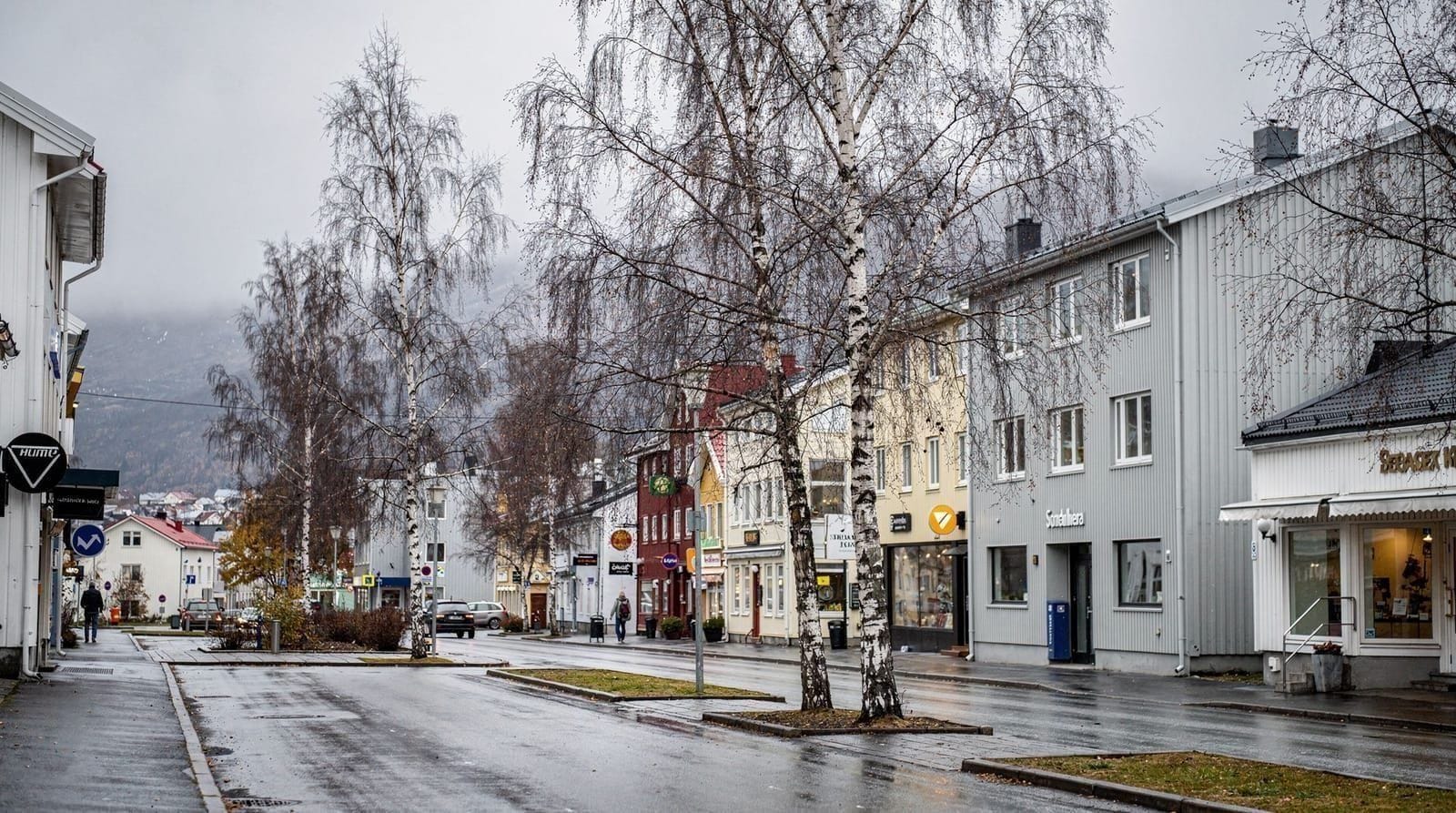
The bigger issue is that the mountains are not yet snow-covered, which removes one of the most dramatic visual elements of a Tromsø aurora experience. Temperatures are mild (2–8°C), which is more comfortable, but the landscape looks autumnal rather than Arctic.
Who should come in September: travellers who want Tromsø in September for a mix of activities, not purely aurora.
October: underrated, genuinely good odds
October is my personal recommendation for travellers flexible on dates. Early darkness arrives (by 8–9 p.m.), mountain snowline descends during the month, and Atlantic cloud systems are slightly less persistent than in November–December. Temperatures range from -2°C to 6°C.
The whale watching season also opens in late October at Skjervøy, which means you can combine two major Arctic experiences. Tour prices have not yet hit their December–January peak.
The downside: snowpack on the ground is patchy in early October, and some high-mountain roads that provide the best dark-sky viewpoints may still be muddy rather than properly snowbound.
November: popular but often overcast
November is when most first-time visitors arrive, drawn by the Advent association with polar nights and aurora. Polar night begins on 27 November, so late November offers continuous darkness — no sun at all, making aurora hunting around the clock theoretically possible.
The problem is cloud cover. November is statistically Tromsø’s cloudiest month of the aurora season, with Atlantic low-pressure systems arriving frequently. Expect 3–5 overcast days in every 10-day period. You can still have a spectacular trip — guided tours with “unlimited chase” options can find clear pockets — but you need the flexibility of multiple nights and a tour operator who will cross into Sweden or Finland if necessary.
Prices peak in December–February, so November offers a slight cost advantage over the core winter months.
December: the prestige month
December is Tromsø in December — its most iconic moment. Permanent polar night, Christmas markets in the city centre, and geomagnetic activity often enhanced by winter solar wind patterns. Demand is highest, prices are highest, and tour spots fill weeks in advance.
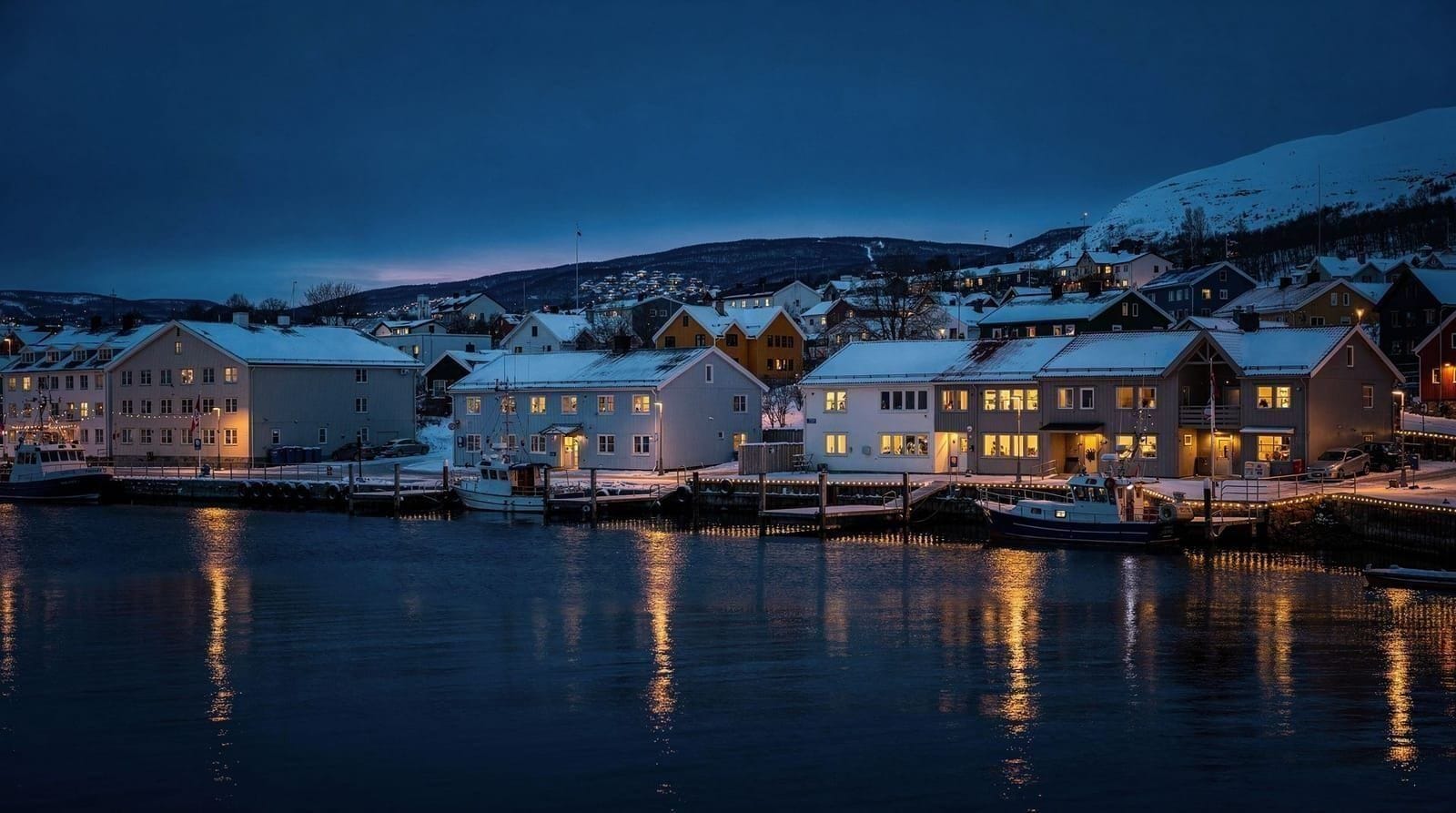
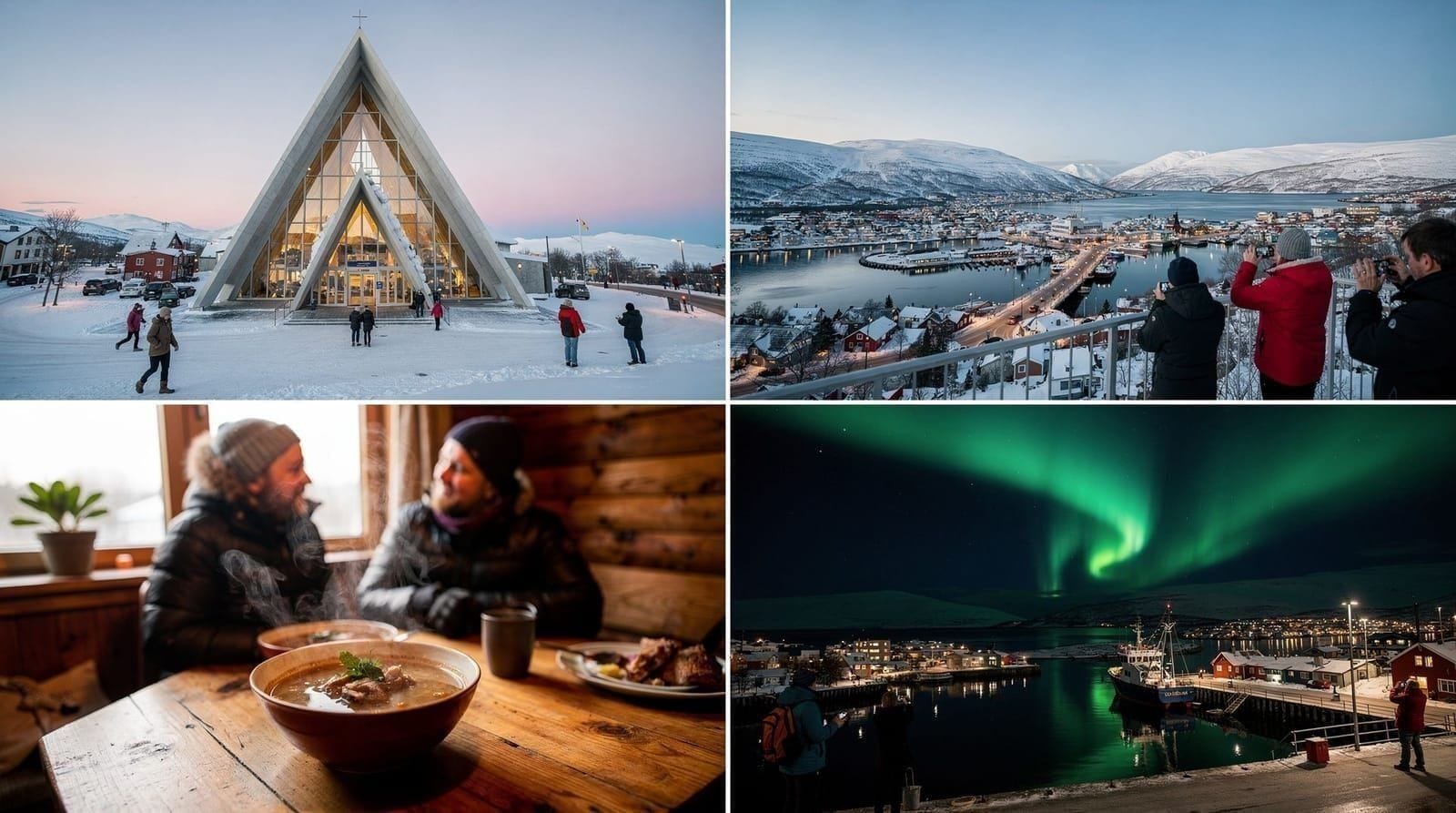
Cloud cover is still substantial in December, though typically slightly better than November. The visual drama of the polar night landscape — snow-covered mountains, frozen shorelines, the aurora reflected in glassy fjord water — is at its peak. If budget is not a constraint and you book well ahead, December is worth the premium.
Budget travellers and those wanting better odds: read on.
January: the dark horse month
Statistically, January has some of the best conditions for aurora viewing in the Tromsø region. Cloud cover tends to decrease compared to November–December as Arctic air masses stabilise. The polar night is in full effect (the sun does not rise until 15 January), so darkness is total around the clock.
Tromsø in January is also bitterly cold — temperatures regularly reach -15°C to -20°C in clear conditions, which are exactly the conditions you want. If you are not prepared for that cold, the experience suffers. The what to wear for northern lights guide is essential reading before a January trip.
From a budget perspective, prices are marginally lower than December but not dramatically so. January is my recommendation for serious aurora hunters willing to endure the cold.
February–March: clearest skies, returning light
February and early March are the sleeper months. Cloud cover reaches its seasonal low — meaning your odds of actually seeing a clear sky on any given night are better than in December or January. There is a brief window of twilight beginning to return (the sun comes back on 15 January), which means that by late February you get a few hours of stunning blue-light Arctic photography during the middle of the day, combined with clear aurora nights.
The February–March guide covers this dual advantage. Tour prices start to ease from their peak by late February. Temperatures remain cold but are slightly more moderate than January’s depths.
March is underrated. By March, aurora activity remains high (we are still near solar maximum), skies are frequently clear, the landscape is fully snow-covered, and prices have dropped noticeably. If I were planning a trip specifically for aurora with maximum odds, March would be my second choice after January.
April: season closes, but not dramatically
Aurora season in Tromsø ends approximately in April when nights become too bright for aurora visibility. Early April still offers genuine dark windows, and the shoulder season brings meaningful price reductions. The mountains begin to show the first hints of spring, which creates interesting light contrasts.
If you want to combine the tail end of aurora season with outdoor activities — early spring ski touring, snowshoeing in longer daylight — April works well. Do not expect the immersive polar-night atmosphere of midwinter.
Why the solar cycle matters less than you’d think
Every aurora article mentions the 11-year solar cycle, and it does matter — geomagnetic activity is genuinely higher near solar maximum than solar minimum. But at Tromsø’s latitude, this effect is smaller than most visitors assume. Because the city sits directly under the auroral oval, even relatively modest geomagnetic activity (KP 2–3) reliably produces visible displays in clear conditions. The solar cycle changes how spectacular a strong night can get — more frequent KP 5+ storms near maximum — but it does not change whether you see anything at all on an average night. Cloud cover remains the variable you actually control by choosing when and how long to stay.
This is worth knowing if you are timing a trip years in advance around solar-cycle predictions: it is a secondary factor. Picking a month with statistically better weather and booking enough nights will do more for your odds than trying to align with a solar maximum.
Northern lights safari with expert guides is a solid option if you want a guide who reads both the KP forecast and the cloud maps in real time, whichever month you choose.
The verdict: which month to choose
| Month | Aurora Odds | Cloud Cover | Price | Best For |
|---|---|---|---|---|
| September | Moderate | Moderate | Low | Mixed trips |
| October | Good | Moderate | Low–Mid | Value hunters + whale watching |
| November | Good | High | Mid–High | Polar night experience |
| December | Good | High | Highest | Full polar experience, budget not a concern |
| January | Very good | Moderate-Low | High | Serious aurora hunters |
| February–March | Best | Low | Mid–High | Optimal odds + some daylight |
| April | Diminishing | Low | Low | Shoulder season value |
The northern lights do not follow a timetable. Booking five or more nights in January, February, or March, with a tour operator who will reBook if conditions are bad, gives you the best statistical chance of a memorable display. See the best time to visit Tromsø planning guide for the full seasonal picture, including summer considerations.
Frequently asked questions about the best aurora month
Is December really the best month for northern lights in Tromsø?
Not necessarily. December has the darkest skies and the most atmospheric conditions, but it also has the highest cloud cover. January and February–March often offer better actual visibility odds.
How many cloudy nights should I expect in peak season?
In November–December, expect roughly 3–5 overcast nights per week. In January–March, perhaps 2–4 per week — significantly better odds over a 5-night stay.
Does the phase of the moon affect aurora viewing?
Yes, though less dramatically than people assume. A full moon washes out faint displays. New moon periods in January–March are prime conditions. Check the lunar calendar when planning exact dates.
What KP level is needed to see aurora in Tromsø?
KP 2–3 is sufficient at Tromsø’s latitude (69.6°N). You do not need a KP 5 storm. The limiting factor is almost always cloud cover, not geomagnetic activity.
Can I see aurora in summer in Tromsø?
No. The midnight sun (mid-May to late July) means it never gets dark enough. Aurora season runs from approximately late August to mid-April.
Is October a realistic month for a first aurora trip?
Yes, and it’s underrated. Darkness arrives early enough (by 8–9 p.m.), cloud systems are slightly less persistent than November–December, and prices have not yet hit their peak. Snow cover is patchy early in the month, so the landscape looks less dramatically Arctic than midwinter — a trade-off worth knowing about in advance.
Should I plan my trip around a specific solar storm forecast?
No — reliable forecasts only extend a few days out, far too short to plan travel around. Instead, choose a month with good statistical odds (January–March) and book enough nights to absorb the inevitable cloudy ones.