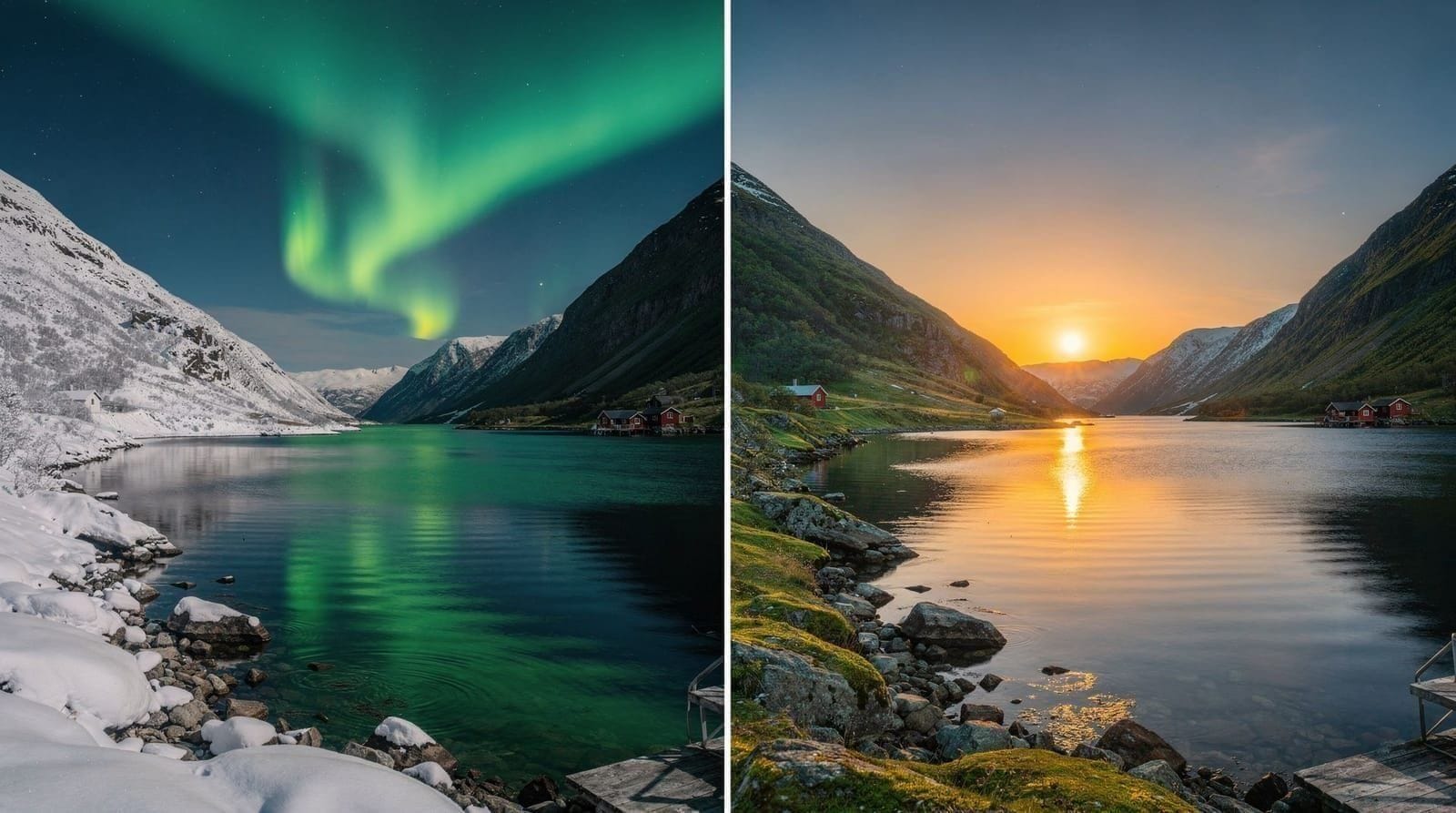
Best time to visit Tromsø
Tromsø: Northern Lights Chase with Local Guide & Free Photos
When is the best time to visit Tromsø?
For northern lights, visit November through February during the polar night. For whale watching, go November to January near Skjervøy. For midnight sun and hiking, plan for late May to late July. There is no single "worst" month — each season has its draw.
| Where | Tromsø, 69°N, and day-trip areas (Skjervøy, Lyngen Alps, Kvaløya, Senja) |
| Cost | Varies by season — hotel rates 30–50% higher in December–January than shoulder months |
| Time needed | 4–5 days minimum to cover one season’s highlights properly |
| Getting there | Fly into Tromsø Airport (TOS) via Oslo (SAS or Norwegian, ~1h45m) |
| Best time | November–February for aurora and whales; late May–July for midnight sun |
What each season in Tromsø actually offers
Tromsø at 69° north cycles through four radically different seasons within 12 months. The question is not “should I go?” but “what do I want to see?” — because each season locks you into a specific experience.
Winter (November–February): darkness, aurora, and Arctic activities
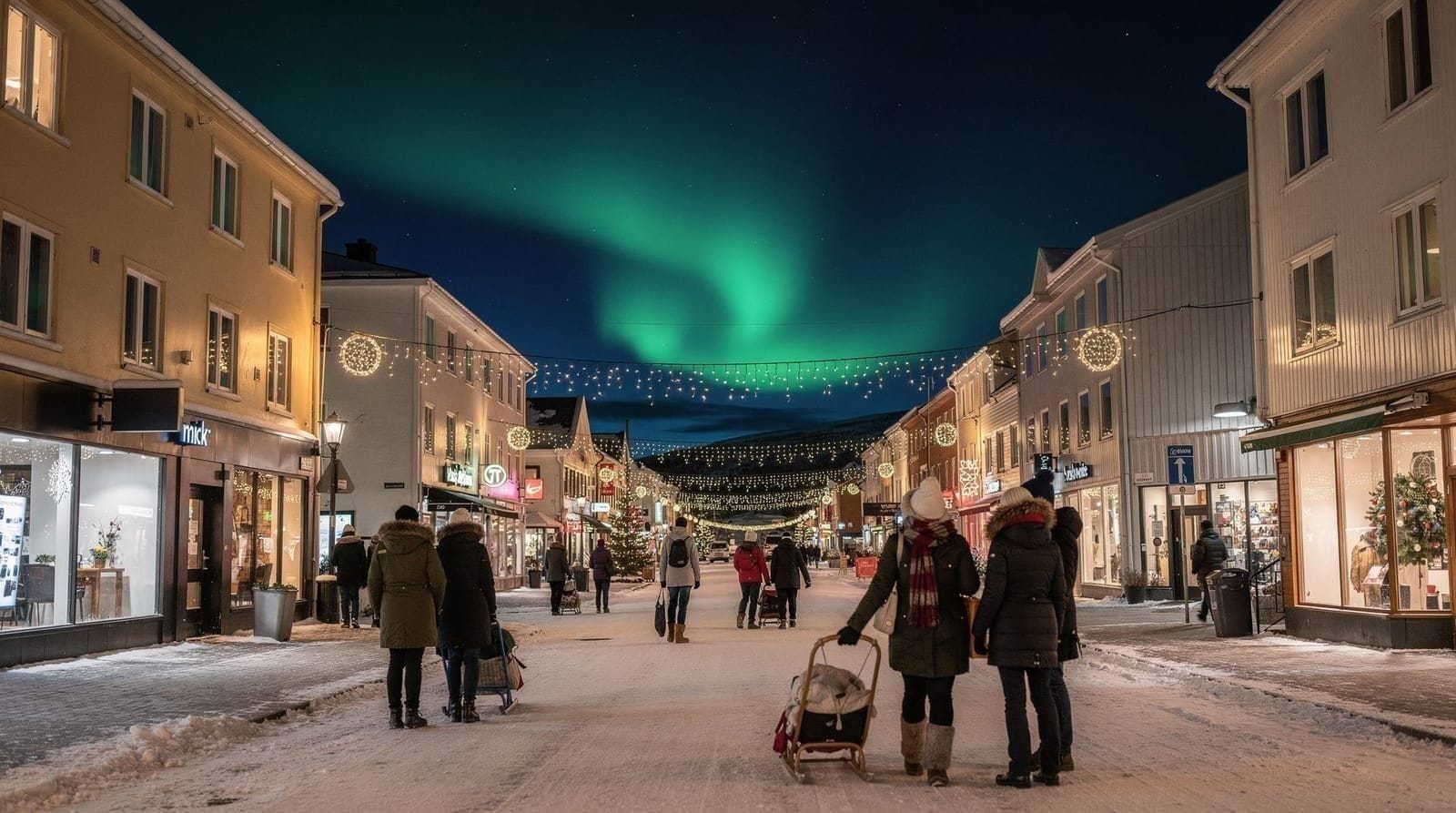
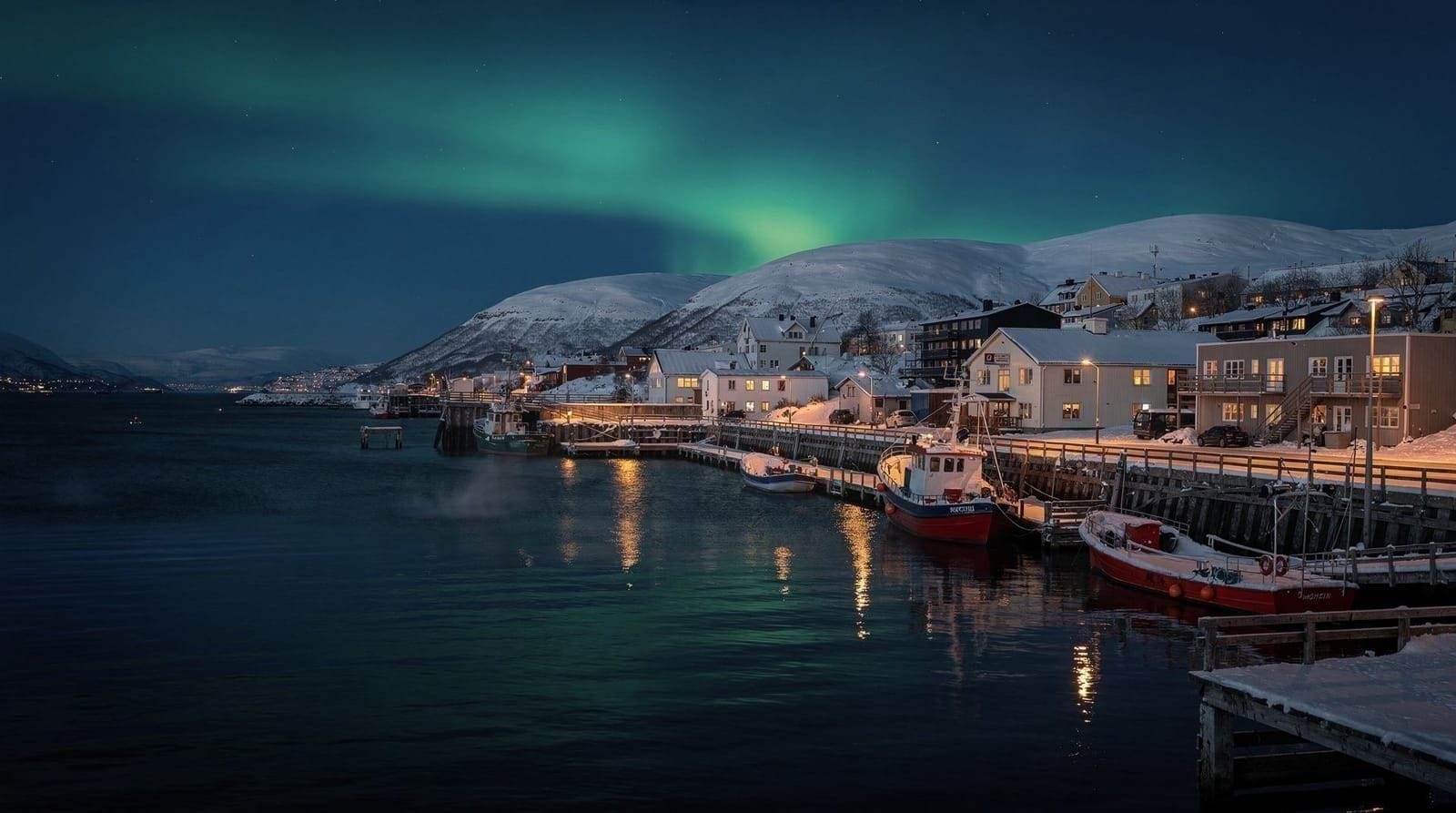
This is the bucket-list window. Polar night begins 27 November and lasts until 15 January, producing only a faint blue glow at midday. For aurora hunters, this is optimal: you do not need to wait until midnight for darkness, and tour operators can chase the lights in a 6–10-hour window starting in the afternoon.
Northern lights tours average around 2,000 NOK per person. Dog sledding (around 2,950 NOK) and reindeer-Sami experiences are only available when snow covers the valleys, typically November through March. Whale watching peaks in November and December near Skjervøy, where orcas and humpbacks feed on herring shoals.
Hybrid-electric whale watching near Skjervøy — the quieter boat option during peak orca and humpback seasonThe trade-off: this is Tromsø’s most expensive and most crowded period. Hotel rates in December and January can be 30–50% higher than shoulder season. Book accommodation 3–4 months ahead if you travel during Christmas or New Year.
Northern lights chase tour with free photosShoulder seasons (September–October and March–April): best value for aurora
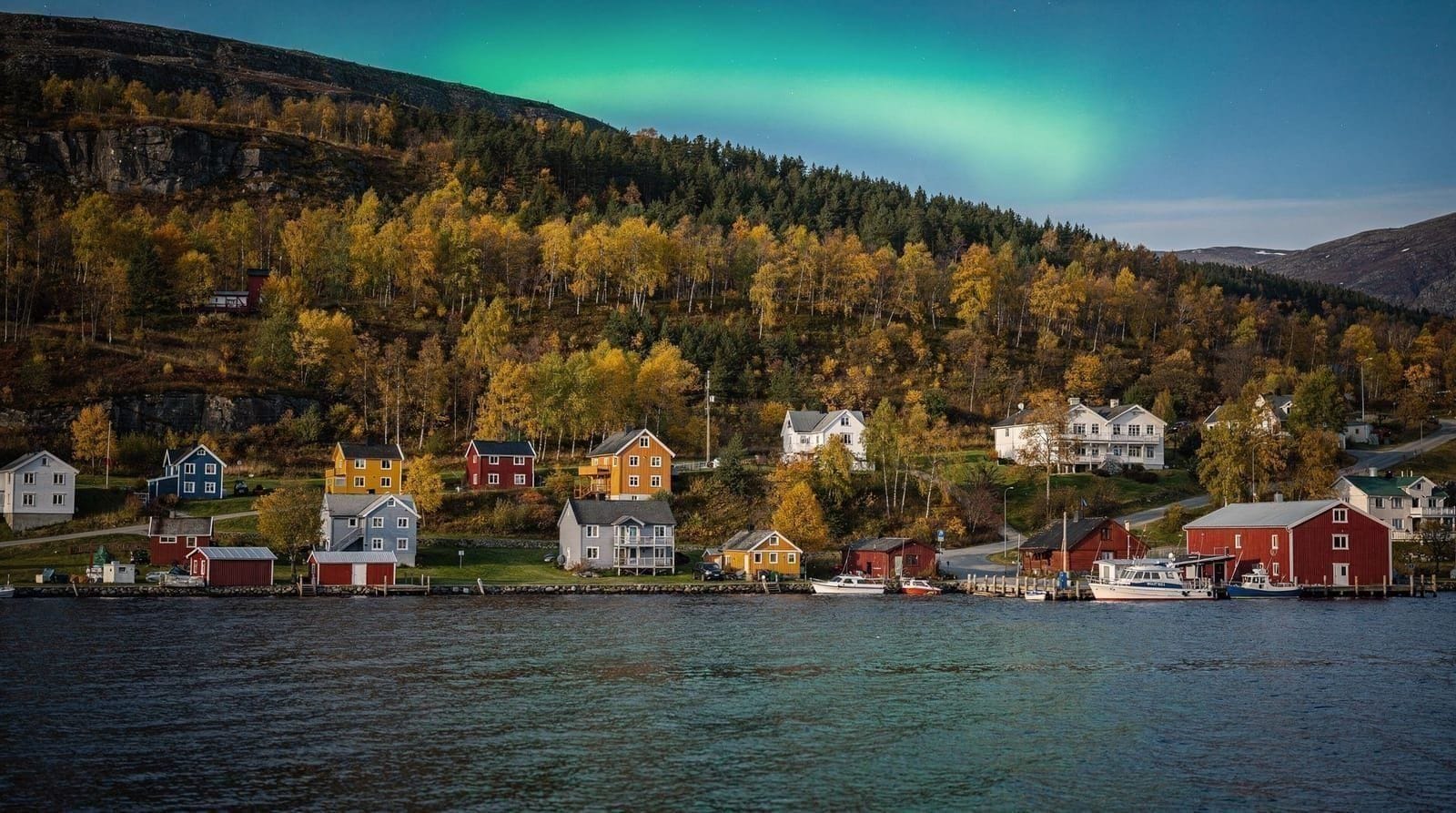
September and October give you functional darkness (sun sets by 9 p.m. in early September, by 6 p.m. in October) and the first real aurora chances of the season — without peak-season prices. The landscape is still green or transitioning to autumn gold on Kvaløya and in Lyngen. Temperatures are mild for Norway: 2–10°C.
March and April offer the other shoulder. Snow is still deep enough for dog sledding, snowmobiling on the Lyngen Alps, and snowshoeing. The sun returns but sets for several hours each night, keeping aurora possible. Accommodation is easier to book and prices start to fall as the winter crowd departs.
Transition into midnight sun (May): the blue hour of change
May is transitional. The aurora window closes around mid-April. By late May the sun no longer fully sets. This is the quietest month: winter tours wind down, summer kayaking has not fully started. The upside is the lowest hotel rates of the year and a city that feels genuinely local.
Summer (June–July): midnight sun, hiking, and kayaking
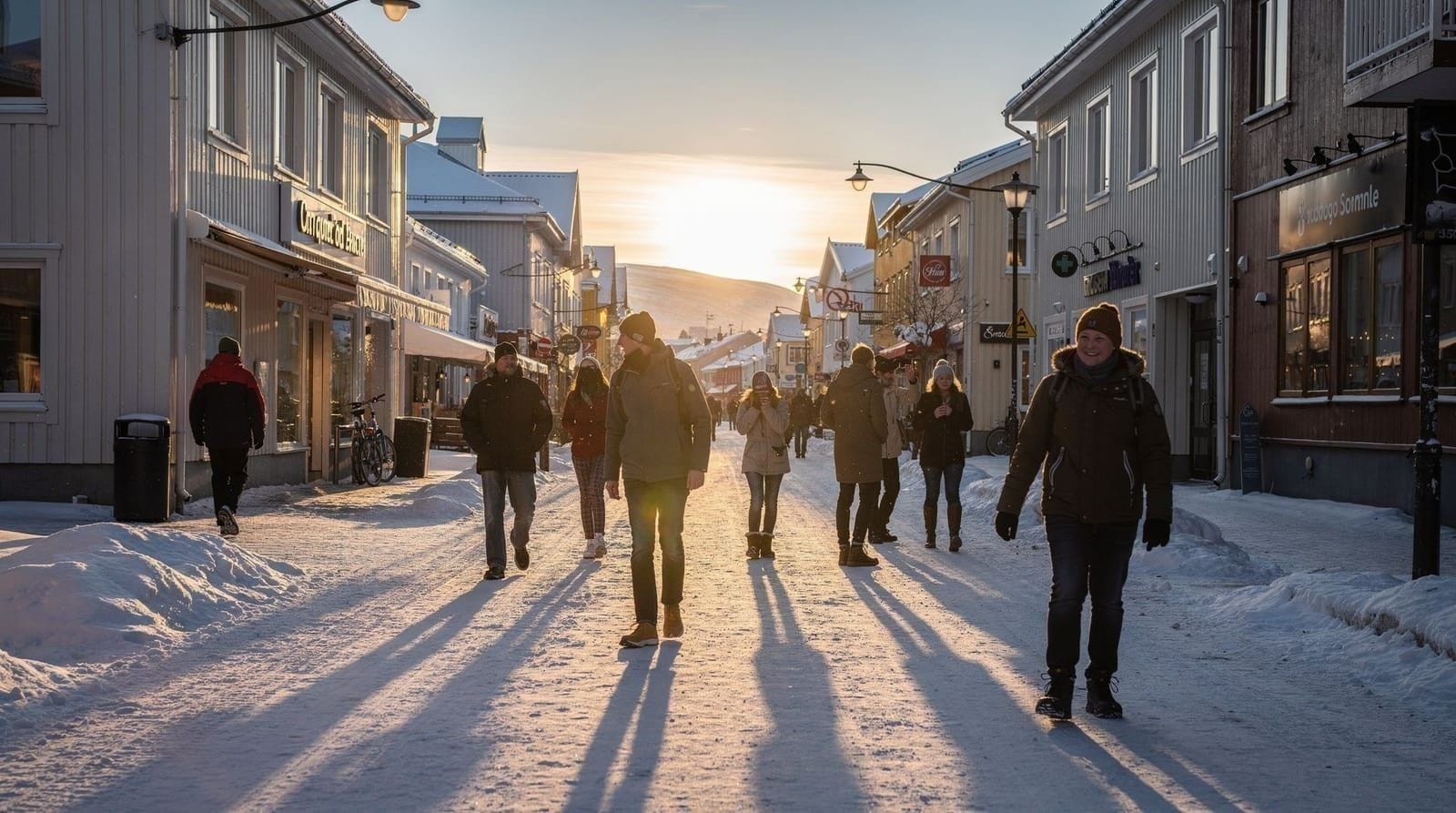
From 20 May to 22 July, the sun circles above the horizon continuously. Fjellheisen cable car to Storsteinen (421 m) stays open until 1 a.m. Guided hikes up Tromsdalstinden and across Kvaløya run day and night. Sea kayaking tours depart for Sommarøy and Ersfjord.
Summer tourism in Tromsø is lower than winter, but growing. Cruise ships dock in the harbour June–August, pushing prices up on peak weeks. Budget travellers find better deals in late May or mid-August. Note: there are no aurora-related activities in summer — it is permanently bright.
Late summer (August): the last warmth
August is the sweet spot before winter crowds return. Days are long (sunset around 11 p.m. by mid-August). The first faint aurora chances return by late August if you are lucky with clear skies and a KP ≥4. Hiking is excellent, and Senja island — about 2.5–3 hours from Tromsø — is at its most dramatic in summer light.
Month-by-month quick reference
| Month | Darkness | Aurora | Whale watching | Midnight sun | Notes |
|---|---|---|---|---|---|
| Jan | Polar night | Peak | Peak | No | Most expensive month |
| Feb | Very long nights | Excellent | Good | No | Prices start falling mid-Feb |
| Mar | Long nights | Good | Winding down | No | Snow-based activities continue |
| Apr | Shorter nights | Possible | Rare | No | Shoulder; cheapest winter month |
| May | Minimal darkness | No | No | Begins late May | Quietest month, lowest prices |
| Jun | Midnight sun | No | No | Full | Summer hiking, kayaking |
| Jul | Midnight sun | No | No | Ends 22 Jul | Peak summer tourist season |
| Aug | Short nights returning | Late Aug possible | No | No | Good hiking, growing aurora chance |
| Sep | Functional nights | Starting | No | No | Shoulder; great value |
| Oct | Long nights | Good | Starting | No | Cheaper than Jan–Feb |
| Nov | Near-polar night | Excellent | Peak | No | Second-most crowded month |
| Dec | Polar night | Excellent | Very good | No | Christmas premium pricing |
Practical booking logic
Book your Tromsø flights early regardless of season — TOS is served mainly by SAS and Norwegian from Oslo (OSL, ~1h45m). For the winter peak (December–February), lock in your hotel 3–4 months in advance; for shoulder seasons, 6–8 weeks is usually sufficient.
Aurora tours are weather-dependent and often fill up. Many operators offer a free second-night rebooking if skies are cloudy. Read the fine print before booking; the “free rebooking” sometimes only applies if you stay an extra night.
The bus from Tromsø Airport (TOS) to city centre runs every 20–30 minutes for 48 NOK on public routes 40/42. The Flybussen airport express costs 125 NOK but drops you centrally and runs more frequently.
For itinerary ideas based on your chosen season, see the 3-day winter itinerary and summer 3-day guide.
Matching the season to your priorities
If you have to pick just one season, work backward from what you actually want to see rather than what’s “peak.” Aurora hunters should prioritise November–January despite the cost and crowds — no other window matches the darkness. Families with young children often do better in the shoulder seasons (September–October or March–April), when outdoor exposure times are shorter and prices are lower, while still catching decent aurora odds; the family winter guide covers age-specific timing in more detail. Hikers and photographers chasing dramatic light without the cold should look at June–July, when Kvaløya and Tromsdalstinden are open around the clock. Budget-conscious travellers get the best value in May or late August — shoulder months either side of the two expensive peaks.
Packing for the season you choose
Whatever month you land in, packing correctly matters more in Tromsø than in most destinations, because conditions swing from -15°C polar night to 20+°C midnight sun within the same calendar year. Layering is the constant: merino or synthetic base layers, a warm mid-layer, and a genuinely wind/waterproof shell for winter; lighter layers plus a windproof shell for summer, since Arctic wind chill applies even when the sun never sets. The Tromsø packing guide breaks this down by season with specific gear recommendations, and is worth reading regardless of which month you’ve settled on.
Frequently asked questions about the best time to visit Tromsø
Can I see the northern lights in September in Tromsø?
Yes. By mid-September, nights are dark enough for aurora sightings. The equinox effect (geomagnetic storms peak around equinoxes) can produce strong displays in September and March. That said, September weather is unpredictable — cloud cover is common.
Is December good for whale watching and northern lights at the same time?
Yes — December is the one month where both are possible in the same trip. Most whale watching tours depart toward Skjervøy early in the morning and return by late afternoon, leaving evening free for an aurora tour. Pack your itinerary accordingly.
How many nights do I need to see the northern lights?
Most aurora tour operators recommend at least 3 nights to improve your statistical chance. Clouds are the main obstacle, not the aurora itself — KP2 and above is visible from Tromsø on many nights between October and March, if the sky is clear.
Is Tromsø good for families in winter?
Yes, with caveats. Dog sledding, reindeer experiences, and ice dome visits at Camp Tamok suit children from about age 5. Very young children (under 3) may struggle with long outdoor exposure at -10°C. See the family winter guide for age-specific advice.
What is the weather like in Tromsø in November?
November is transitional: early November still has a few hours of weak sunlight; by 27 November polar night begins. Temperatures hover between -5°C and +3°C. Rain and snow both occur. Average: expect 50% cloud cover, which reduces aurora probability but does not eliminate it.
Can I combine Tromsø with Lofoten?
Yes — a common route is fly into TOS, spend 4–5 days in Tromsø, then take the bus/ferry south to Lofoten (about 13 hours, tickets around 700–900 NOK) and fly home from Bodø or Svolvær. This works better in winter for aurora hunting and in summer for scenic diversity.
When does Tromsø get booked out for New Year’s Eve?
New Year’s Eve in Tromsø sells out extremely fast — some hotels and tour operators are fully booked 6 months in advance. If you want to see the aurora under fireworks over the fjord, book no later than July for a December–January trip.
Top experiences
Bookable activities with verified prices and instant confirmation on GetYourGuide.