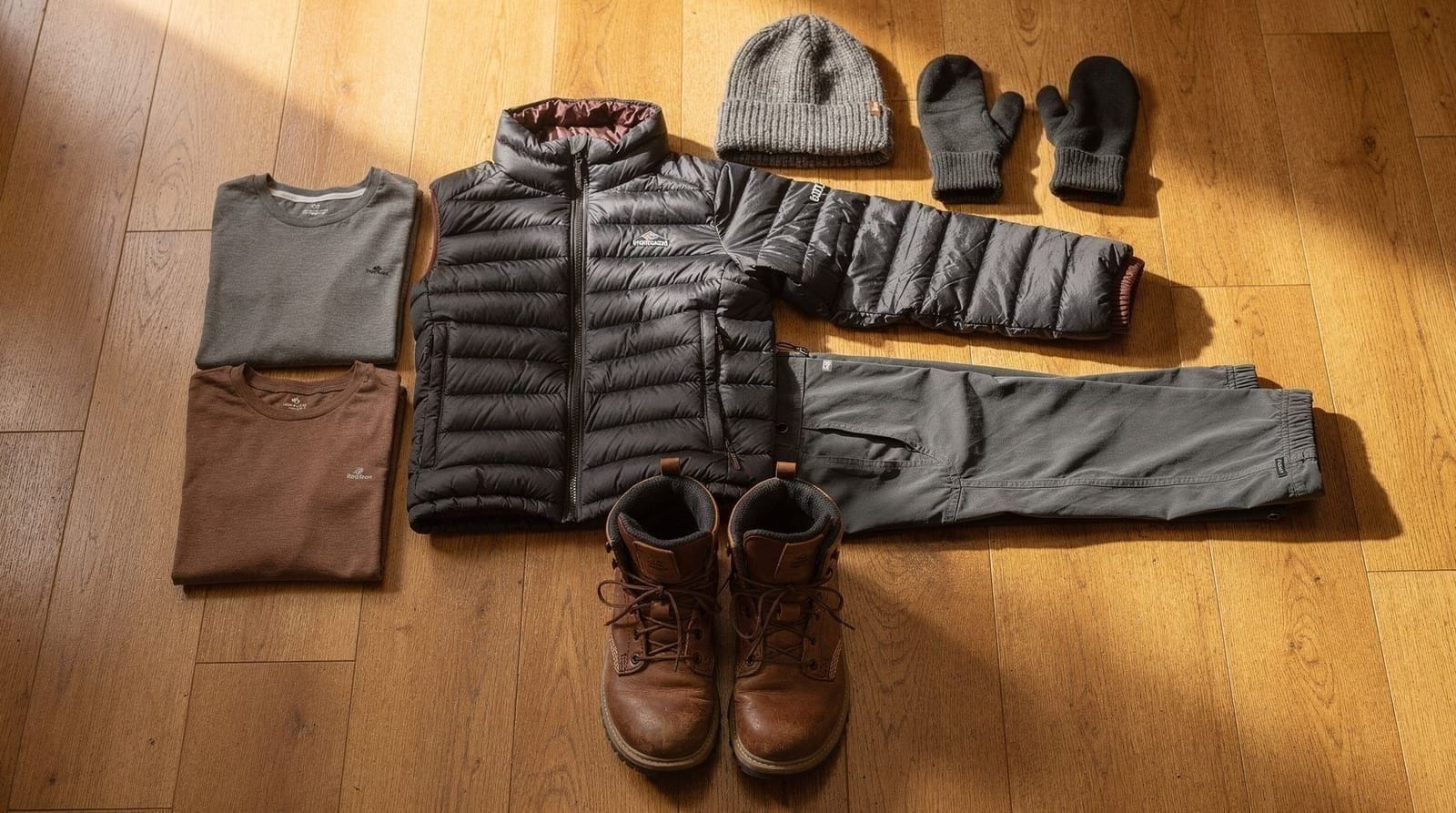
What to bring on a whale watching trip near Tromsø
Tromsø: Whale Watching Tour by Hybrid-Electric Boat
What do I need to bring on a whale watching tour near Tromsø?
Thermal base layers, a mid-layer fleece, a windproof and waterproof outer layer, wool hat and gloves, and waterproof boots. Most operators provide drysuits for RIB tours. Bring your camera with a telephoto lens, seasickness medication taken the night before, and a snack. Leave large luggage at the hotel.
Top priority: Warm and waterproof from head to toe. On RIBs, drysuits are provided over your base layers. On catamarans, your own layers must keep you warm on deck for 1–2 hours at a time. Bring a telephoto camera, binoculars, seasickness meds (taken the night before), snacks, and a dry bag for anything that cannot get wet.
| Layers | Base + mid + waterproof outer, 3-layer system |
| Provided (RIB) | Drysuit, boots, life jacket |
| Provided (catamaran) | Heated cabin, sometimes blankets |
| Camera | 100–400mm telephoto, spare batteries, dry bag |
| Buy locally | Intersport/XXL on Storgata if underprepared |
Why Arctic whale watching requires specific preparation
A whale watching trip near Tromsø in November–January is not a Mediterranean summer cruise. Air temperatures are typically -5°C to -10°C on the water, wind chill can push the felt temperature to -15°C or lower, and spray from the bow — especially on RIBs — adds a wet element that accelerates heat loss dramatically.
That said, proper preparation makes the experience genuinely comfortable. Norwegian operators are experienced at keeping passengers warm, and most tours are not gruelling physical challenges. The key is knowing what you will and will not be provided before you arrive.
Clothing: what to wear
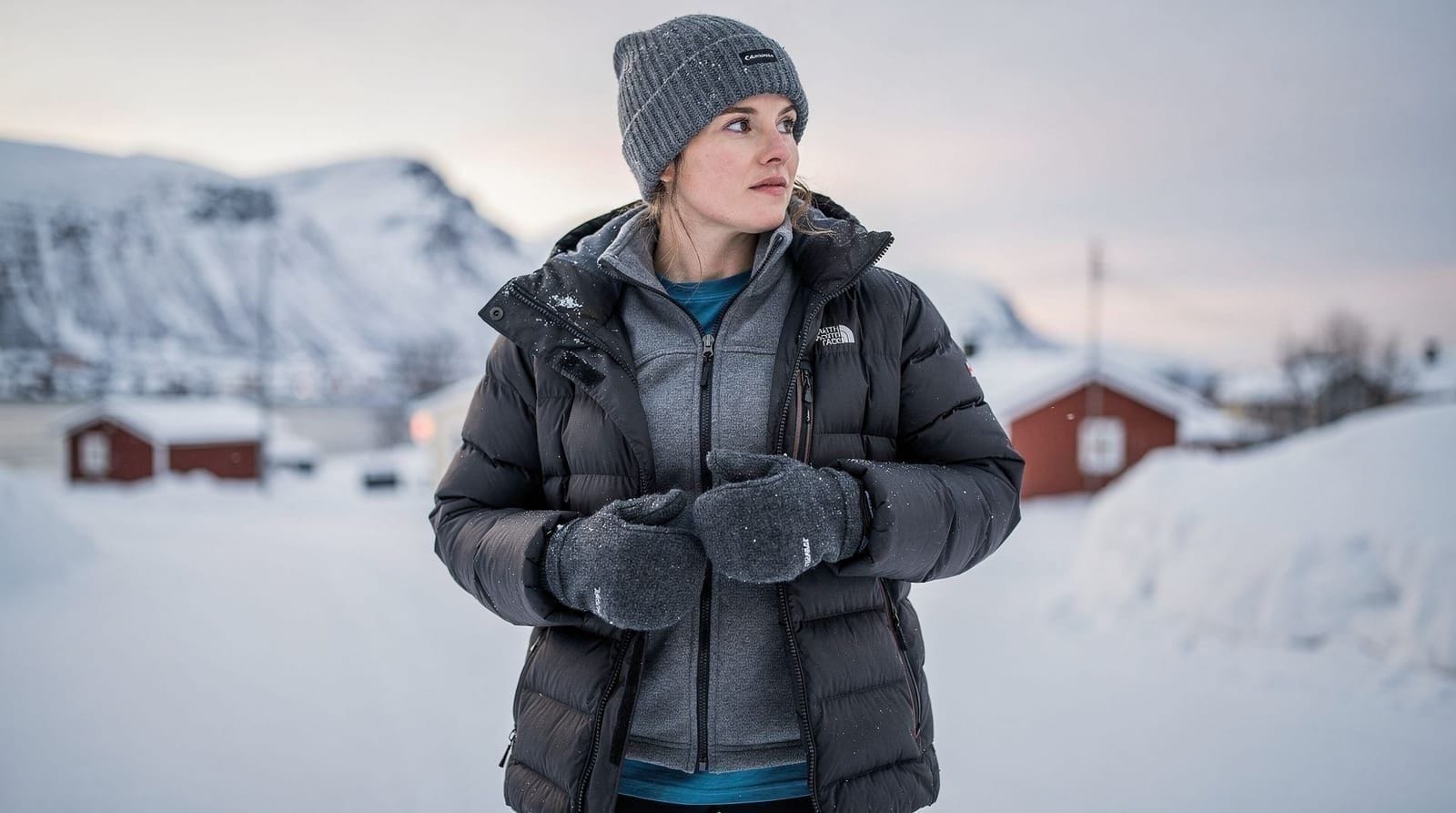
The layering principle applies in full here. Think of it as three layers with different functions:
Base layer (moisture management): Merino wool or synthetic thermal underwear, top and bottom. Wool is slightly preferable in wet conditions because it retains some insulating capacity when damp. Cotton kills — leave it at the hotel.
Mid layer (insulation): A thick fleece or a down jacket (non-goose down if there’s any chance it will get wet; otherwise synthetic insulation is more reliable in maritime conditions). The mid layer is where most of your warmth comes from.
Outer layer (wind and waterproofing): A waterproof, windproof jacket and trousers. Gore-Tex or equivalent. On a catamaran this is what you wear on deck. On an RIB, the operator’s drysuit goes over all your layers, so the outer layer mainly needs to be windproof for the pre-boarding walk.
Extremities:
- Wool or fleece hat covering ears
- Neck gaiter or balaclava (excellent on RIBs where spray hits your face)
- Waterproof mittens or windproof gloves over a thin liner glove
- Waterproof insulated boots with good grip
If you are not sure whether your existing winter gear is sufficient, Tromsø city centre has multiple outdoor equipment shops — Intersport, XXL, and specialist Arctic outfitters — where you can buy or rent what you need on arrival.
Traditional heated boat whale safari — smaller group, calmer paceWhat operators typically provide
RIB tours: Full-length flotation suits (often called drysuits or immersion suits) that go over your own clothing. These are breathable, waterproof, and buoyant. Boots with neoprene liners. Gloves may or may not be provided — ask in advance. Life jacket is included.
Catamaran and hybrid-electric tours: Heated indoor cabin where you spend most of your time. You go on deck in your own gear for whale encounters. Some operators provide extra blankets or thermal ponchos for deck use.
Larger vessels with a galley: Hot drinks (coffee, tea, cocoa) are typically available. Some include soup.
Camera gear: what actually works
Whale watching presents specific photography challenges: moving animals, unpredictable surfacing, low light (often polar night conditions), spray near the boat.
Recommended kit:
- Camera body with reliable high-ISO performance (APS-C mirrorless bodies from Canon, Sony, Fujifilm, or Nikon; or full-frame equivalent)
- Telephoto zoom: 100–400mm or 70–300mm is more practical than a fixed 500mm prime on a moving boat
- Fast autofocus with animal/bird tracking (Sony a-series, Canon R-series, Nikon Z-series all have this)
- Extra batteries: cold drains batteries fast. Bring 3–4 charged batteries and keep spares inside an inner pocket next to your body
- Memory cards: use cards rated V30 or above for reliable burst shooting
- Lens cloths: spray from waves and whale blows hits lenses. Bring 3–4 lens cloths in an accessible pocket
Waterproofing: A dry bag or waterproof camera cover is essential, particularly on RIBs. Even on catamarans, sea spray can reach lenses on deck. A simple lens hood helps deflect droplets. Some photographers use a rain sleeve (a lightweight waterproof cover for camera and lens).
Avoid: Tripods (impractical on boats), heavy prime telephoto lenses of 600mm+ (difficult to handhold on a moving deck), and DSLR film cameras (film advance and meter issues in cold).
Phones and compact cameras: Excellent for video and general shots in good light. In low-light polar night conditions, the computational photography in modern smartphones (iPhone Pro, Samsung Ultra) is surprisingly capable. Not a replacement for a telephoto lens when subjects are 50+ metres away, but perfectly fine for social media content.
See aurora photography settings for general cold-weather camera handling tips that apply equally to whale photography.
What to eat and drink
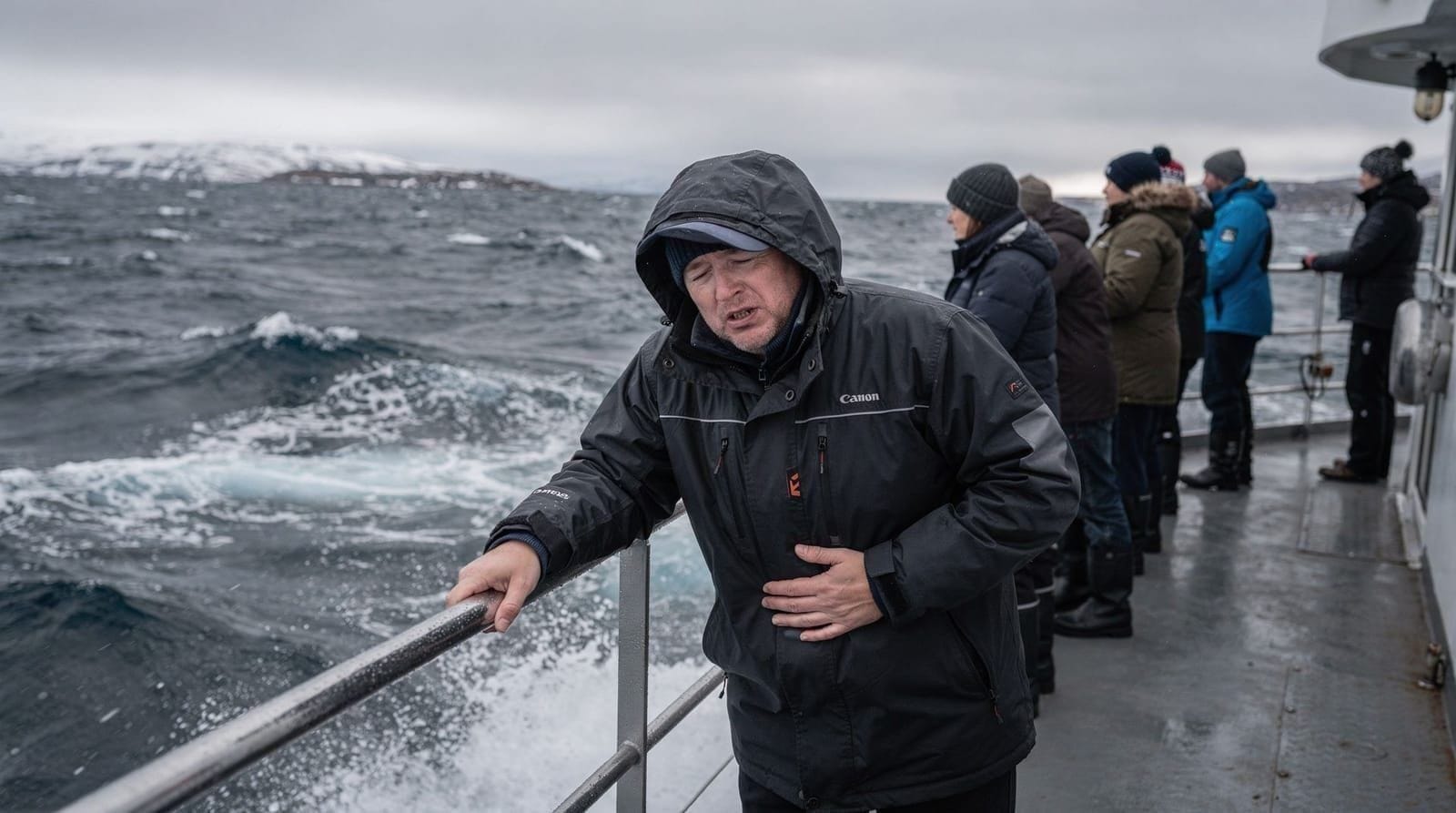
Do not eat a heavy or greasy meal in the 2 hours before departure. If you are prone to motion sickness, this is especially important. See whale watching seasickness for full guidance.
Bring in your bag:
- Small snacks: nuts, dried fruit, energy bars, a sandwich
- A thermos with hot tea or coffee (some boats have limited hot drink availability)
- Water: even in cold weather you need to stay hydrated
- Avoid alcohol before and during the trip
What to leave behind
- Large suitcases or rolling bags (no room on boats)
- Laptops or fragile electronics not in waterproof cases
- Anything you would be devastated to lose to spray or a wet deck
- Perfume or strong scents (on a small RIB with a group, this matters more than you’d think)
Most hotels have left-luggage facilities. Ask at check-in.
Packing differs slightly by season and boat choice
What you need shifts a little depending on when you go and which vessel you book. The core whale watching season runs November–January, when polar night means you’ll be photographing and dressing in low light for most of the trip — headlamps and lens cloths matter more than sun protection. If you are choosing between operators, the best whale watching operators in Tromsø guide notes which vessel type each one runs, which affects whether you need a full drysuit-compatible base layer (RIB) or simply warm deck clothing (catamaran).
For general winter packing beyond whale watching
If this is one stop on a longer Tromsø winter trip, the Tromsø packing guide covers the fuller wardrobe for city walking, dog sledding, and aurora watching — most of the same base and mid layers carry over between activities, so you are not packing separately for each one.
The full packing checklist
- Thermal base layers (top and bottom)
- Mid-layer fleece or down jacket
- Waterproof outer jacket and trousers
- Wool hat, neck gaiter, gloves
- Waterproof insulated boots
- Binoculars (8x42)
- Camera with telephoto lens, extra batteries, memory cards, lens cloths
- Dry bag or waterproof camera cover
- Snacks and thermos
- Seasickness medication (taken the night before if needed)
- Photo ID (some operators require passport/ID for booking confirmation)
- Booking confirmation on your phone (screenshot in case of no signal)
Frequently asked questions about what to bring whale watching in Tromsø
What if I don’t have warm enough clothing?
Do not skip the trip because of this. Tromsø has multiple outdoor equipment shops (Intersport on Storgata, XXL Sport, and several specialist Arctic outfitters) where you can buy or rent thermal layers and waterproof gear. This is a legitimate use of your first day or morning in the city. Renting gear is typically 150–300 NOK per item per day.
Can I wear my ski jacket?
A ski jacket works as your outer shell and is usually windproof and waterproof. Ski trousers also work well. This is genuinely good whale watching clothing. The main gap is usually the footwear — ski boots are not practical on a boat. Bring waterproof walking boots or insulated rubber boots instead.
Should I bring sunscreen?
In November–January during polar night, UV exposure is minimal. In October (before polar night) or February (after), a light SPF is worth applying — snow and water reflection amplify UV even when the sun is low. On most whale watching days it is not a priority.
Is a dry bag really necessary?
On a RIB: yes, absolutely. Spray is constant. On a large catamaran with an enclosed cabin: less critical, but still useful for anything you bring on deck for whale encounters. A small 5-litre roll-top dry bag costs 100–200 NOK at any outdoor shop.
Can I wear contact lenses?
Yes, but be aware that cold, dry air and spray can cause discomfort. Some wearers prefer glasses for long outdoor exposures. If you wear glasses, bring a glasses case with a cleaning cloth — spray will hit your lenses repeatedly.
What time should I eat before an early departure?
Most whale watching departures are at 07:00–09:00. Eat a light, easily-digestible breakfast at least 1 hour before departure — porridge, toast, or similar. Avoid fry-ups, fried foods, or large meals. Take any seasickness medication the night before (see whale watching seasickness).
Does what I need to pack change with the season?
Yes, slightly. Within the main whale watching season (Nov–Jan), you’re packing for polar-night low light — headlamp and extra camera batteries matter more. October and February trips have more daylight but colder wind chill on some days; check current conditions with your operator.
Can I pack the same gear for whale watching and other winter activities?
Largely yes — the base and mid layers overlap with dog sledding and aurora watching. See the Tromsø packing guide if you’re combining multiple activities on one trip.
Top experiences
Bookable activities with verified prices and instant confirmation on GetYourGuide.