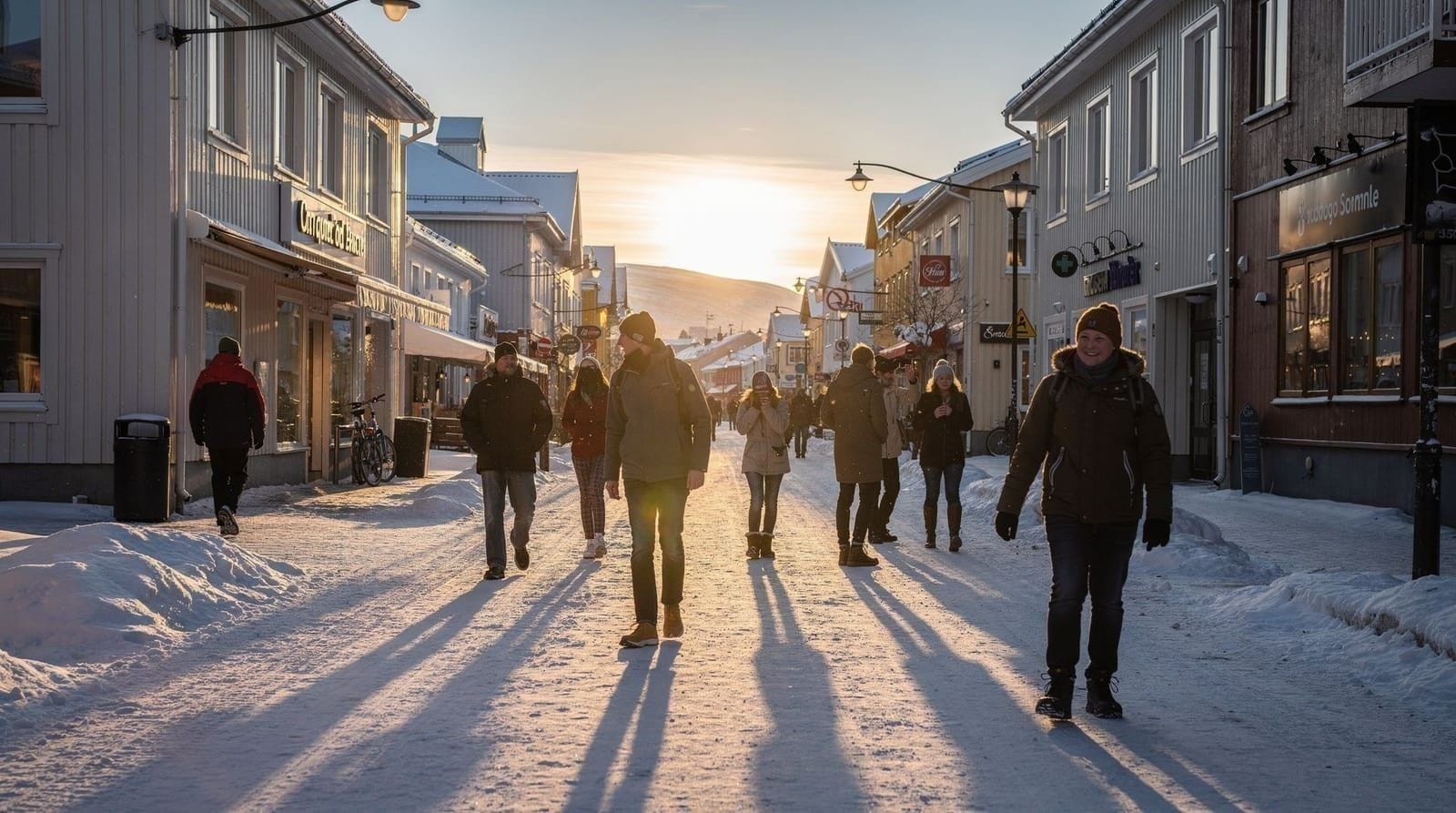
What to wear in Tromsø in winter — the layering system explained
Tromsø: Expert Aurora Hunt - Thermal Gear, Food, Campfire
What should I wear in Tromsø in winter?
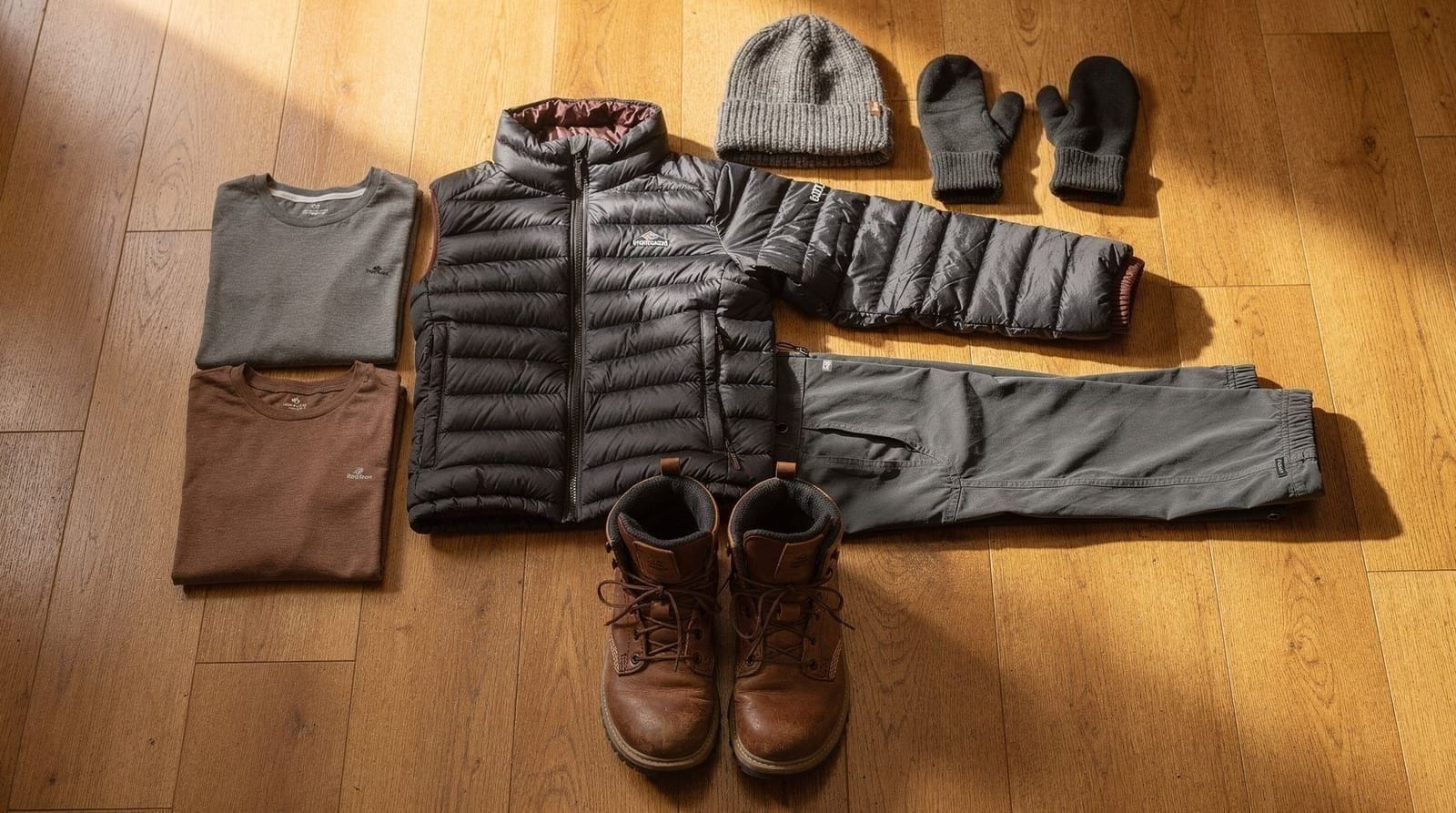
The three-layer system is essential. Wear a wool or synthetic moisture-wicking base layer, a fleece or down mid-layer for insulation, and a waterproof shell outer layer. For guided activities (aurora tours, dog sledding), most reputable operators provide full Arctic outer suits and insulated boots over your own layers. Add insulated boots, thick wool socks, a warm hat covering ears, neck gaiter, and liner plus outer gloves.
Getting dressed for Tromsø in winter is less about buying one perfect jacket and more about mastering a simple system — once you understand it, packing becomes straightforward. For the full packing checklist beyond clothing, see our Tromsø packing guide.
| Base layer | Merino wool or synthetic, top and bottom |
| Mid-layer | Fleece (200g) or packable down/synthetic-fill jacket |
| Shell | Waterproof, windproof hardshell with taped seams |
| Footwear | Insulated boots rated to at least -20°C, wool socks |
| Tour-provided | Most aurora and dog sledding operators supply outer suits |
Understanding winter clothing in Tromsø
Tromsø winter clothing is a layering question, not a single-item question. No single jacket, however expensive, substitutes for the correct three-layer system. The reason is thermal regulation: you need to stay warm when stationary (waiting for the aurora, standing on a boat), but avoid overheating when active (walking uphill, loading bags, stepping into a heated restaurant).
The three-layer system also gives you flexibility across wildly different thermal environments: a heated hotel lobby (20°C), a city walk at -5°C, and standing still on an aurora tour at -15°C all require different insulation levels — and layering lets you adapt quickly.
Layer 1: the base layer (next to skin)
Purpose: Wick moisture away from your skin and provide light insulation.
Materials that work:
- Merino wool: The gold standard. Warm, naturally odour-resistant, comfortable against skin for most people. Icebreaker, Smartwool, Devold, and Norrøna make good options. Drawback: expensive and dries slowly.
- Synthetic (Polartec, Patagonia Capilene, Helly Hansen Lifa): Slightly less warm, dries much faster, cheaper. Excellent for activities where you might sweat.
What to avoid: Cotton in any form. Cotton absorbs moisture and then loses its insulation properties, creating a wet, cold layer against your skin. Even a “warm” cotton hoodie is dangerous in extended cold exposure.
What you need: Top and bottoms. Bring two sets so you can alternate. Long-sleeve top, crew or zip neck; full-length bottoms. Wear these as the first layer every day.
Layer 2: the mid-layer (insulation)
Purpose: Trap warm air close to your body. This is where you actually get warm.
Options:
- Fleece jacket: Most versatile. Pack well, dry quickly, maintain warmth even when damp. A medium-weight fleece (200g weight class) is the workhorse mid-layer.
- Down jacket (packable): Warmer than fleece at equivalent weight. Compresses into its own pocket. Vulnerable to wet conditions — if it gets wet, down loses insulating capacity temporarily.
- Synthetic fill jacket (Primaloft, Thermoball): Nearly as warm as down, much better when wet. Heavier per insulation unit, but more practical in Tromsø’s occasionally wet conditions.
When to wear it: In the city over your base layer, plus a shell. On guided activities, the operator’s outer suit goes over this.
For dog sledding or other highly active pursuits, a lighter mid-layer (100-weight fleece) lets you regulate temperature during exertion.
Layer 3: the shell (outer layer)
Purpose: Block wind and water. This layer does not need to be warm — it just keeps the weather out and lets your inner layers do the warming.
What works:
- A waterproof, windproof hardshell or soft-shell jacket with taped seams
- Gore-Tex or equivalent membrane
- Ski jacket (with or without down lining) — note that a ski jacket with built-in insulation doubles as a combined mid + shell, reducing layering options
For guided activities: If your operator provides an Arctic outer suit (most do), your own shell is supplementary. Wear it for city walking; the operator’s suit replaces it outdoors.
Waterproof trousers: Equally important. Ski trousers or waterproof softshell trousers over your base layer bottoms. Jeans in Tromsø winter are a genuine hazard — wet denim against skin in wind-chill conditions is miserable and potentially dangerous on full-day excursions.
Footwear: the most common mistake
More Tromsø visitors get this wrong than any other item. The problems:
- Fashion boots with thin soles — cold, slippery on ice, uncomfortable
- Hiking boots designed for autumn — not warm enough below -5°C
- Leather-soled dress shoes — completely unsuitable on ice
What you need: Insulated waterproof winter boots, rated to at least -20°C, with a chunky rubber non-slip sole (Vibram or equivalent). Specific criteria:
- Insulation rating: minimum -20°C (often labelled -20°C or “Arctic”)
- Waterproof upper: leather or synthetic with waterproof membrane
- Grippy sole: specifically designed for ice/snow
Top options: Sorel Caribou (a proven classic), Kamik Nation, Baffin Control, Muck Boot Arctic Pro, or local Norwegian brands like Mammut winter boots.
Socks: Heavy Merino wool socks inside the boot. Two pairs so you can alternate. Never cotton socks.
Ice grippers: Small rubber over-sole attachments (brodder in Norwegian) that snap onto your boot. Cost 100–200 NOK at Intersport or XXL in Tromsø. Pavements are salted and sanded but patches of ice persist — grippers prevent falls.
Accessories: the heat-loss points
Hat: A wool or fleece hat that covers your ears. Heat escapes rapidly from an uncovered head. For very cold days, a hat that also covers the forehead and can be pulled down further is better than a thin beanie.
Neck gaiter or balaclava: The second major heat-loss point is your neck and jaw. A tube-style neck gaiter (merino or synthetic) pulled up to your nose on cold or windy days makes a significant difference in comfort. Balaclavas (full head coverage) are useful for aurora boat cruises or snowmobile tours.
Gloves: Two pairs — thin liner gloves and heavy outer mittens. The liner gloves allow phone use without exposing skin to cold; the mittens go on when you stop. Mittens are warmer than fingered gloves because fingers warm each other. Avoid cheap cotton-lined synthetic mittens — get wool liner or proper ski mittens.
Wool or thermal underlayer for neck and wrists: Wool scarves or wraps for the wrist gap between glove and sleeve are useful on the coldest days.
What tour operators typically provide
Most reputable aurora tour operators in Tromsø provide outer layer equipment:
- Full Arctic outer suit (one-piece or two-piece, rated to -30°C or lower)
- Insulated Arctic boots (if you do not have suitable ones)
- Mittens
Confirm before booking what is specifically included. If they provide full suits, you only need to bring your own base and mid layers plus normal winter accessories (hat, neck gaiter, gloves).
Aurora tour with thermal gear providedDog sledding operators at Tamok Valley similarly provide outer suits. Whale watching operators typically provide floatation suits which also provide warmth.
Dog sledding in Tamokdalen — outer suits providedWhat to wear for each activity
Clothing priorities shift depending on what you’re doing — a boat cruise and a museum afternoon have very different demands.
| Activity | What matters most | More detail |
|---|---|---|
| Aurora hunting (bus/car) | Staying warm while stationary; outer suit usually provided | What to wear for northern lights |
| Aurora boat cruise | Wind chill plus sea spray; add an extra mid-layer | Floatation suits are provided but wind still cuts through |
| Dog sledding | Active bursts followed by stationary stretches | What to wear dog sledding |
| Winter hiking (Fjellheisen, Storsteinen) | Layer management and moisture control on exertion | Hiking gear for Tromsø |
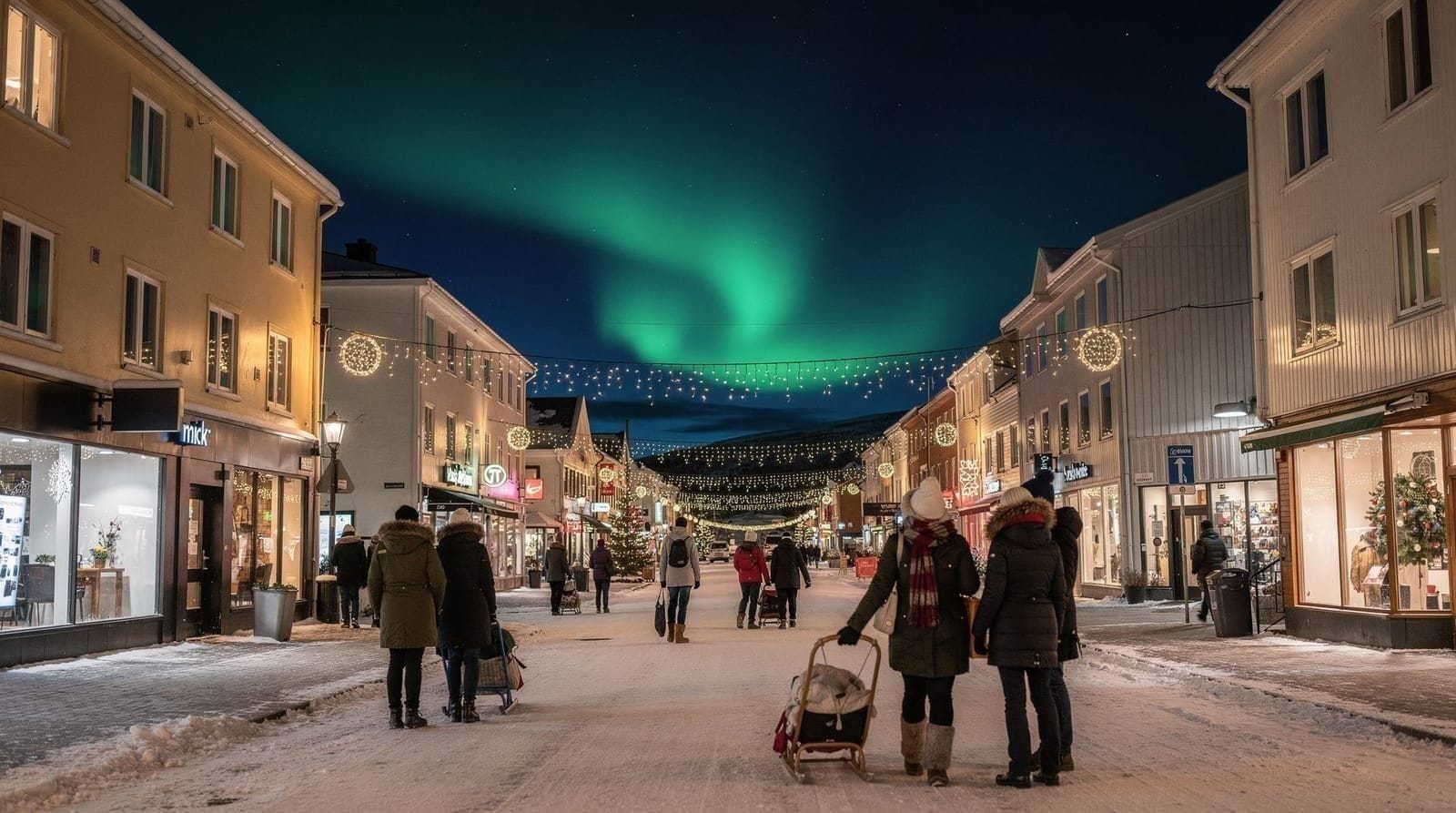
| City walking (Storgata, museums) | Frequent indoor/outdoor transitions | A quality ski jacket is usually enough, see below |
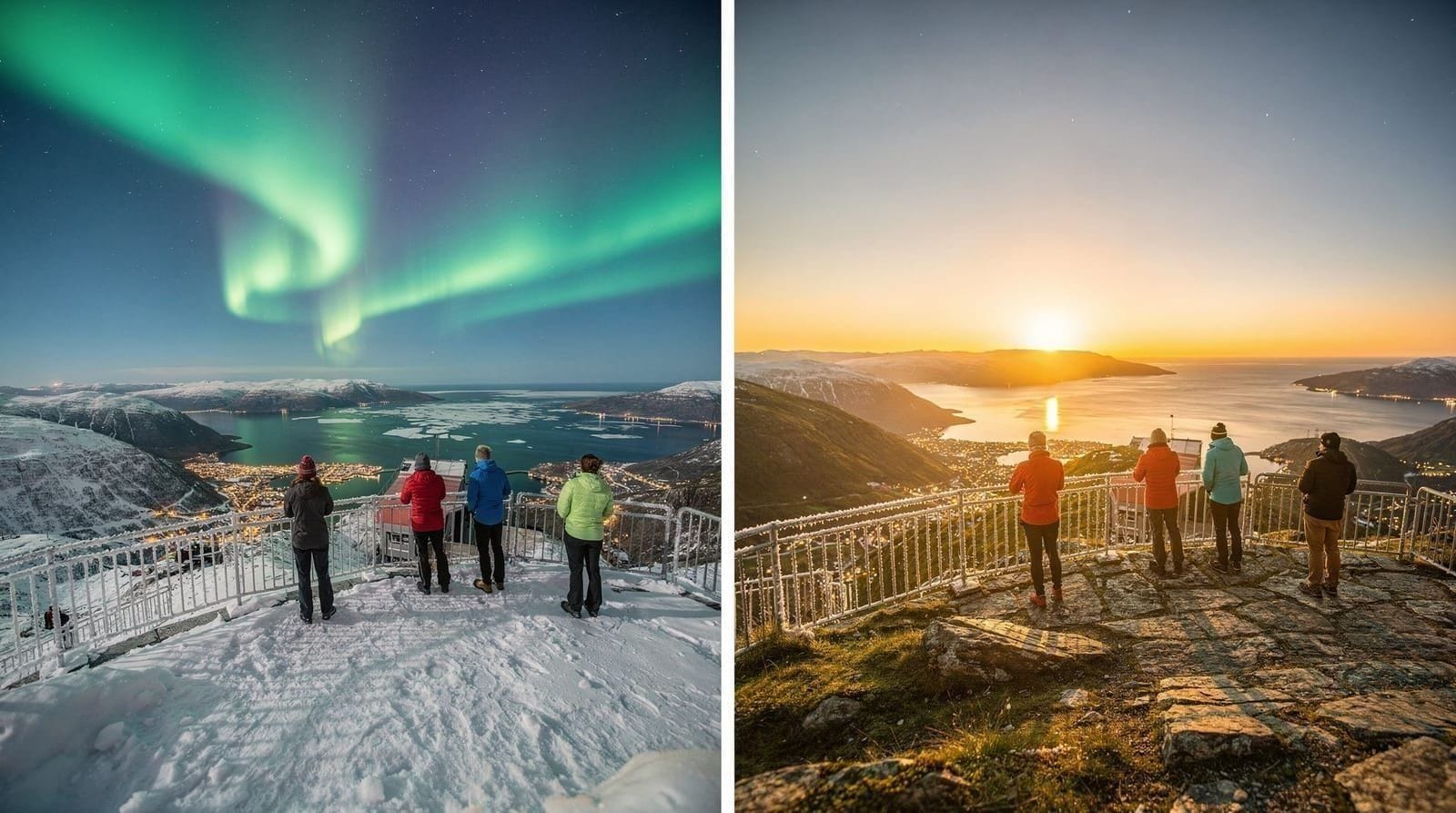
Clothing needs also shift slightly across the season: Tromsø in January is typically the coldest month, while earlier winter sees shorter days but often milder temperatures. Check best time to visit Tromsø for the full seasonal breakdown before you pack.
The wettest vs. coldest scenario
Coldest: January and February inland (Tamok Valley, Lyngen). Temperatures at -15 to -25°C during clear nights. The operator’s outer suit handles this — your base and mid layers just need to be functional.
Wettest: March and October. Above-freezing temperatures with rain/sleet are possible. In these conditions, waterproof shells and boots become more important than extreme insulation ratings. A completely waterproof setup with moderate insulation beats a warm but non-waterproof setup.
Most challenging: Aurora boat cruises. Wind chill on water at -5°C with sea spray makes this the physically hardest environment. Always add an extra mid-layer for boat-based tours.
Frequently asked questions about Tromsø winter clothing
Can I rent outdoor clothing in Tromsø?
Gear rental is available from a few operators and some outdoor shops in the city. Inventory is limited during peak winter season. Do not rely on rental for core items (boots, base layers) unless you confirm availability in advance. Tour operators’ suits are a reliable source of outer layer coverage.
Is my ski jacket enough for Tromsø?
A quality ski jacket (waterproof, with mid-layer lining) is generally adequate for city walking and casual outdoor exposure. For extended outdoor activities in very cold conditions (-15°C and below), a separate base + mid + shell system gives better flexibility. Ski trousers are similarly useful and often outperform other waterproof trouser options.
What should I NOT wear for an aurora tour?
Do not wear: jeans, cotton anything, non-waterproof trousers, fashionable thin-soled ankle boots, or thin “windbreaker” shells without insulation underneath. These will leave you cold and miserable within an hour of being outdoors in January.
Do I need different clothes for indoor vs. outdoor activities in Tromsø?
Plan for constant indoor/outdoor transitions. Your base and mid layers should be comfortable in a heated restaurant or museum lobby (not too hot to remove the mid-layer). The shell comes off indoors. Wear layers you can remove efficiently — zip fronts rather than pullover sweaters are easier to manage.
Top experiences
Bookable activities with verified prices and instant confirmation on GetYourGuide.