What to expect on a fjord cruise near Tromsø — honest first-timer guide
Tromsø: Arctic Fjord Sightseeing Cruise in Luxury Catamaran
What can I realistically expect on a fjord cruise near Tromsø?
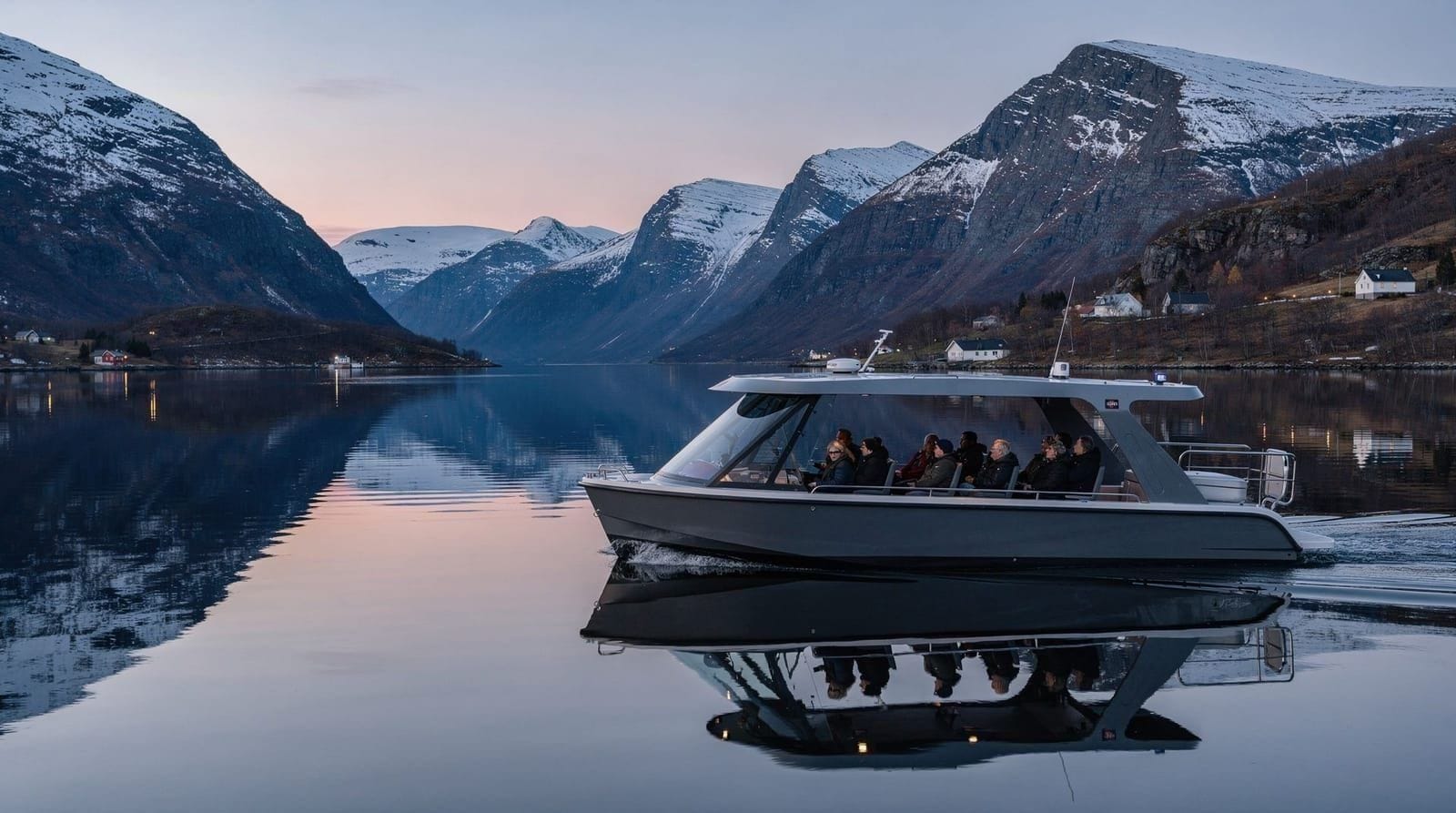
A 2–3 hour boat trip through Arctic fjord scenery — mountains, coastline, sea eagles, seals. You spend time in a heated cabin and on deck. It is calm, scenic, and genuinely beautiful but not adrenaline-packed. Most people leave satisfied; expectations matching reality is key.
The straight answer: You board a heated catamaran, spend 20–30 minutes in the harbour exit, then 90–120 minutes in open fjord scenery, then return. There is a guide giving commentary. You go on deck when there is something to see. You can be inside when there is not. It is peaceful and beautiful. It is not an adventure. Manage expectations accordingly and you will enjoy it.
| Duration | 2–3 hours standard; 90 min–5 hours available |
| Where | Departs Prostneset, Tromsø harbour |
| Cost | 600–2,500 NOK depending on length |
| Wildlife | Sea eagles likely, seals usual, whales not reliable |
| Booking | 1–4 weeks ahead depending on season |
The sequence of a typical fjord cruise
Many travellers board a fjord cruise without a clear idea of what happens during the 2–3 hours. Here is what actually takes place on a standard catamaran cruise from Tromsø:
At the harbour (0:00–0:20): Check in at the gangway, show your booking confirmation. You are shown to the boat and find a seat or a spot on deck. Safety briefing — life jackets, emergency exits, what to do if someone goes overboard. This is brief (5–10 minutes) but mandatory. Hot drinks (coffee, tea) are usually available from the moment you board.
Leaving Tromsø (0:20–0:40): The boat exits Tromsø harbour and enters Tromsøysundet. You are already in scenic territory — the Arctic Cathedral and Tromsø city skyline are visible behind you; ahead are the snow-dusted mountains of the mainland. Most passengers go on deck for this portion. The guide begins commentary, pointing out landmarks and natural features.
Open fjord section (0:40–2:00): The bulk of the cruise. The route varies by operator, season, and conditions. Common route elements include:
- Passing traditional fish racks (hjell) — the distinctive wooden frames used to dry cod in winter
- Coastal villages viewable from the water
- Stops or slow passages near sea eagle hunting grounds
- Areas where harbour seals regularly haul out
- Scenic mountain backdrops — particularly impressive in winter with snow
The guide alternates between cabin commentary (via speaker system) and deck announcements. You move freely between heated interior and deck throughout.
Wildlife encounter pauses (variable): When something worth seeing appears — a sea eagle circling, a seal on rocks, a pod of porpoise — the captain slows or stops. You get 5–15 minutes for observation and photography before continuing. In good conditions with an attentive guide, there may be 4–6 such pauses during the cruise.
Return (2:00–2:30): The boat turns and returns to Tromsø harbour. The return leg often has the same scenery from the opposite direction, which looks different in different light. Docking and disembarkation are quick.
The guided commentary: what you learn
Good fjord cruise guides cover:
- The ecology of the Arctic fjord system — temperature layers, fish species, the herring-whale-eagle food chain
- History of the coastal communities you pass — fishing traditions, Sami maritime culture, the role of the cod fishing industry in northern Norwegian history
- Wildlife identification and behaviour when animals are spotted
- General Arctic Norway context — geography, climate, and the human history of the area
Commentary quality varies significantly between operators. Some have marine biologists or naturalists on board; others use general-purpose tour guides with scripted commentary. Ask when booking whether the guide has a natural history background if this matters to you.
Luxury Arctic fjord sightseeing cruise — book hereManaging expectations: what a fjord cruise is not
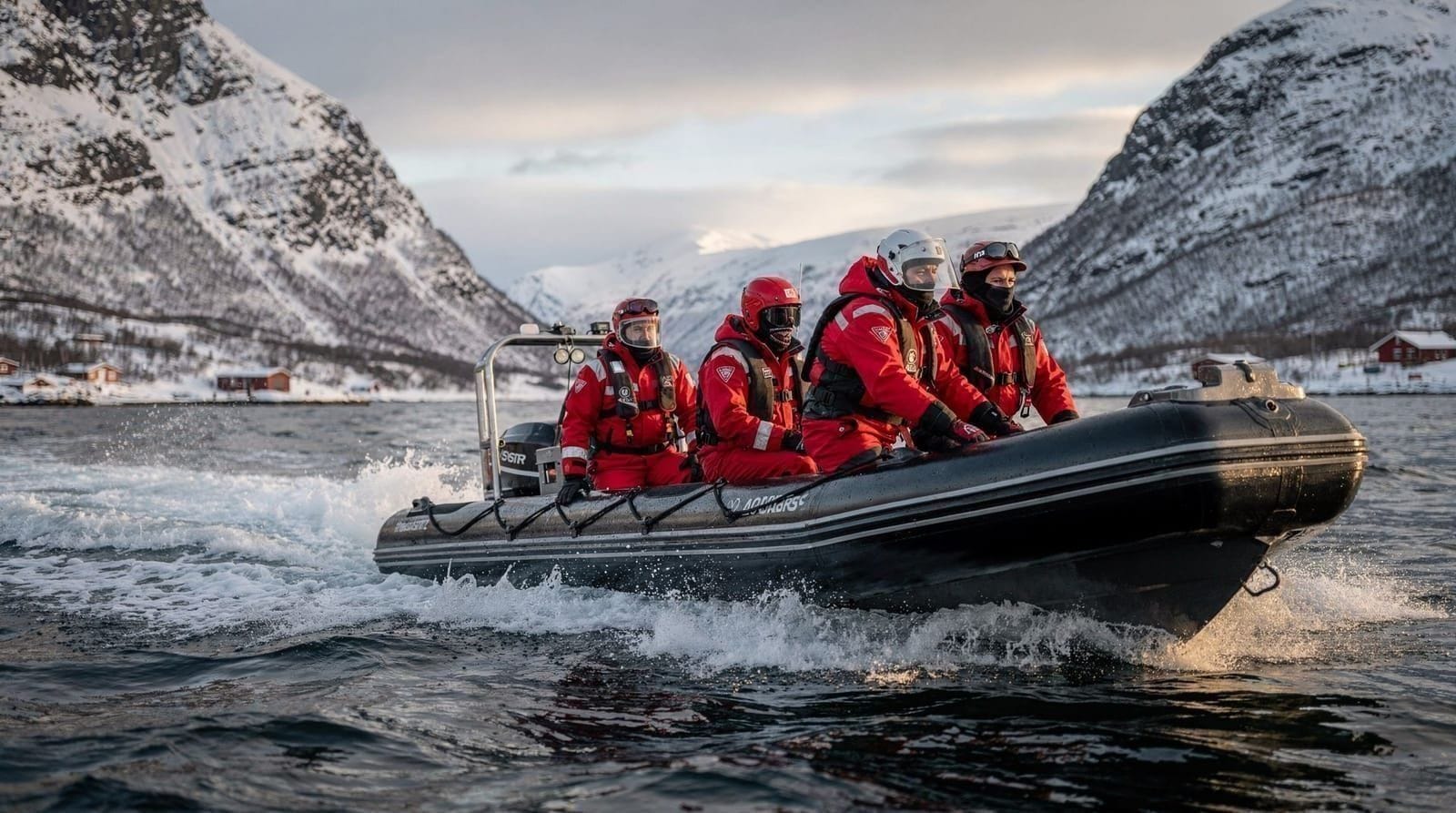
It is not an adventure activity. You are on a large, stable, heated boat. There is minimal physical exertion. If you want active engagement with the fjord, look at sea kayaking, snowshoeing, or RIB safaris.
Wildlife is not guaranteed. Sea eagles are the most reliable sight but are not guaranteed. Porpoise and seals are usually seen but are not promised. The fjord is wild; animals do what they do.
It is not a whale watching trip. If you specifically want to see whales, book a whale watching tour — a very different product that goes much further north to where the herring are. A standard fjord cruise near Tromsø does not reliably encounter whales.
The scenery is the point. The primary draw of a fjord cruise is the landscape: the combination of dark water, mountain walls, arctic sky, and coastal detail that you cannot access from land. This is consistently available and consistently impressive, regardless of season.
Seasonal differences at a glance
| Season | Light | Wildlife | Atmosphere |
|---|---|---|---|
| Winter (Nov–Jan) | Polar night or twilight | Sea eagles, seals | Dark, dramatic, atmospheric |
| Late winter (Feb–Mar) | Growing light | Eagles, seals, first birds | Snow-covered, quiet |
| Spring (Apr–May) | Long days | Eagles, seals, migratory birds | Awakening, good light |
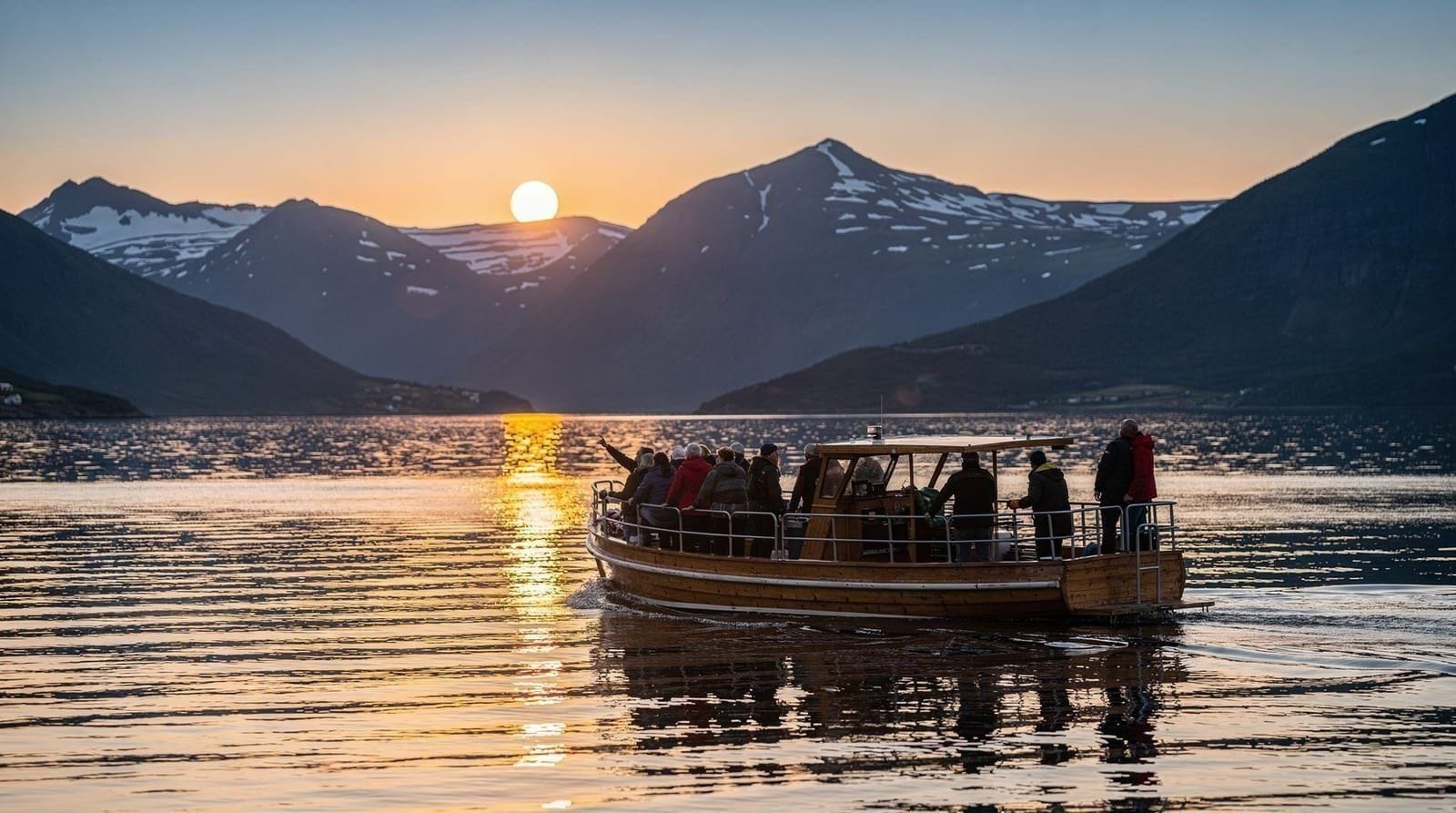
| Summer (Jun–Aug) | Midnight sun | Full bird life, seals, porpoise | Vibrant, warm (relatively) |
| Autumn (Sep–Oct) | Shortening days | Whales possible (Oct), seals | Colourful, dynamic |
What to bring
See what to bring whale watching — the packing checklist applies equally to fjord cruises. In brief:
- Warm layers regardless of season
- Windproof outer jacket and trousers for deck time
- Binoculars (8x42)
- Camera — telephoto for wildlife; wide-angle for landscape
- Your own snacks and thermos (unless premium tour includes food)
- Motion sickness medication if needed (take the night before)
Choosing between short, standard, and extended cruises
90-minute to 2-hour harbour cruise (600–800 NOK): Best for travellers with limited time, families with very young children, or those uncertain whether they want a longer trip. Less wildlife opportunity; less open-fjord scenery. Good as an introduction.
2–3 hour standard cruise (800–1,200 NOK): The right length for most visitors. Enough time to relax into the experience, encounter multiple wildlife sightings, and cover varied scenery without fatigue.
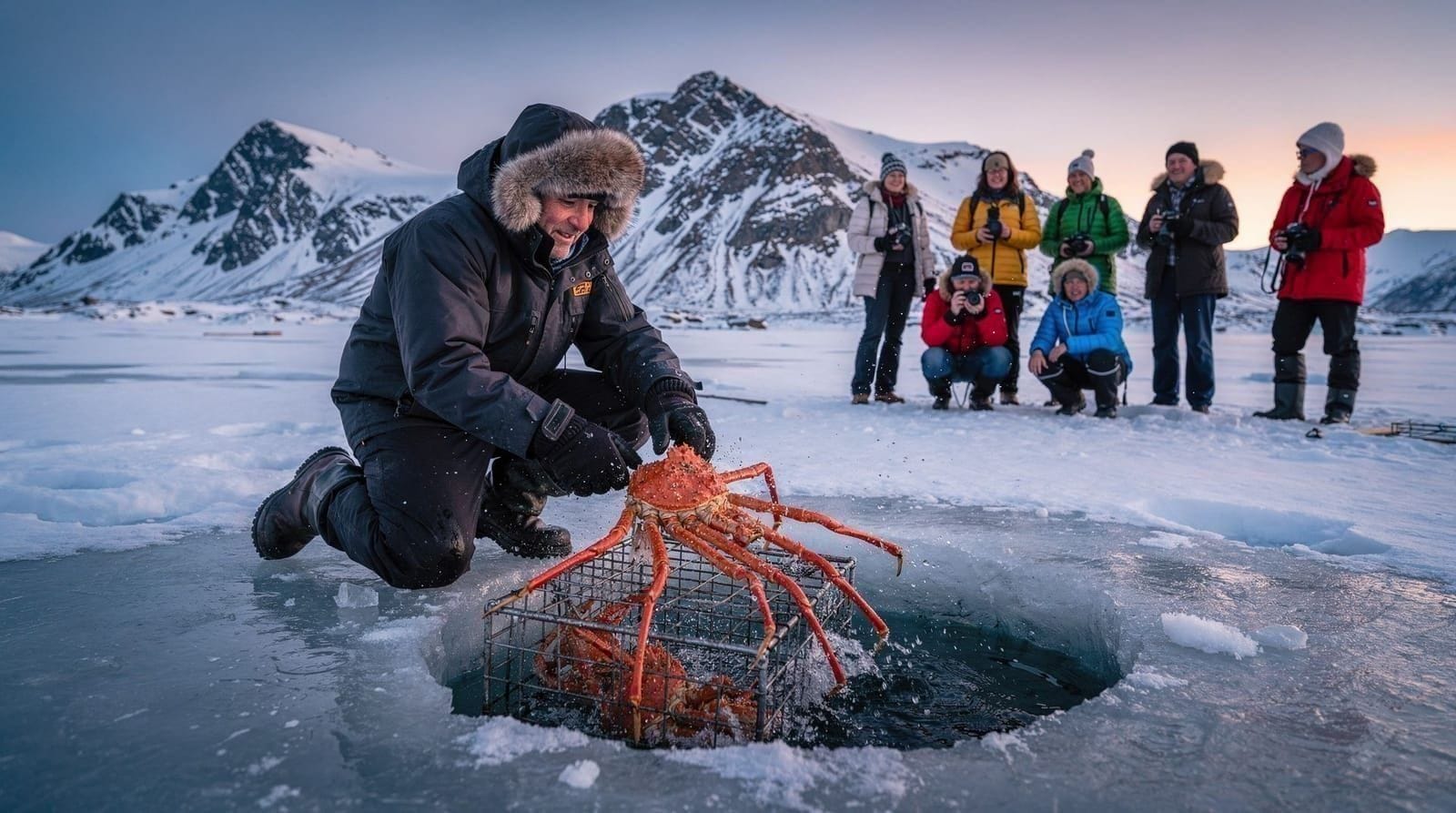
3–5 hour extended cruise or combined experience (1,200–2,500 NOK): King crab safari, dinner cruise, or combined northern lights element. Worth it if the combined experience appeals; overkill if you just want fjord scenery.
2-hour island cruise with snacks — shorter optionThe honest verdict
Fjord cruises near Tromsø are not oversold if you understand what they are. The Arctic fjord environment — the combination of mountain scale, dark water, wildlife activity, and the sense of genuine remoteness that begins just minutes from the city — is reliably impressive.
What varies is the operator quality, the guide, and the wildlife conditions on your specific day. Checking recent reviews for commentary on guide knowledge and wildlife encounter frequency is worth 10 minutes before booking.
See polar fjord cruise in winter for the dedicated winter guide, or midnight sun fjord cruise for the summer experience.
If you want something more active or more specific
A standard fjord cruise is deliberately general-purpose. If you have a specific priority, a more targeted product usually serves you better: for a food-and-scenery combination, the king crab safari pairs a shorter cruise with a hot lunch of fresh king crab. For minimal engine noise and lower environmental impact, look specifically for an operator running a silent electric fjord cruise. Neither replaces a dedicated whale watching trip if whales are your actual priority — see whale watching season in Tromsø for that separate product.
Luxury island and fjord catamaran cruise — a longer alternative with more stopsFrequently asked questions about fjord cruises near Tromsø
Do I need to speak Norwegian to enjoy the commentary?
All commercial fjord cruise operators near Tromsø provide commentary in English as standard. Most also offer Norwegian, German, and sometimes French. Ask when booking if you have a specific language requirement.
Is there parking near Tromsø harbour?
Yes. Prostneset (the main passenger harbour in Tromsø) has parking nearby, though it is metered and fills quickly in peak season. Public bus routes 20 and 42 reach the harbour from the city centre. Many operators also offer hotel pick-up — worth asking about.
How far in advance should I book?
In peak winter (November–January) and peak summer (June–July): 2–4 weeks ahead. In shoulder seasons (March–May, September–October): 1–2 weeks is usually sufficient. Walk-up booking at the harbour is occasionally possible but not reliable for popular tours.
What is the difference between a “sightseeing cruise” and a “wildlife cruise”?
Marketing language more than a real distinction. All fjord cruises near Tromsø include both scenery and wildlife opportunity. “Wildlife cruise” operators typically have a naturalist guide and may use slower routes that favour animal encounters. “Sightseeing cruise” operators may prioritise covering more ground. In practice, the actual experience often overlaps.
Are fjord cruises accessible for people with reduced mobility?
Most large catamarans have level boarding and accessible toilet facilities. Steep gangways at some harbours can be challenging for wheelchair users. Contact operators directly and explain your specific needs — many can arrange alternative boarding points or assistance. RIBs are not accessible for wheelchair users.
What is the best time of day for a fjord cruise?
In summer: late evening (21:00–23:00) for the best golden light. In winter: late morning (10:00–12:00) for the blue civil twilight window. In spring and autumn: mid-morning or mid-afternoon catches the best wildlife activity. Evening winter cruises are specifically for northern lights opportunity.
What if I specifically want to see king crab or eat well on the cruise?
Look at the dedicated king crab safari, which combines a shorter fjord cruise with a hot king crab lunch — a different product from a standard sightseeing cruise.
Is there a lower-impact, quieter cruise option?
Yes — some operators run electric or hybrid-electric boats specifically to reduce engine noise and environmental impact. See silent electric fjord cruise for which operators run these vessels.
Top experiences
Bookable activities with verified prices and instant confirmation on GetYourGuide.