Fjellheisen cable car Tromsø — tickets, times & honest tips
Tromsø: Arctic Panorama Fjellheisen Cable Car Ticket
How much does Fjellheisen cable car cost in Tromsø?
A return ticket costs approximately 150–200 NOK for adults (prices adjust seasonally). Children 6–15 pay roughly half; under-6 free. The cable car runs year-round except for maintenance periods. Queues can be 45–60 minutes in summer peak hours — arrive before 10:00 or after 18:00.
Fjellheisen is the cable car that connects central Tromsø to the Storsteinen plateau at 421 metres above sea level. It has been running since 1961 and is the most direct way to get a high-angle view of Tromsøya island, the strait, and the mountain topography that surrounds the city on every side. In clear weather, the view from the top is one of the finest in Arctic Norway — the kind of perspective that makes the geography suddenly legible.
| Where | Solliveien 12, southern edge of the city centre |
| Cost | around 150–200 NOK return, adults |
| Time needed | 4 minutes each way, 1–2 hours total with the top |
| Getting there | 10-minute walk from Stortorget, no direct bus |
| Best time | before 10:00 or after 18:00 to skip queues |
What you see from the top
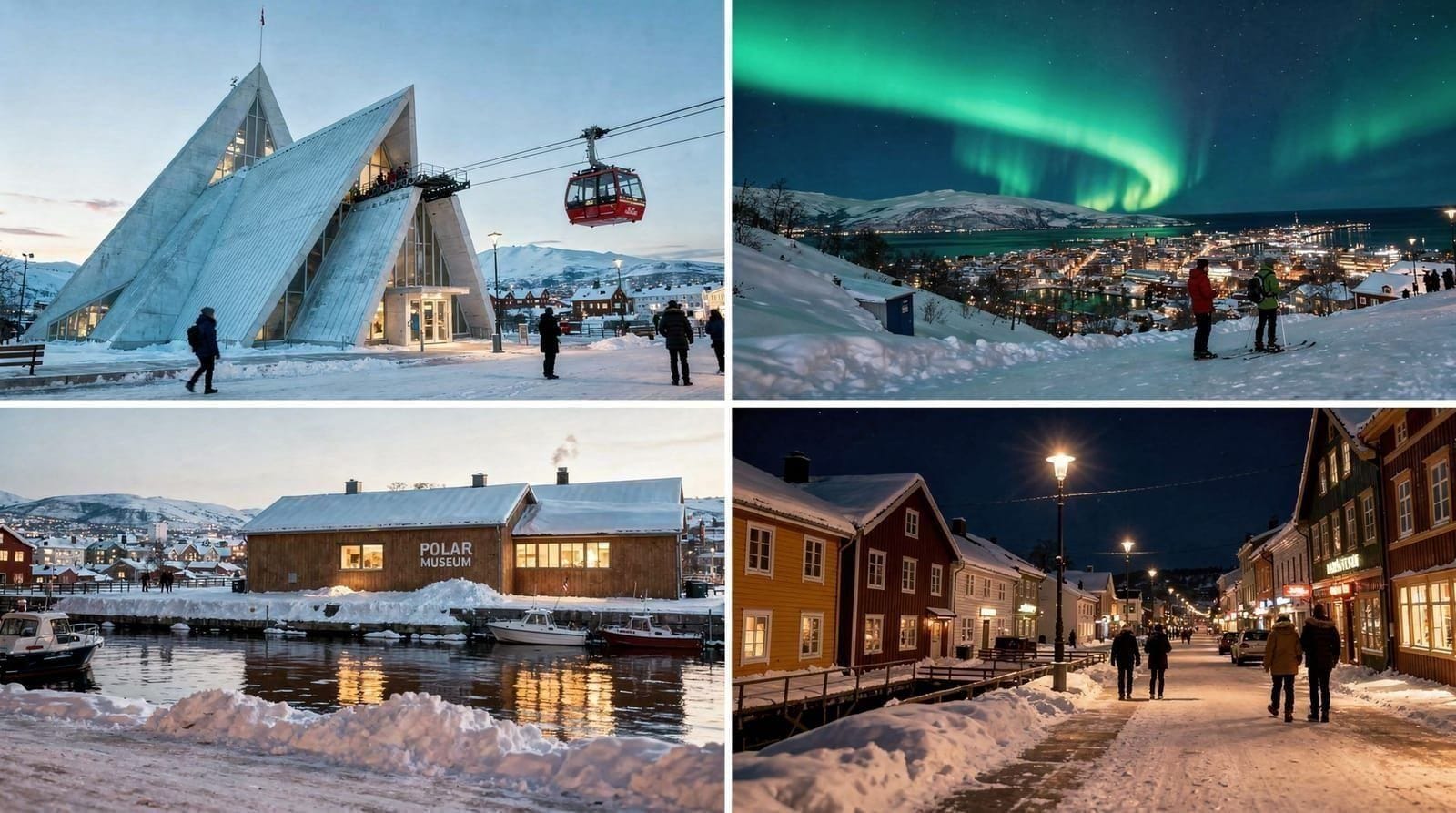
The Storsteinen plateau looks out west over the city island, north toward the fjords extending to the coast, and east into the Tromsdalstinden massif. On a clear day in winter, the mountains of Lyngen are visible about 70 km east. In summer, the midnight sun produces a full 360-degree sweep of orange and pink that sits on the horizon for hours.
The viewing platform at the top station is the most accessible viewpoint, but the plateau extends beyond it with walking trails ranging from a 20-minute circuit to the full descent via Sherpatrappa. The trails are marked and well-maintained in summer. In winter, the top station area is cleared of snow around the restaurant and viewing platform, but the trails require appropriate footwear.
The Fjellstua restaurant operates at the top and serves traditional Norwegian food — reindeer, fish, and seasonal dishes. Prices are high (300–500 NOK for a main course), which is consistent with the location. The café option offers hot drinks and pastries at more modest prices.
Tickets and queues — the honest picture
Return tickets are approximately 150–200 NOK for adults. This is competitive with similar cable car attractions in Europe. The cable car itself holds around 28 passengers and runs continuously during opening hours with departures every 15–20 minutes when demand is high.
The queue reality in peak summer: on a clear day between 11:00 and 17:00, expect 30–60 minutes at the bottom station. Arriving before 10:00 or after 18:00 cuts the wait dramatically. The late evening windows (21:00–23:00) in summer are particularly attractive — smaller queues and midnight sun at its lowest angle.
In winter, queues are shorter except on clear weekend evenings when northern lights are forecast, at which point the bottom station can back up significantly. If you are chasing aurora from the top, consider arriving at 20:00 before the KP forecast draws the crowd.
Pre-book your Fjellheisen cable car ticket via GetYourGuide — skips the ticket desk queue and useful when arrival timing is tight.
The hike alternative — Sherpatrappa
The Sherpatrappa staircase trail from the bottom station to the top was built in 2012 by Nepalese Sherpa craftsmen — hence the name. It involves approximately 1,000 stone steps and takes 45–90 minutes depending on pace and fitness. The descent on the same route takes 40–60 minutes.
Many visitors buy a one-way cable car ticket (up or down only — ask at the ticket desk) and hike the other direction. This saves approximately 75–100 NOK compared to the return ticket and adds a physical dimension to the visit. Hiking down is generally easier on the knees; hiking up is faster for the impatient.
The trail is technically straightforward but involves significant elevation gain. Appropriate footwear is essential — trail shoes or hiking boots in summer, micro-spikes in winter when ice is present. The trail is not lit, so a headlamp is useful for late evening hikes in autumn and spring.
Best times to visit
Midnight sun (late May to late July): The top station is at its most dramatic in the late evening when the sun hovers above the horizon and lights the fjords horizontally. 21:00–23:00 is the sweet spot for photographers.
Northern lights season (September–April): The elevated position above the city reduces light pollution interference, making Fjellheisen one of the better accessible northern lights viewing spots near Tromsø without driving out of the city. Clear, dark nights from November to January are the prime window.
Polar night (27 November–15 January): During the period when the sun does not rise above the horizon, the views from the top are extraordinary on clear days — complete darkness punctuated by city lights below and potentially aurora above. The restaurant is open and the atmosphere is specific to the high north winter.
An evening snowshoe and cable car combination that pairs the ascent to Storsteinen with a guided snowshoe hike in the surrounding terrain.
Getting to Fjellheisen
The bottom station is at Solliveien 12, at the southern edge of the city centre. It is about 10 minutes’ walk from Stortorget heading south and then uphill. Buses do not go directly to the station; the walk is the standard approach.
By car, there is a small car park at the base station. Parking is free but limited, and fills quickly on summer weekends.
The Storsteinen plateau in detail
The plateau at the top of Fjellheisen is broader and more varied than it appears from the cable car. The immediate area around the top station is developed — the Fjellstua restaurant, the viewing platform, cleared paths, and the cable car machinery building. But the plateau extends significantly in all directions and rewards walking beyond the crowded immediate area around the station.
The main viewing platform: Faces west and north, giving the classic view of Tromsøya island, the bridge, and Kvaløya beyond. This is where most visitors spend their time. The railings are robust and there are bench areas for sitting.
The plateau walks: Several marked paths extend from the station into the surrounding terrain. A 30-minute circuit on the plateau gives views into the Tromsdalstinden massif to the east (the peak reaches 1 238 m, visible as the large triangular mass that dominates the valley) and north toward the fjords extending to the coast. The walks are not technical but require appropriate footwear.
The restaurant and café: Fjellstua has full table service with a menu featuring traditional Norwegian dishes — reindeer, fish, and the standard range. Prices are expensive relative to city restaurants (300–500 NOK for a main) but the setting is included. The café section serves hot drinks, pastries, and lighter options at 100–200 NOK. The restaurant has a fireplace that operates in winter and creates a specific atmosphere for winter visitors.
Storsteinen in winter versus summer
The experience at the top differs substantially between seasons.
Summer: The plateau is accessible on foot in trail shoes or light hiking boots. The midnight sun means you can be there at any hour of the night. The restaurant operates full hours. Views extend to a blue sky and the colour palette of Arctic summer.
Winter polar night (November–January): The top is lit by the station lights and, on clear nights, by the aurora and stars. The temperature can be -15 to -25°C with wind chill, making proper insulation essential. The restaurant provides refuge. Snowshoeing on the plateau is popular, and the views of city lights below and potentially aurora above are specific to this season.
Spring (March–May): The snow remains but the sun is returning. The light on the snow in March is extraordinary — the low angle and high clarity produce colours and shadows that photographers travel specifically for. The cable car may close briefly for spring maintenance.
Photography at Storsteinen
The top station is one of the most photographed locations in Tromsø, and the shooting conditions are well understood among photographers who visit the city.
Wide-angle city views: From the main viewing platform, a wide-angle lens (16–24mm on full-frame) captures the complete cityscape including the bridge and Kvaløya. The best light is in the early morning (summer) or late evening. Avoid midday in summer when the overhead sun flattens the landscape.
Northern lights from the top: The elevation above the city reduces light pollution interference. Long exposures (15–25 seconds, ISO 1600–3200) on a tripod capture aurora above the city lights. A foreground element — the cable car structure, the restaurant building, or a silhouetted figure — adds scale.
Midnight sun composition: The sun at midnight in late June sits just above the northern horizon and produces warm horizontal light that shadows the bridge and the city dramatically. This is the most distinctive Tromsø photograph and is impossible to replicate at other times of day or year.
Fjellheisen cable car history
The Fjellheisen cable car was built in 1961, making it one of the older operating cable car installations in Norway. The original cabin has been replaced and the machinery upgraded, but the route and the bottom station location are the same as when it opened. For the first decade of operation, the cable car was the most efficient way for residents of the Tromsdalen side to reach the city centre — a fact that is easy to forget now that the bridge makes the journey by road straightforward.
The cable car was built partly for tourists and partly for genuine local transport needs — the same dual function many Norwegian mountain cable cars served in the mid-twentieth century. The Fjellstua restaurant at the top opened shortly after the cable car; the combination of the ride and the view became an established Tromsø evening activity within a few years of opening.
Fjellheisen versus the free alternative
If budget matters more than time, the Sherpatrappa staircase to the same Storsteinen plateau is entirely free — see our free things to do in Tromsø guide for the full comparison. Hiking up and taking the cable car down (or vice versa) is the compromise many visitors choose: pay roughly half the return fare and add a physical dimension to the visit. For a longer, guided version of the ascent that includes context on the mountain and surrounding terrain, the Fjellheisen and Storsteinen hike guide covers trail conditions season by season.
How Fjellheisen fits into a wider Tromsø visit
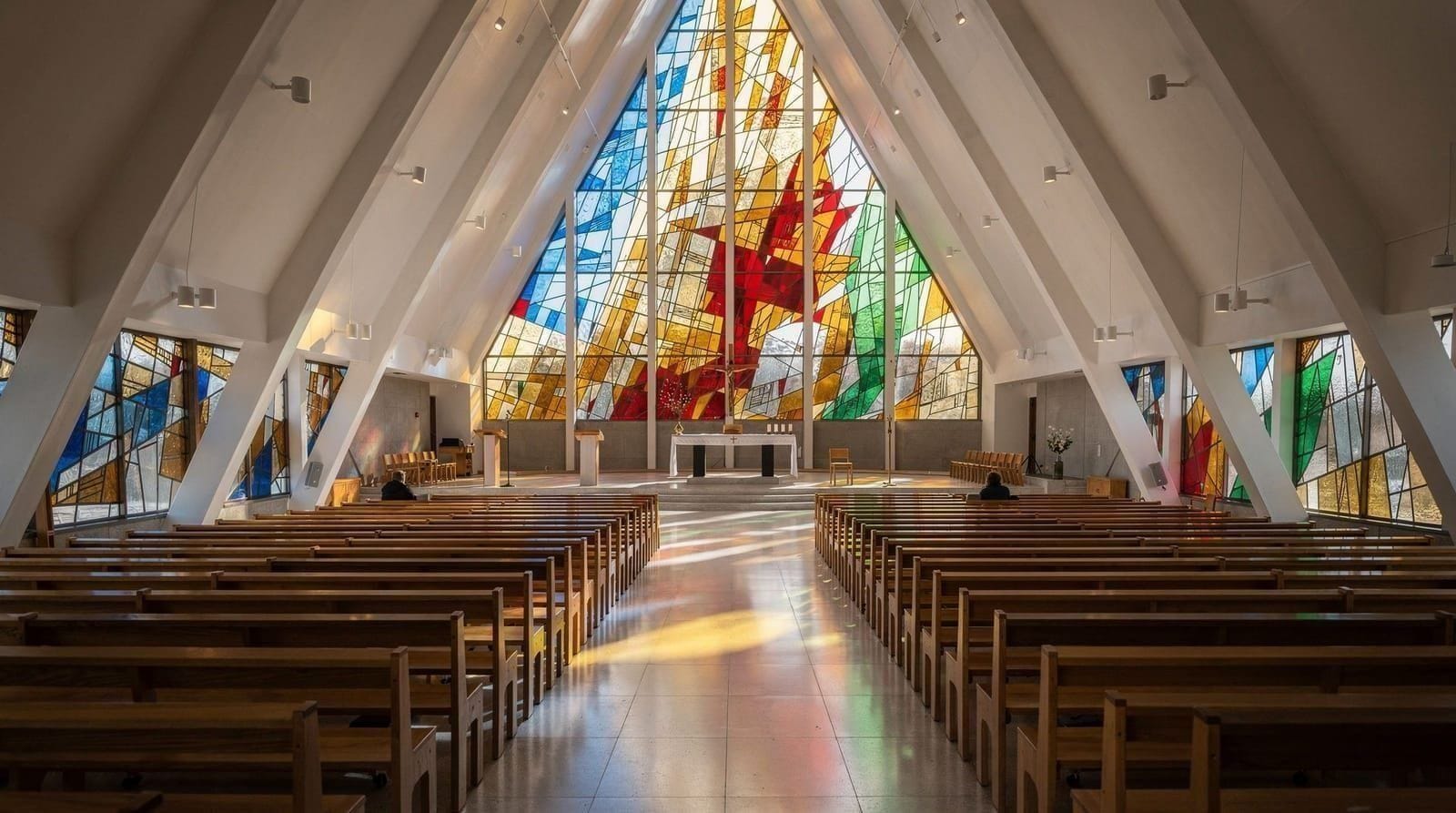
Most first-time visitors do Fjellheisen on their first or second day, since the panorama makes the rest of the city’s geography easier to understand — see it before, not after, a Tromsø in one day itinerary. It also pairs naturally with the Arctic Cathedral, which sits on the same side of the bridge in Tromsdalen — many visitors do both in a single afternoon, then wind down with a walk along Storgata back in the city centre. If you are counting your krone, check the free things to do in Tromsø guide before buying tickets: the Sherpatrappa hike reaches the identical viewpoint for nothing but time and effort.
Fjellheisen cable car ticket with return minibus transfer from the city centreFrequently asked questions about Fjellheisen cable car
Does Fjellheisen run during the northern lights season?
Yes — Fjellheisen operates year-round. In winter the cable car runs until 23:00 on most evenings, which covers the main aurora activity window. The top station restaurant and bar are also open in the evening, making it a viable base for northern lights watching on clear nights.
What should I wear for Fjellheisen?
Dress warmer than you think necessary. The temperature at the top is typically 5–10°C colder than in the city, and the wind on the exposed plateau can feel extreme. In winter, full cold-weather gear (insulated jacket, waterproof trousers, gloves, hat) is essential even on relatively mild city days.
Can you hike from the top of Fjellheisen further into the mountains?
Yes — from the Storsteinen top station, marked trails continue into the mountains. The route to Tromsdalstinden (1 238 m) starts from the plateau. This is a serious mountain hike requiring experience and appropriate equipment. Day visitors using Fjellheisen typically stay on the plateau trails.
Is Fjellheisen accessible for wheelchair users?
The cable car itself is accessible. The viewing platform at the top is accessible. The hiking trails are not suitable for wheelchairs. A specialised accessible tour including Fjellheisen is available from Tromsø Accessible Tours.
Is there a transfer option to Fjellheisen from the city centre?
Yes — some GetYourGuide listings include a transfer to the cable car base station, which is useful if you have luggage or limited mobility. The walking distance is around 15–20 minutes from the main hotel area.
How often does the cable car run?
During peak hours, departures are approximately every 15–20 minutes in each direction. In off-peak hours (early morning, late evening), the frequency may reduce. The cable car has a capacity of around 28 passengers per run.
What happens if the cable car is closed for maintenance?
Fjellheisen typically closes for annual maintenance in May or October for 2–4 weeks. Check the Fjellheisen website before planning your visit around this specific attraction.
Is it cheaper to hike up instead of paying for the cable car?
Yes — the Sherpatrappa trail to the same summit is free, taking 45–90 minutes depending on fitness. See our free things to do in Tromsø guide for the full comparison, including one-way ticket options that split the cost between hiking and riding.
Does Fjellheisen work well combined with the Arctic Cathedral?
Yes — both sit on the Tromsdalen side of the bridge, within a short taxi ride of each other, and many visitors combine them in a single afternoon along with a walk across the Tromsø Bridge.
Top experiences
Bookable activities with verified prices and instant confirmation on GetYourGuide.