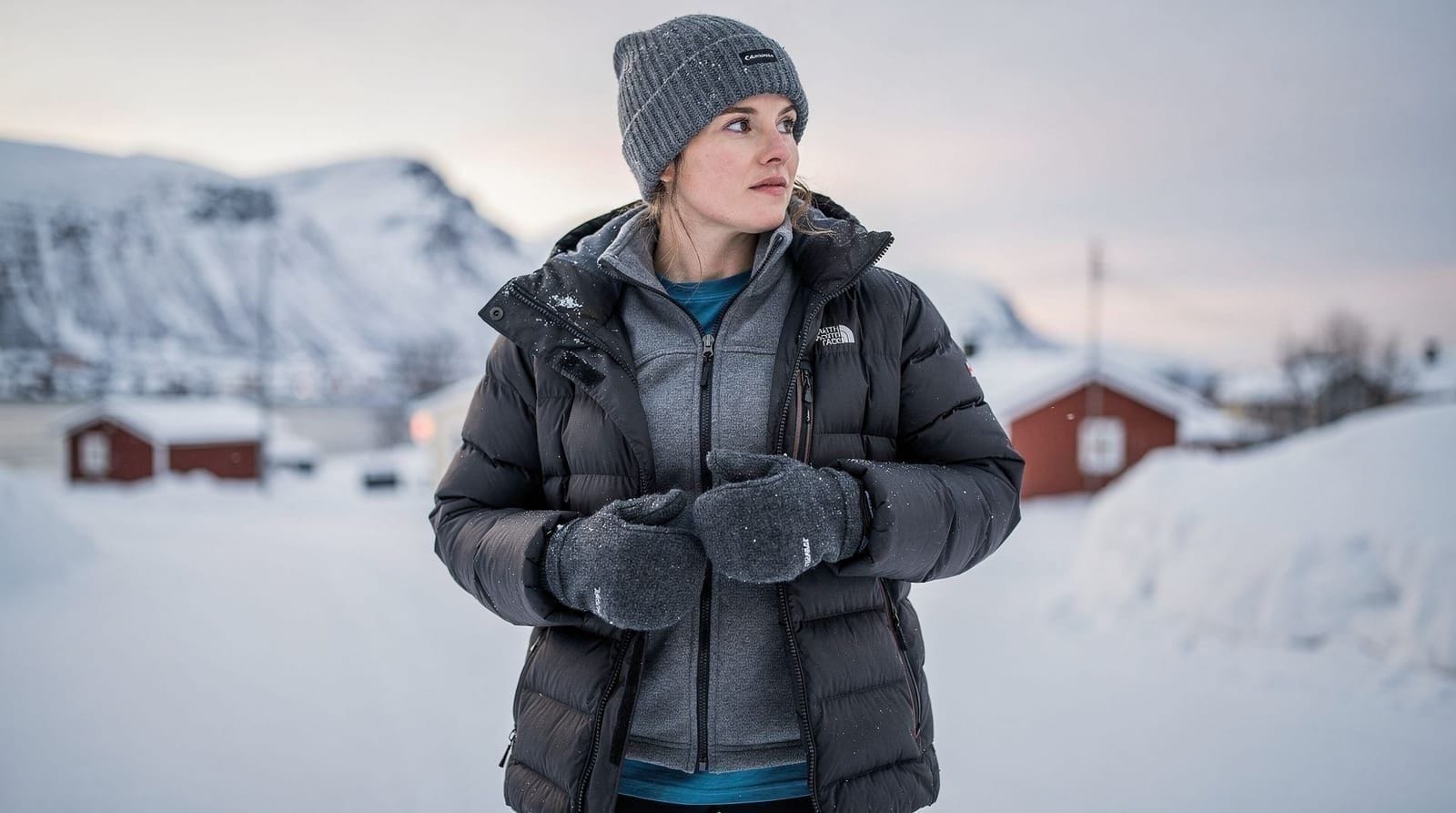
What to wear dog sledding in Tromsø
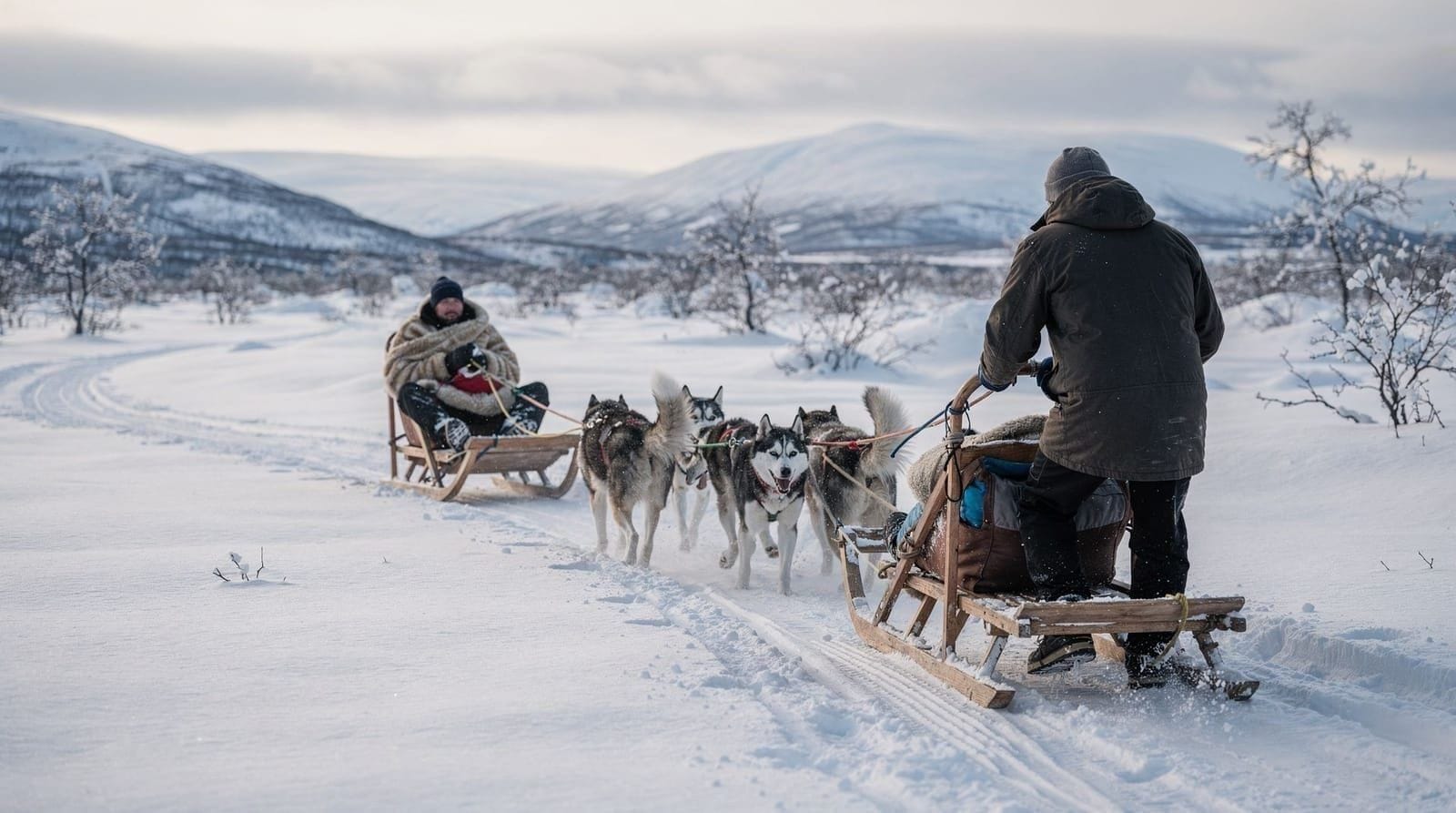
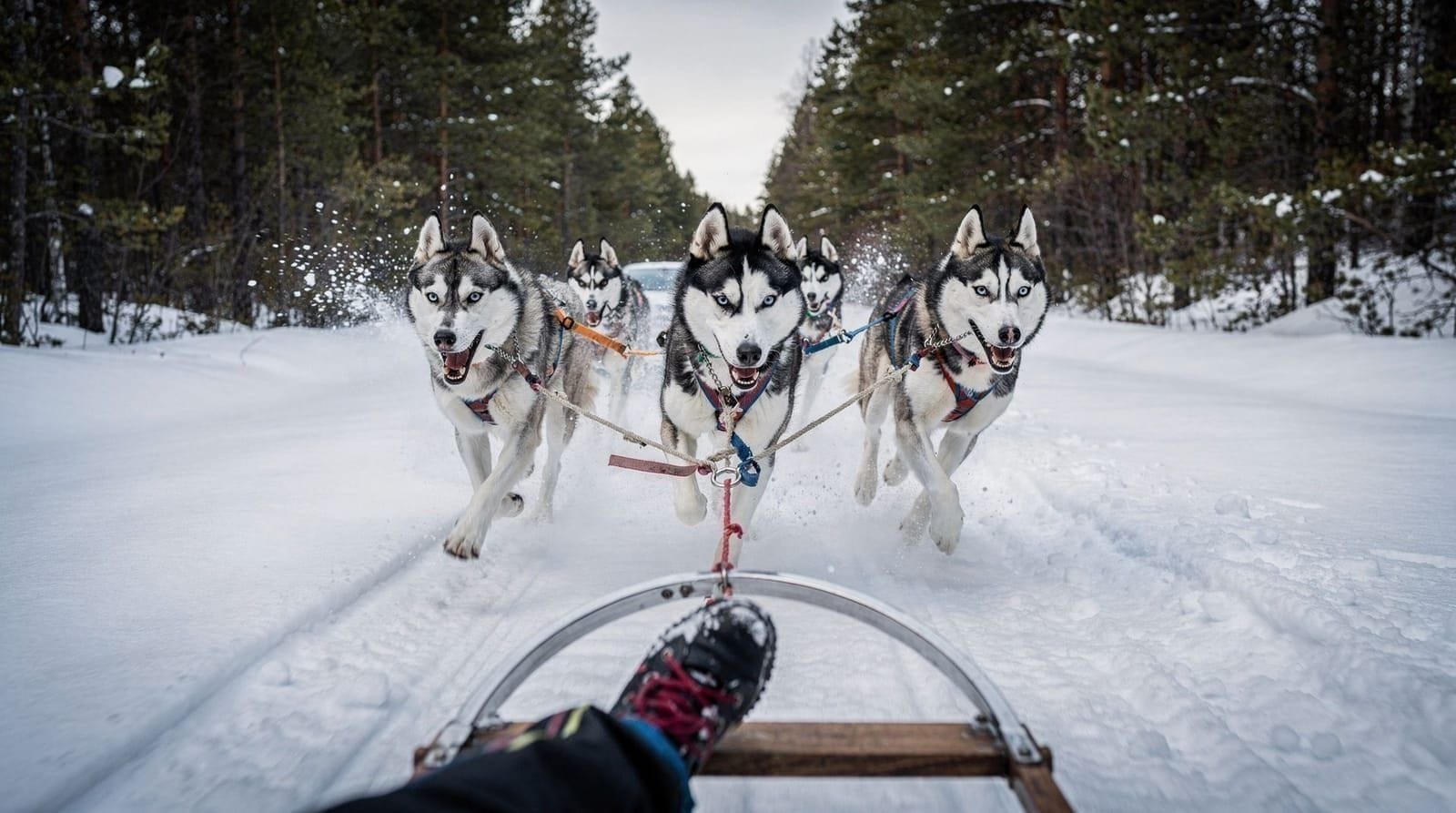
Tromsø: Self-Drive Husky Dog Sledding Adventure
What clothing do I need for dog sledding in Tromsø?
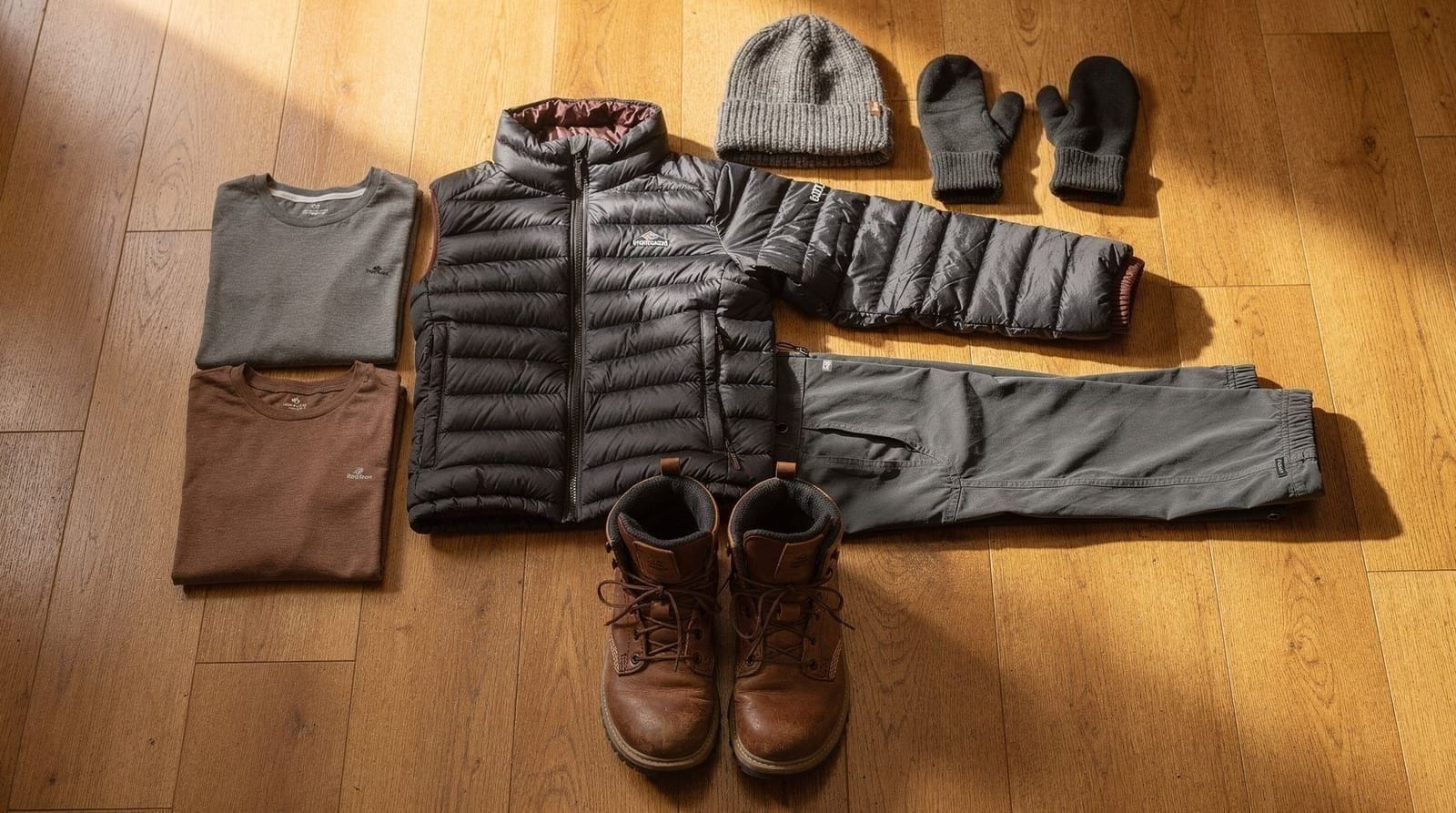
Operators provide outer thermal suits, helmets, and mittens. You must bring merino or synthetic thermal base layers (top and bottom), mid-layer fleece or down, balaclava or neck gaiter, and inner gloves. No cotton. Temperatures range from -5°C to -25°C; mushers face wind chill on top of that.
Quick answer: Operators provide the outer suit, helmet, and mittens. Bring merino or synthetic thermal base layers, mid-layer fleece or down jacket, balaclava or neck gaiter, and inner gloves. No cotton. Self-drive riders face 15–20 km/h wind chill on top of ambient temperatures that frequently reach -15°C to -20°C.
| Operator provides | Outer suit, helmet, mittens, outer boots |
| You bring | Base layer, mid layer, balaclava, inner gloves, socks |
| Temperature range | -5°C to -25°C, wind chill to -30°C self-drive |
| Rest stop | Usually 45 min–1 hour into a 2–3 hour run |
| Local gear shops | Intersport, Sporten, XXL on/near Storgata |
Why dog sledding demands more layers than most Arctic activities
Standing on a moving sled for 1–3 hours is categorically different from walking tours, bus excursions, or even snowshoeing. The reasons:
- You generate almost no body heat. Unlike snowshoeing, skiing, or hiking, mushing involves light physical activity (balance, occasional jogging) interrupted by long stationary periods on a moving platform.
- Wind chill is significant. Sleds travel at 15–25 km/h. At -15°C ambient temperature, that creates effective wind chill of -25°C to -30°C on exposed skin.
- You cannot stop and warm up easily. You are in a convoy; stopping mid-trail disrupts the whole group.
- Passengers have it colder than mushers. Sitting in the basket means zero movement and more wind exposure at the front of the sled.
The only warming opportunity is the mid-tour rest stop at a heated cabin — typically 45 minutes to 1 hour into a 2–3 hour run. Plan your layers for the sections between stops, not just for the moment you step off the minibus.
What operators provide (and what they do not)
Almost all Tromsø dog-sled operators provide:
- An insulated outer suit — either a one-piece salopette or separate jacket and trousers
- Outer over-mittens designed for extreme cold
- A helmet (required for all riders)
- Outer footwear (usually feltboots or moon boots in various sizes)
They do not provide:
- Base layers
- Mid layers
- Inner gloves to wear under the mittens
- Balaclava or neck gaiter
- Thermal or wool socks
- Ski goggles or eye protection
This means arriving in summer clothes expecting the operator to cover everything is a significant mistake. Some operators stock emergency layers, but quality and fit cannot be guaranteed.
The complete layer-by-layer guide
Base layer (skin contact)
Material: Merino wool or technical synthetic (polyester). Never cotton.
Why: Cotton absorbs sweat and moisture from your skin and loses all insulating value when damp. In Arctic temperatures this creates a real hypothermia risk. Merino wool stays warm when damp and feels comfortable against skin; technical synthetics dry faster.
What to wear: Merino or synthetic thermal top and bottom. These should be close-fitting but not tight enough to restrict circulation.
Brands that work: Woolpower, Devold, Icebreaker (merino); Patagonia Capilene, Helly Hansen Lifa (synthetic). Mid-range alternatives at H&M or Uniqlo Heattech can work for milder days but are not adequate at -20°C.
Mid layer
Material: Fleece or light down.
Why: Insulation. This is what traps warm air between your base layer and the operator’s outer suit.
What to wear: A fleece jacket (200–300 weight) or a light down jacket. Do not combine both if you are also wearing the operator’s suit — you will overheat in the heated minibus and then struggle to regulate on the trail.
Tip: Zip-front mid layers are better than pullovers so you can ventilate on the bus.
Outer layer
Provided by the operator. This is the one-piece insulated suit or jacket-plus-salopettes in synthetic fill or wool blend. It will be rated for low temperatures. Wear it as instructed — do not skip it in favour of your own ski jacket unless the operator specifically says this is acceptable.
Balaclava and neck gaiter
Critical item #1 for self-drive riders. A balaclava covering your chin, cheeks, and ears, leaving only your eyes exposed, eliminates the wind-chill risk to your face. A neck gaiter pulled up over your nose as an alternative — but less protection than a proper balaclava.
Passenger riders also benefit from face coverage, especially in the sled basket where wind comes from the front. If you forget this one item, the rest of your layering will not compensate.
Headwear
A warm hat under the helmet is essential. The helmet itself provides impact protection but limited thermal insulation. A fitted beanie that covers your ears fully, worn under the helmet, is the standard setup.
Gloves and mittens
Inner gloves: Your own lightweight gloves worn inside the operator’s outer mittens. This dual-layer system keeps hands warm through the rest stop when you remove the outer mittens, and gives you the dexterity to use your phone or camera without fully exposing your hands.
Operator mittens: Large, insulated, often lobster-claw style. Excellent for sled-running, useless for anything requiring fine motor control.
What not to bring: Thin dress gloves alone, or ski gloves without a backup inner layer.
Socks and footwear
Wool or thermal socks — one or two pairs depending on foot-warmth preferences. Operator boots will be sized to fit over thick socks. If you are known to have cold feet, bring chemical foot warmers that activate by exposure to air — slide them into your socks before putting on the boots.
Footwear tip: Avoid lace-up boots with metal eyelets — metal conducts cold. The operator’s feltboots or moon boots are typically slip-on and much better thermal performers.
Eye protection
Goggles for self-drive riders, especially at temperatures below -10°C. The combination of wind, speed, and occasional snow spray from the dog team makes eye protection genuinely necessary, not just comfortable.
Wraparound sunglasses work on milder days or for passenger riders in an enclosed basket.
Does self-drive or passenger riding need different clothing?
The core layering system is identical, but the wind chill exposure is not. Self-drive mushers stand upright on the runners in full wind for the entire run, while passengers sit low in the basket, partly sheltered by the sled sides and often by a blanket the operator provides. If you are deciding between the two formats, see the self-drive vs passenger comparison — but regardless of which you choose, do not skip the balaclava, since wind exposure at the front of the sled affects passengers too.
If you are booking through Camp Tamok, note that the mid-tour warm-up stop is at a heated lavvo rather than a cabin — the same clothing advice applies, but bring a thermos, since hot drinks at the stop are not always unlimited.
Tromsø self-drive husky adventure — operator provides outer suit, helmet, and mittens; they will brief you on what to bring for base layersSpecial considerations for children
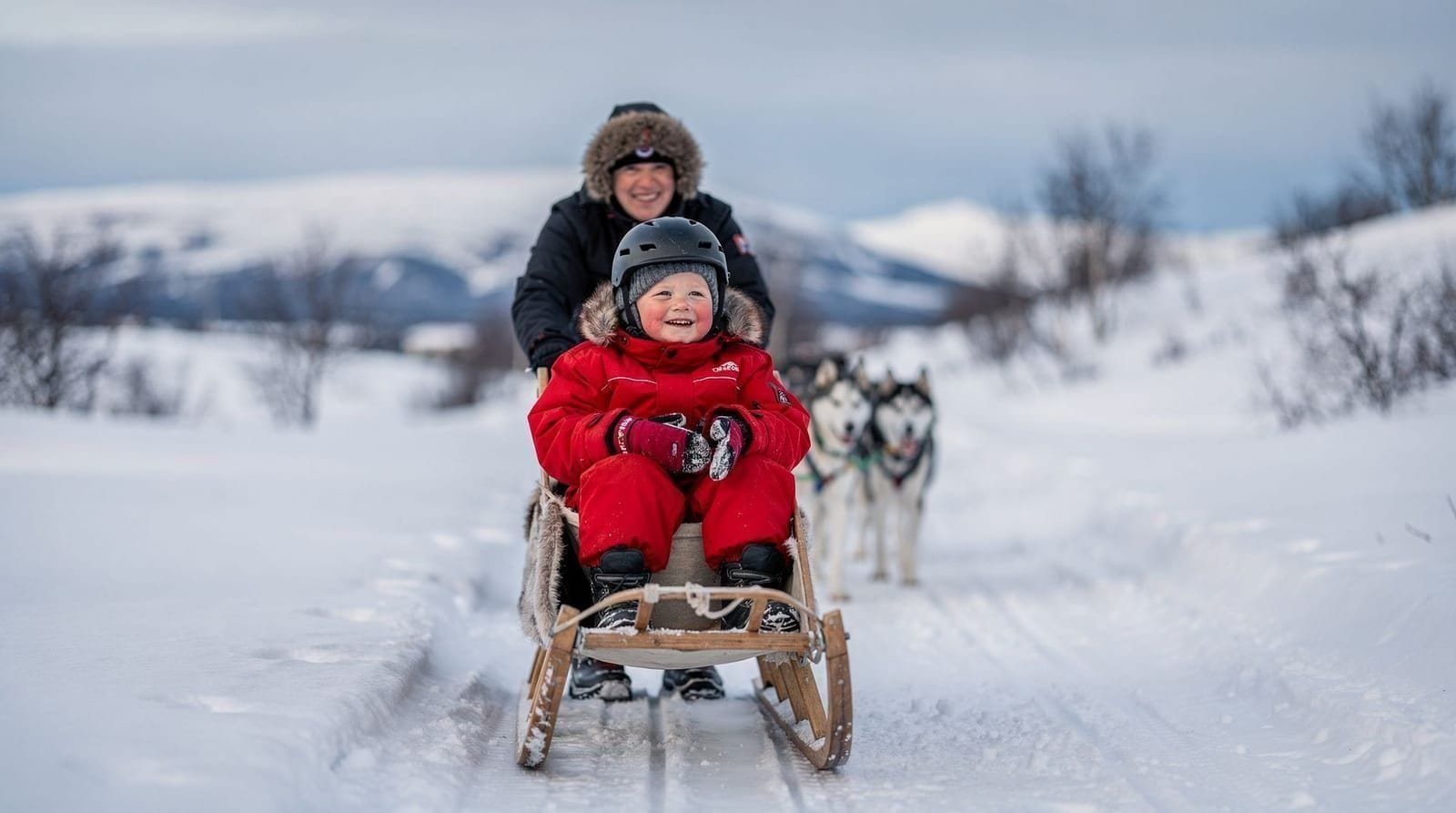
Children lose heat faster than adults. Everything above applies, but with higher margins:
- Bring one extra wool layer for each child
- Always bring chemical hand warmers — tuck one in each of your child’s mittens before the tour begins
- Bring a small thermos with warm (not hot) liquid
- Check that the operator’s children’s suits actually fit — some kennels have limited children’s sizes
Full guidance in our dog sledding with kids guide.
Camera and phone management in the cold
Battery drain in extreme cold is dramatic. A fully charged smartphone can lose 80% battery in 15–20 minutes at -20°C if left exposed. Solutions:
- Keep the phone in an inner jacket pocket against your body until you actively want to photograph
- Use a wrist strap or hand strap so you cannot drop the phone while the sled is moving
- Bring a small portable charger (also kept warm in an inner pocket)
- If you use a dedicated camera, bring spare batteries kept warm in an inner pocket and swap as needed
Mirrorless cameras with larger batteries (Sony A-series, Canon R-series) handle cold better than smartphones. GoPros in their protective cases hold up well. Compact cameras with small batteries deplete fastest.
The one thing you will probably forget
Lip balm. The combination of dry Arctic air and wind produces severely chapped lips after 20 minutes on a sled. Bring it and apply before you leave the minibus. This is a small detail that makes a noticeable difference to comfort.
Packing checklist
You bring:
- Merino or synthetic thermal top and bottom (no cotton)
- Mid-layer fleece or light down jacket
- Balaclava covering chin, cheeks, and ears
- Warm hat fitting under a helmet
- Inner gloves
- Two pairs wool or thermal socks
- Ski goggles or wraparound sunglasses (self-drive especially)
- Chemical hand warmers (2–4 pairs)
- Lip balm
- Phone/camera with wrist strap; spare batteries in inner pocket
- Small thermos with warm drink
Operator provides:
- Outer insulated suit
- Helmet
- Outer mittens
- Outer boots
More general winter packing advice in the Tromsø packing guide and what to wear in Tromsø in winter.
Husky experience with hot drinks at Breivikeidet — hot chocolate at the rest stop helps offset the mid-trail coldFrequently asked questions about what to wear dog sledding
Do operators provide all the gear?
They provide the outer layer (suit, helmet, mittens) and outer boots. You must bring base layers, mid layer, balaclava, inner gloves, and thermal socks.
Can I wear my ski jacket instead of the provided suit?
Usually not — the operator’s suit goes on top of or replaces your ski jacket. Wear your ski gear as mid layer underneath.
Why is a balaclava so important?
Self-drive mushers face 15–20 km/h wind while standing on the runners. At -15°C this creates effective wind chill of -25°C or colder on exposed skin. A balaclava eliminates this risk.
What footwear works best?
The operator’s boots plus wool or thermal socks. Add foot warmers if you run cold. Avoid metal-eyelet boots.
Do I need goggles?
Yes for self-drive riders at temperatures below -10°C. Wraparound sunglasses work on milder days.
What should I not wear?
Never cotton as a base layer. Jeans are particularly bad. Avoid fashion boots and tight-fitting clothes.
What about phone batteries in the cold?
Keep the phone against your body in an inner pocket. Batteries drain rapidly at -20°C — you may lose 80% charge in 15–20 minutes of exposure.
Do self-drive and passenger riders dress differently?
The layering system is the same, but self-drive riders face more sustained wind chill standing on the runners. See the self-drive vs passenger comparison for the full experience breakdown.
Is the clothing different at Camp Tamok specifically?
Not fundamentally — the same layering applies. See the Camp Tamok dog sledding guide for what to expect at the mid-tour warm-up stop there.
Top experiences
Bookable activities with verified prices and instant confirmation on GetYourGuide.