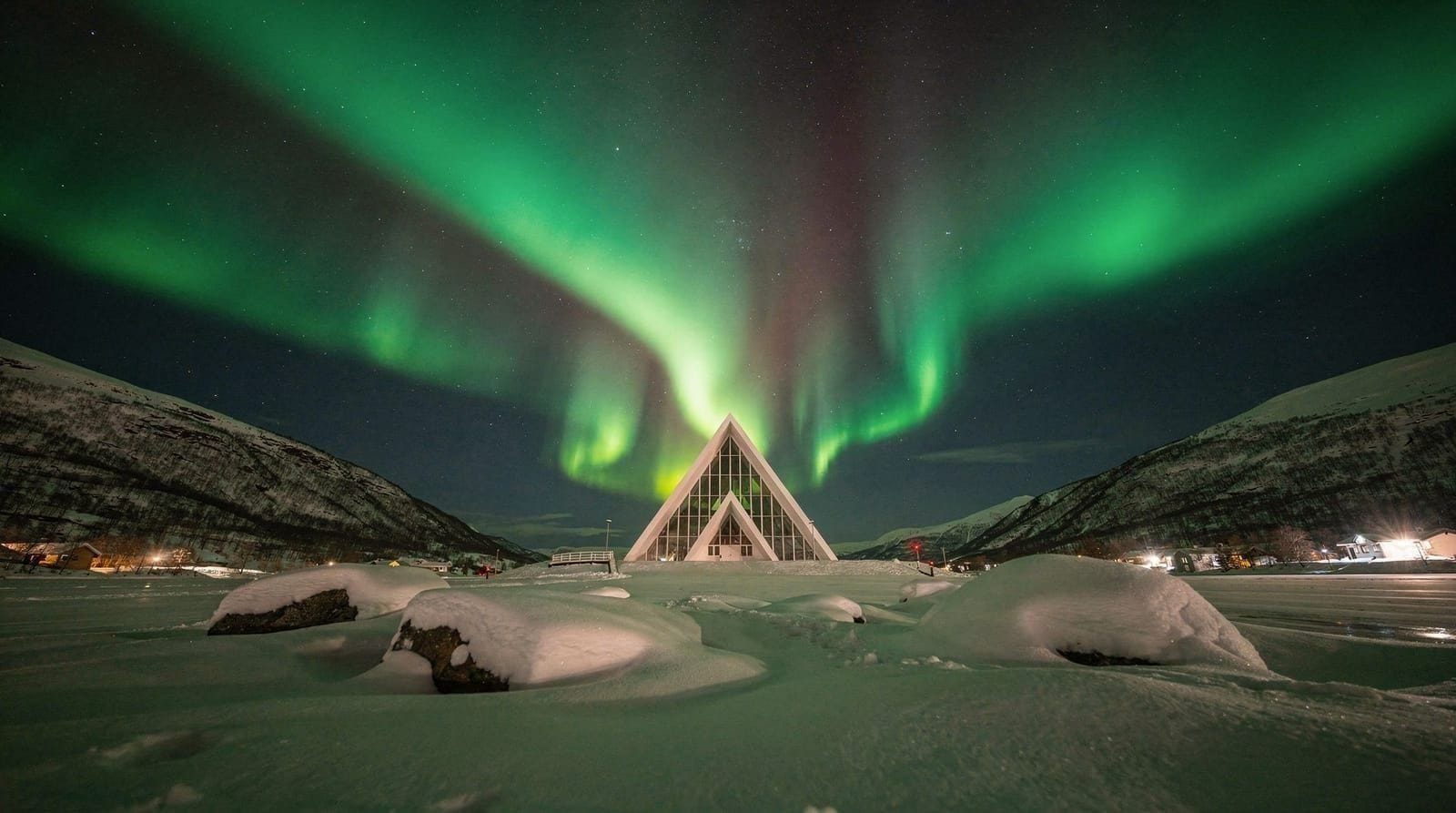
What age is right for a northern lights trip with children?
From Tromsø: Camp Tamok Reindeer Sledding & Ice Domes Visit
What age is the right age to take children to see the northern lights?
There is no magic age — a 5-year-old who stays up late and remembers vivid experiences may have a better time than a 10-year-old who hates the cold. Practically, ages 8–12 tend to get the most out of a dedicated aurora trip because they have the patience to wait, the emotional vocabulary to process the experience, and the memory consolidation to retain it. Under-5s often sleep through aurora events entirely.
Quick answer: There is no single right age — it depends on the child. Ages 8–12 tend to get the most from a dedicated aurora trip (enough patience to wait, strong enough memory to retain it). Under-5s often sleep through aurora events. The critical variable is managing expectations honestly, both yours and theirs.
| Sweet spot age | 8–12 (patience + memory retention) |
| Tour cost | 1,800–2,500 NOK/adult, 800–1,200 NOK/child |
| Typical return time | 01:00–03:00 (ask about early-departure options) |
| Under 3 | No lasting memory forms — trip valid for other reasons |
| Best backup plan | Self-guided watching from near your accommodation |
The honest question most aurora guides do not ask
Most guides on northern lights experiences focus on when to go (aurora season), where to go, and what to wear. Very few ask the more personal question: who is this experience actually for, and will the person you bring with you be able to receive it?
This is the relevant question when bringing children. The northern lights are weather-dependent, time-dependent (typically late evening to early morning), and require standing outdoors in extreme cold in darkness. For an adult who has planned and anticipated the trip, all of this is manageable. For a 4-year-old who needs to sleep by 20:00, most of these requirements are in direct conflict with their basic biological needs.
Being honest about this before you book saves significant disappointment and money.
Memory and age: the developmental picture
Under 3: No lasting autobiographical memory of aurora is possible. This is not a judgment — it is developmental biology. If you want to bring a very young child on a trip to Tromsø because you love Tromsø and want to bring your baby, that is entirely valid. The aurora will not feature in their memory regardless of how spectacular it is.
Ages 3–5: Basic autobiographical memories begin forming, but they are fragile and context-dependent. A 4-year-old who sees a vivid green aurora display and then has that experience talked about, photographed, and reinforced over subsequent years may retain something. A 4-year-old who is dragged outside at midnight for 15 minutes of looking at a sky while cold and confused will retain nothing positive.
Ages 6–8: More reliable episodic memory, but still dependent on emotional context and reinforcement. A well-prepared child of this age who understands what they are waiting for and is properly dressed against the cold can have a genuinely memorable aurora experience. The limiting factor is stamina and patience — waiting for 2+ hours in cold darkness is difficult.
Ages 8–12: The sweet spot for most families. Children in this range have the patience to understand and participate in the chase, the emotional vocabulary to express what they are experiencing, and the memory consolidation to retain the event for years. They are also old enough to learn from the aurora forecast guide and feel involved in planning.
Ages 13+: Teenagers who are interested in the trip will have an excellent experience. Teenagers who are not interested in it and have been brought along as part of a family holiday need an activity investment that makes the late nights worthwhile — the dog-sled tour by day and aurora tour by night combination tends to convert skeptical teenagers effectively.
Age group summary
| Age | Memory retention | Patience for waiting | Best format |
|---|---|---|---|
| Under 3 | None forms | N/A | Trip valid for other reasons; do not plan around aurora |
| 3–5 | Fragile, needs reinforcement | Low | Self-guided, brief outdoor checks |
| 6–8 | More reliable | Moderate | Early-departure tour or self-guided |
| 8–12 | Strong, lasting | Good | Dedicated guided aurora tour |
| 13+ | Adult-level | Good if genuinely interested | Guided tour paired with a daytime activity |
Pairing aurora with daytime activities
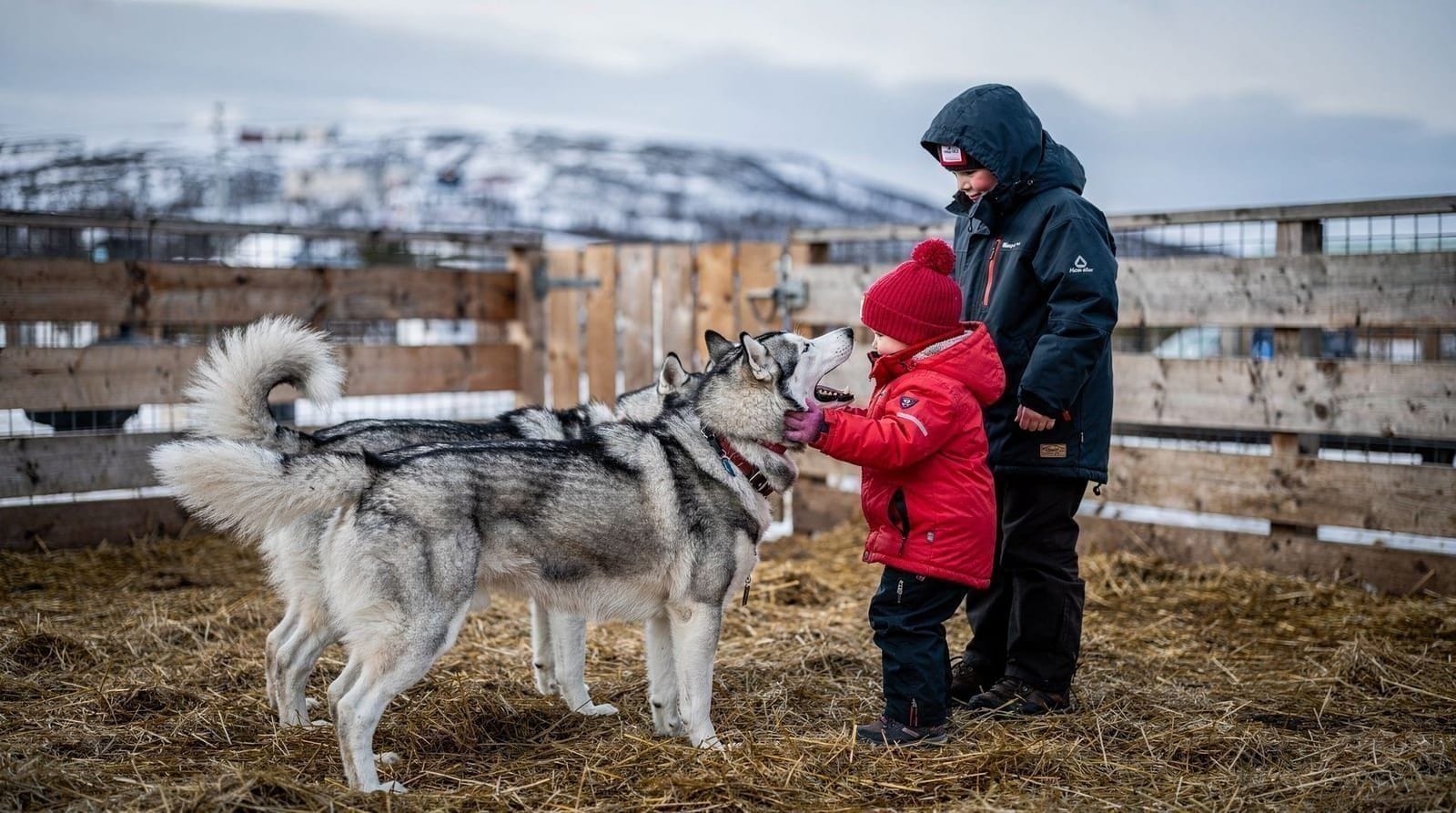
For families with children of any age, a night built entirely around a low-probability event is a fragile plan. The families who report the best overall trips pair the aurora attempt with a daytime activity that is worthwhile regardless of what the sky does that evening. Reindeer feeding and gentle husky kennel visits work well for younger children — see the husky for families guide — while older children and teenagers get more out of a full dog-sled tour earlier the same day, covered in the Tromsø with kids in winter guide. This way, even a cloudy night does not sink the day.
Timing: the core challenge for families
Most aurora tours from Tromsø depart between 20:00 and 22:00 and return between 01:00 and 03:00. This timing reflects the most active aurora window (peak activity in the Northern Lights is typically 22:00–01:00) but is genuinely incompatible with the sleep schedules of children under 8.
Options for managing this:
Early-departure tours: Some operators offer tours departing 18:30–19:00 that return by 22:30–23:30. These are better for children aged 6–10 who can extend their bedtime by an hour or two but not until 03:00. Ask specifically for early-departure aurora tours when booking.
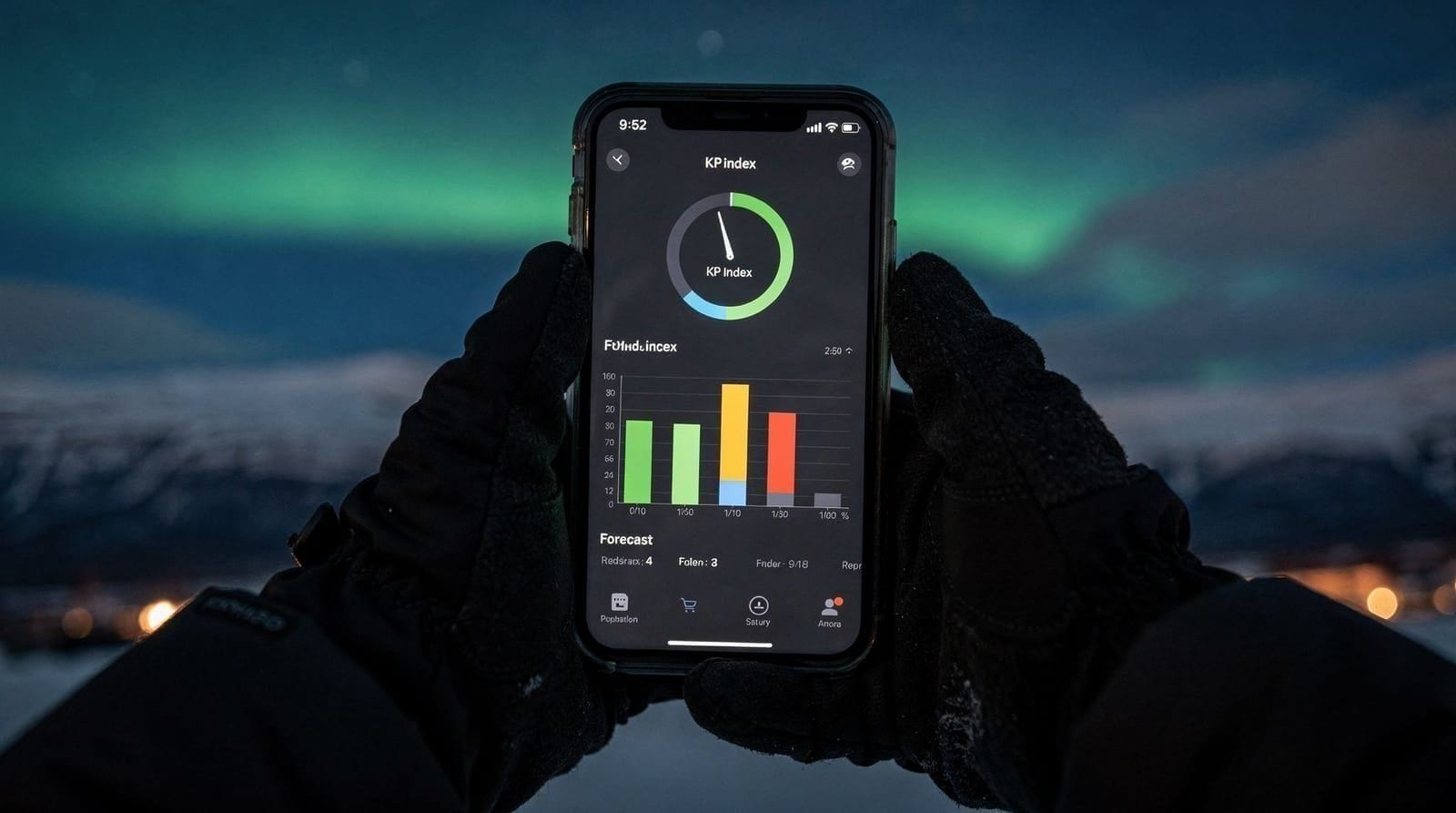
Aurora from the hotel area: If aurora activity is strong (KP 4 or above), the lights can be visible from anywhere with a clear northern sky, including near your accommodation. This means you do not need to commit to a 5-hour tour — you can check the sky at 21:00 from outside your hotel, bring children out briefly if the aurora is active, and return them to bed within 30–45 minutes.
Accepting that you might see it, they might not: On a night with active aurora at 23:00, you can let children sleep and see it yourself. Tell them about it in the morning, show them the photos, and let them experience your genuine excitement. This is a valid outcome — not a failure.
The cold management problem
Standing in -15°C for 30–60 minutes while waiting for the aurora to develop is the physical challenge that most families underestimate. Adults can manage this with proper layering; children lose heat faster and have less tolerance for sustained cold-related discomfort.
Essential items for children watching aurora outdoors:
- Merino or synthetic thermal base layers (no cotton)
- Mid fleece or down layer
- Outer insulated suit (or high-quality ski jacket and salopettes)
- Balaclava covering chin and ears
- Inner gloves under outer mittens
- Chemical hand and foot warmers (activate before leaving the accommodation)
- Thermos of warm drink per child
The hand warmers are particularly important for children waiting in cold darkness — the physical comfort of a warm hand in a mitten at -15°C significantly extends how long a child can comfortably wait.
Guided tour or self-guided aurora watching?
Guided aurora tours (1 800–2 500 NOK per adult, children often 800–1 200 NOK):
Advantages: The guide chases clear sky using regional forecasts and local knowledge, dramatically improving the odds of seeing aurora versus staying in one location. A guide also provides educational context, photography assistance, and hot drinks mid-tour.
Disadvantages: The late return time (typically 01:00–03:00) and the confined minibus environment can be difficult for young children.
Self-guided from accommodation or viewpoints:
Suitable for families with children under 6 or children who do not respond well to late nights. Check the aurora forecast daily. On nights with KP 3+ and clear skies in the Tromsø area, step outside at 21:00 and check north. If aurora is active, bring children out briefly. If not, go to bed and try tomorrow.
This approach has a lower success rate than guided tours but places no timeline pressure on children.
Camp Tamok ice domes overnight stay — for children aged 8+ who want the full Arctic night experience, with aurora potential from the camp locationSetting expectations with your children
This is the single most important preparation step for families. Script the conversation something like:
“The northern lights are real — we saw photos and they really look like that. But they are not like a show you can buy a ticket for. They happen when the sun sends out special energy and the sky above Norway is clear. We are going to try very hard to see them together. Some nights we will stand outside and the sky will be cloudy and we will not see anything. Other nights the sky might be full of green and purple light. We do not know which nights we will get. But we will try every night, and if we see them, it will be something we will always remember.”
This framing accomplishes several things: it is honest about the variability, it frames waiting and disappointment as part of the shared adventure rather than a failure, and it sets the physical and emotional stage for genuine wonder if the aurora does appear.
What the experience is like when it works
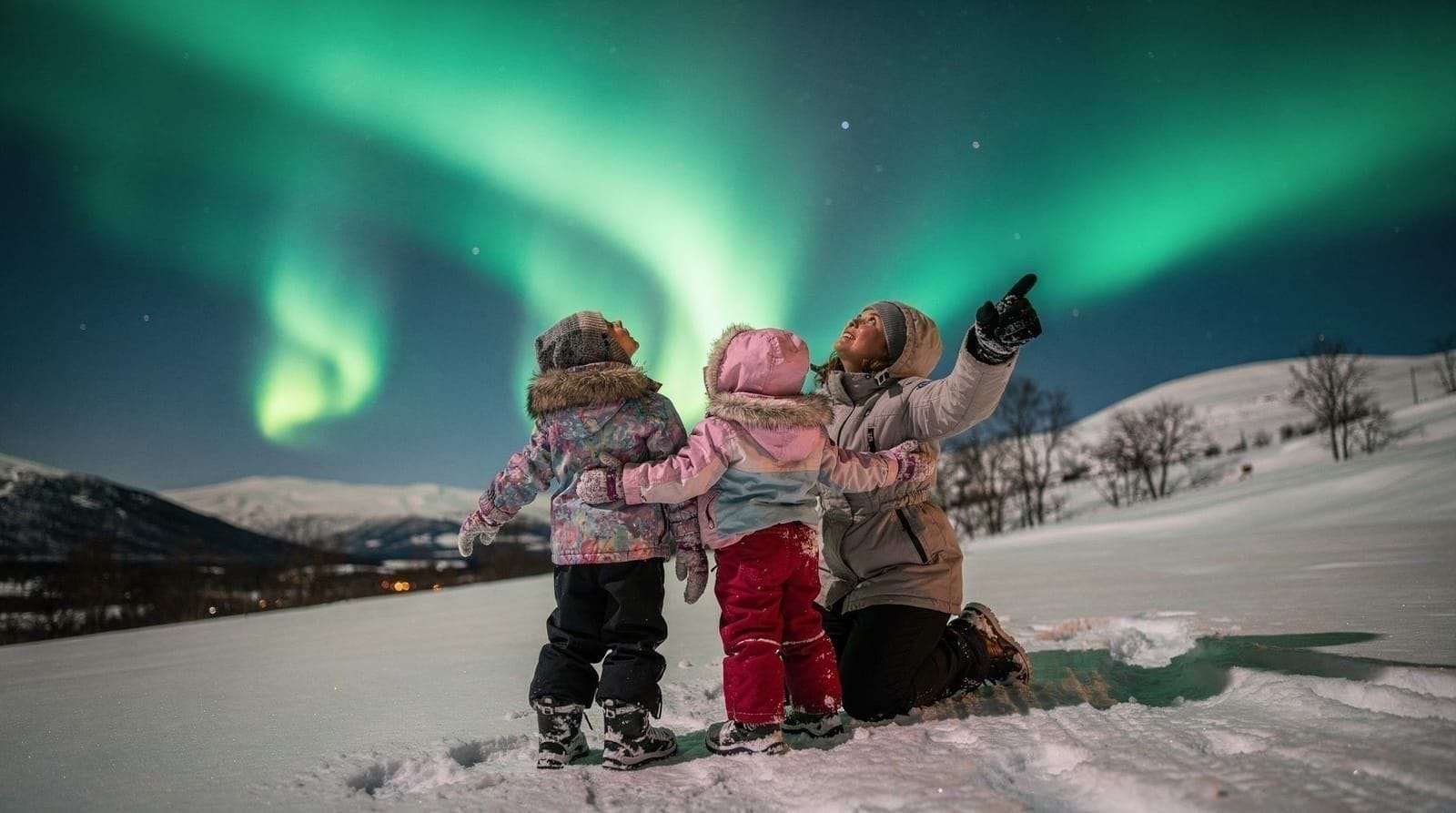
When conditions align — KP 3 or above, clear skies, and a reasonably early appearance — the aurora experience with children is transformative in ways that few other travel experiences can match. The sudden appearance of green and sometimes purple light moving in real time across the sky is visually unlike anything children encounter in daily life. It moves, it pulses, and it changes shape. There is nothing digital or constructed about it.
Children’s responses vary: some become immediately and intensely quiet; others respond with rapid questions; others make sounds rather than words. What consistently happens is that the family stands together looking at the same extraordinary thing and shares a reference point that will come up in conversation for years.
This is why families who do not see the aurora on one trip to Tromsø often return to try again.
If you do not see aurora on your trip
In a 5-day winter trip, most families have 3–4 evenings with meaningful aurora probability. Cloud cover over Tromsø in winter averages 6–7 days out of 10, which means multi-night trips still have statistical aurora probability, but individual nights are not guaranteed.
If your entire trip passes without a sighting, there are two honest assessments:
- The trip still has value — dog sledding, reindeer experiences, Polaria, and the Arctic landscape are independently worthwhile for children.
- The aurora specifically should be attempted again, ideally in a longer trip or in a month with historically higher clear-sky rates (February–March tends to have better cloud conditions than December–January in the Tromsø region).
Read the best time to see northern lights in Tromsø for month-by-month analysis.
The broader family Arctic-night guide
This guide focuses specifically on age; for the fuller picture of managing a night out with children — clothing, timing, and choosing between chase tours and self-guided watching — see the dedicated northern lights with kids guide. The two guides are complementary: this one helps you decide whether and how to include your specific child; that one covers the mechanics of the night itself.
Ice domes snow park and wilderness experience — a strong daytime add-on that keeps the day memorable independent of aurora conditionsFrequently asked questions about aurora and children
Will young children remember seeing the northern lights?
Under 3: no lasting memory forms. Ages 4–5: fragile memories dependent on reinforcement. Ages 6+: more reliably retained, especially with photos and family discussion.
How late do aurora tours run?
Most return 01:00–03:00. Ask for early-departure options (18:30–19:00) if traveling with children under 10.
Should I book a guided tour or watch from the hotel?
Guided tours improve odds significantly. For children under 6 who cannot manage late nights, self-guided watching from nearby with a good forecast is a lower-pressure option.
What do I do if the aurora appears and my child is asleep?
Know your child. Waking them for a strong display is often worth it. Waking them for a brief faint arc at 02:00 usually is not.
What is the best age for a dedicated aurora trip?
Ages 8–12 tend to get the most from it. But any age works if the child is prepared, dressed warmly, and the expectations are managed honestly.
What should I tell children before the trip?
Be honest: the aurora is not a guaranteed show. Frame it as a shared adventure where the waiting and uncertainty are part of the experience, not a flaw in the plan.
Should we plan the whole day around the aurora?
No — pair the evening attempt with a daytime activity that is worthwhile on its own, such as reindeer feeding or dog sledding. See the Tromsø with kids in winter guide for daytime options by age.
Where can I find the more general guide to aurora with kids?
See northern lights with kids for clothing, timing, and tour-format guidance that applies once you’ve decided your child is ready for the experience.
Top experiences
Bookable activities with verified prices and instant confirmation on GetYourGuide.