Lofoten vs. Tromsø: which one should you visit?
Both Lofoten and Tromsø appear on every “Arctic Norway” shortlist. They are different places offering genuinely different experiences, and choosing between them — or deciding whether to do both — is a real planning question with a useful answer.
I have spent significant time in both. Here is the honest comparison.
| Distance apart | ~400km / 5.5–6hrs drive or 1hr flight |
| Best for aurora | Tromsø |
| Best for iconic photography | Lofoten |
| Best for whale watching | Tromsø |
| Do both if | You have 10+ days |
The geography gap matters
Tromsø and Lofoten are 400 km apart as the crow flies; about 5.5–6 hours by car or 1 hour by domestic flight. They are not “the same destination.” Lumping them into a single “Arctic Norway” trip without understanding the logistical distance is the most common planning error.
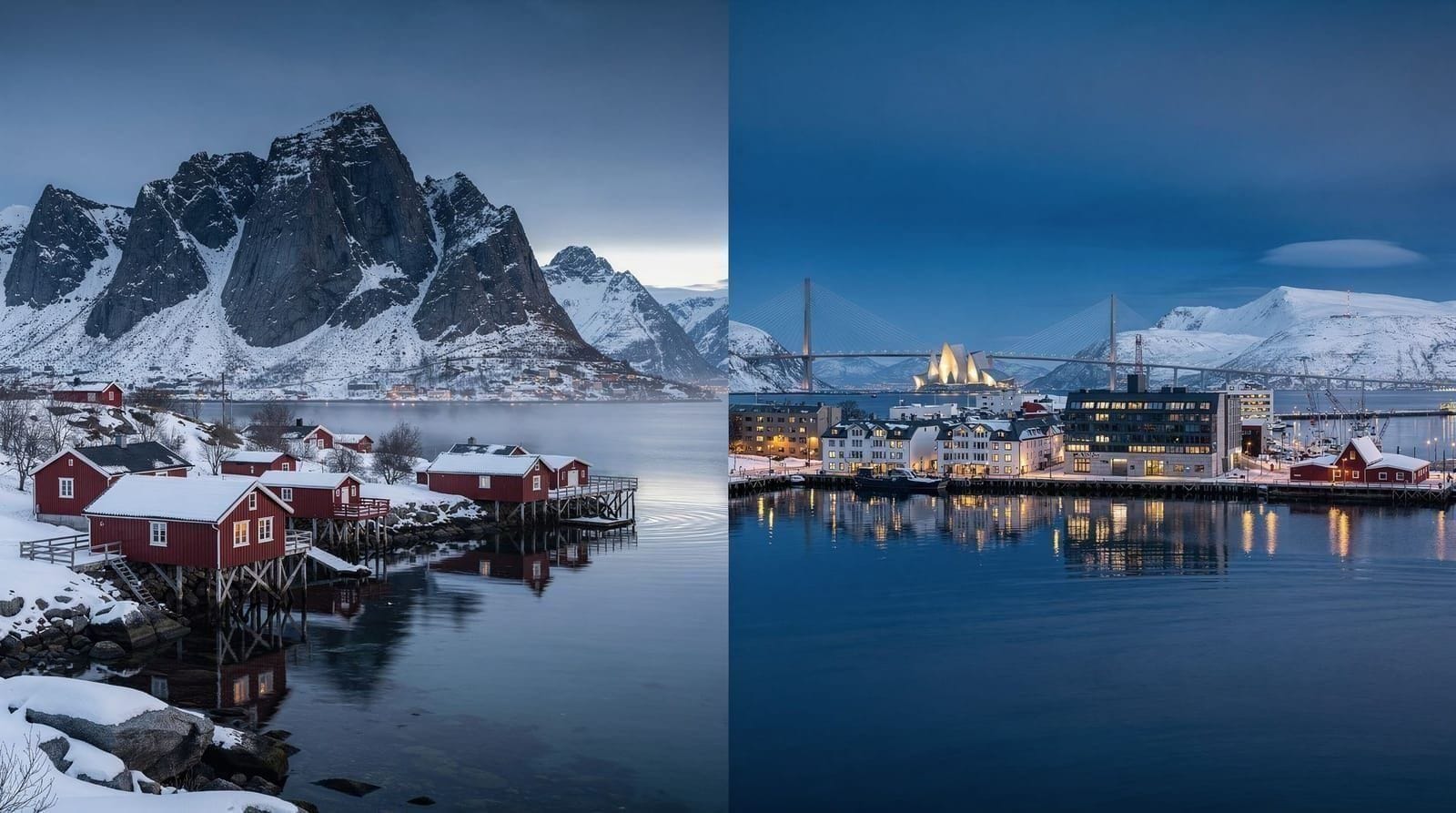
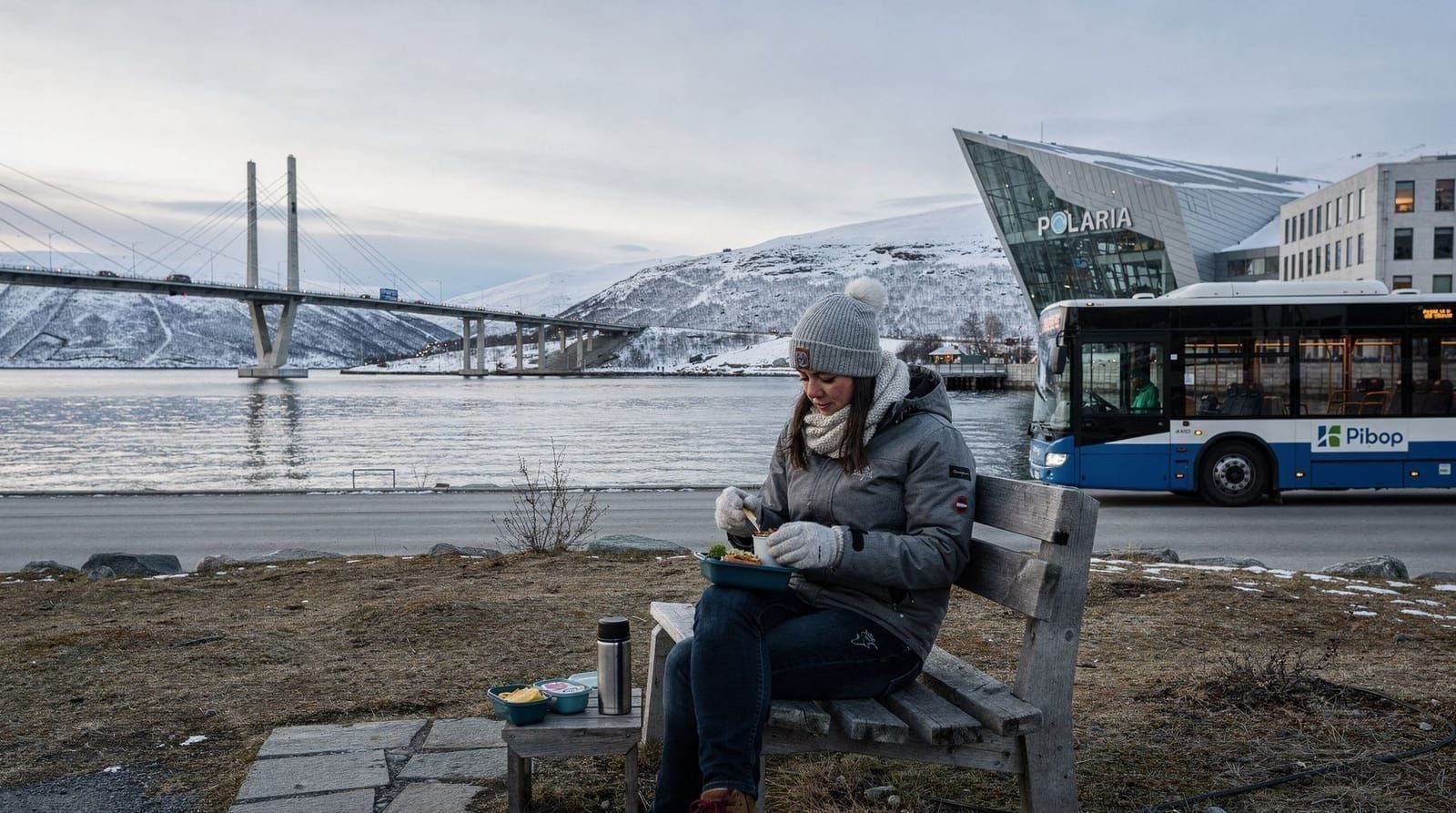
Tromsø is a city of 77,000 people on an island in the Troms Fjord, at 69.6°N — deep inside the Arctic Circle. It has an airport with direct connections from Oslo, London, Frankfurt, and other European hubs.
Lofoten is an archipelago of islands further south (roughly 68°N) and further west, accessible by car ferry from the mainland, by domestic flight to Svolvær or Leknes (small airports), or by the scenic bus and ferry from Tromsø which takes 13+ hours.
If you want to visit both, the most sensible approach is to fly into Tromsø, spend time there, drive or bus south to Lofoten, and fly home from Bodø (the nearest mainland airport to Lofoten) or return to Tromsø.
Aurora: Tromsø wins
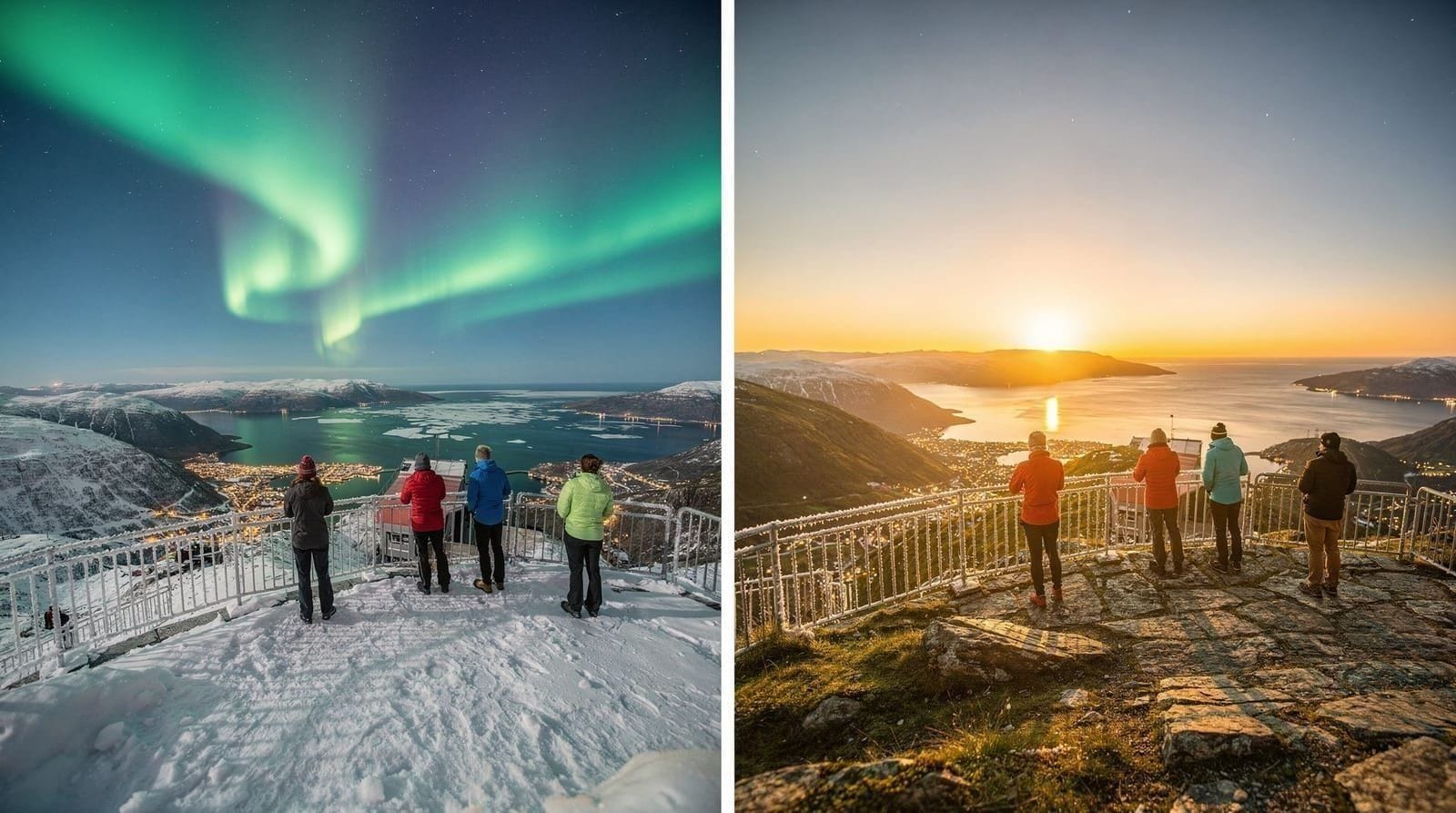
Both destinations are north of the Arctic Circle and can in principle offer aurora viewing. In practice, Tromsø has a significant advantage:
- Infrastructure: Tromsø has dozens of aurora tour operators, forecast monitoring tools, and an established “cloud-chasing” infrastructure (guides who drive you away from cloud cover to clear areas). Lofoten has fewer operators and less sophisticated cloud avoidance.
- Dark sky access: Tromsø is a city, but the surrounding fjord areas and Skjervøy (2.5 hours north) are darker. Lofoten’s fishing villages are picturesque but the ambient light from reflected snow and settlement can be significant.
- Season: Lofoten sees the aurora, but the combination of more northerly latitude, established operator network, and proximity to Skjervøy makes Tromsø the superior aurora base.
If aurora is your primary goal: choose Tromsø.
Scenery: Lofoten wins on specific photography
Lofoten is arguably the most photographed landscape in Norway. The combination of dramatic mountain spires rising directly from the sea, the distinctive red (rorbuer) fishing huts, and the sweeping sandy beaches of Uttakleiv and Flakstad has been reproduced on millions of Instagram accounts.
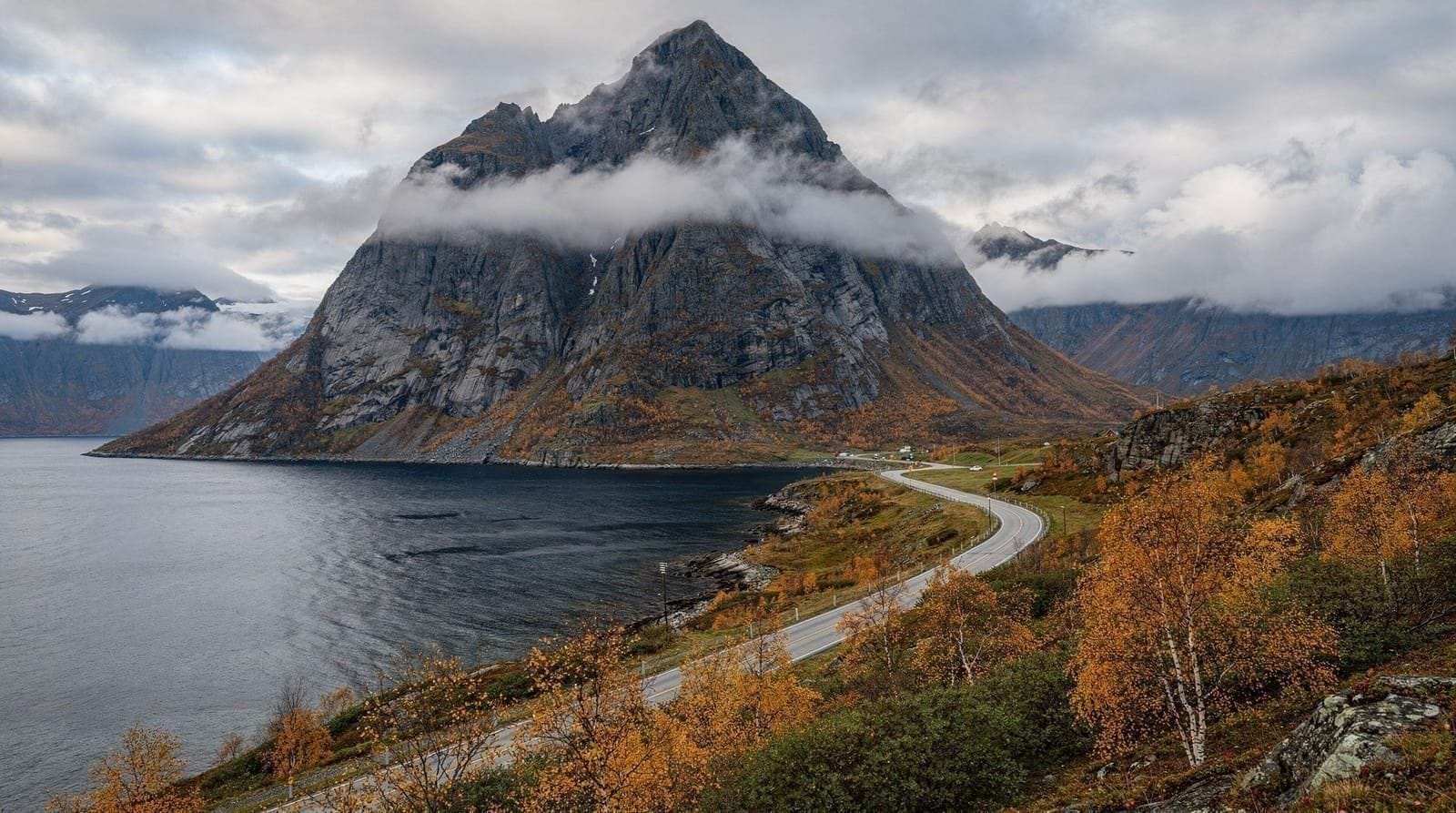
Tromsø has excellent scenery — the Lyngen Alps, Senja, and Sommarøy all offer world-class landscapes. But the iconographic density of Lofoten — the views that are immediately recognisable as “Norway” — is higher. Lofoten has a visual brand that Tromsø lacks.
If landscape photography of specific iconic views is your goal: Lofoten. If you want dramatic scenery across a wider variety of landscapes including fjords, alpine terrain, and island coastlines: Tromsø’s region is comparable or better.
The Tromsø vs. Lofoten comparison guide goes deeper on the photography specifics.
Hiking: more comparable than you’d think
Lofoten has several famous trails — Reinebringen, Ryten, Munkebu hut circuit, Svolværgeita — that are excellent and deservedly popular. The downside: they are crowded from June through early September, with queues at trailheads and worn paths.
Tromsø has the Tromsdalstinden, Fjellheisen and Storsteinen, Lyngen day hikes, and an entire island of Senja hiking routes that see a fraction of the Lofoten visitor numbers.
For quality hiking with fewer crowds: Tromsø’s region. For the specific classic routes on Lofoten (Reinebringen, Svolværgeita): Lofoten directly.
Whale watching: Tromsø easily
Lofoten does not have a significant whale watching industry. The herring and cetacean activity that drives the Tromsø-area whale watching season occurs primarily in the fjords north of Tromsø and around Skjervøy. Lofoten is not a competitive destination for this.
If whale watching is on your list: Tromsø, and specifically the Skjervøy whale watching experience.
Dog sledding and Arctic activities: Tromsø
Tromsø has Camp Tamok, Breivikeidet, and multiple Lyngen-area operators offering husky, reindeer, snowmobile, and ice dome experiences that Lofoten simply does not match in depth or quality. This entire category belongs to Tromsø.
Food: roughly equal, different styles
Lofoten is famous for stockfish (dried cod, particularly the premium skrei) — the islands have been drying cod on wooden racks since the Viking Age. The Lofoten stockfish industry is one of Norway’s most important food exports; eating bacalhau in Portugal or baccalà in Italy means eating Lofoten cod.
Tromsø has king crab, reindeer, Arctic char, and a more developed restaurant scene in the city. The Arctic cuisine guide covers the Tromsø food scene.
Both have excellent fresh seafood by northern European standards. Lofoten’s stockfish history is unique; Tromsø’s variety is broader.
Costs: similar for the destination, different for getting there
Accommodation and food prices in both destinations are comparable — this is Norway, and the baseline is high everywhere. Tromsø hotel rates are perhaps 10–15 percent higher than equivalent Lofoten accommodation in the fishing villages, but the city gives you more restaurant options at a wider price range.
Getting to Lofoten from a non-Norwegian hub typically costs more in time and often money (an extra domestic flight or a long ferry/bus journey). Tromsø is more directly accessible from international airports.
Side-by-side comparison
| Category | Tromsø | Lofoten |
|---|---|---|
| Aurora infrastructure | Extensive, cloud-chasing operators | Limited, fewer operators |
| Iconic photography | Good, less “brand recognisable” | Exceptional, globally iconic |
| Whale watching | Strong, near Skjervøy | Minimal |
| Hiking crowds | Lower | Higher (June–Sept) |
| Dog sledding/reindeer | Extensive | Very limited |
| Access from abroad | Direct international flights | Requires connection or ferry |
| Accommodation cost | Slightly higher | Slightly lower, fewer options |
Whale watching: what it actually looks like in Tromsø
Since Lofoten does not compete here, it is worth knowing what the Tromsø option actually involves. Boats depart from Tromsø harbour or, for the highest concentration of orcas and humpbacks, from Skjervøy further north, reachable via a longer transfer or a dedicated overnight trip. Season runs roughly November through January for the Skjervøy fjords, when herring draw large pods close to shore.
Skjervøy RIB whale and orca watching tourIf budget and time are tight: a third path
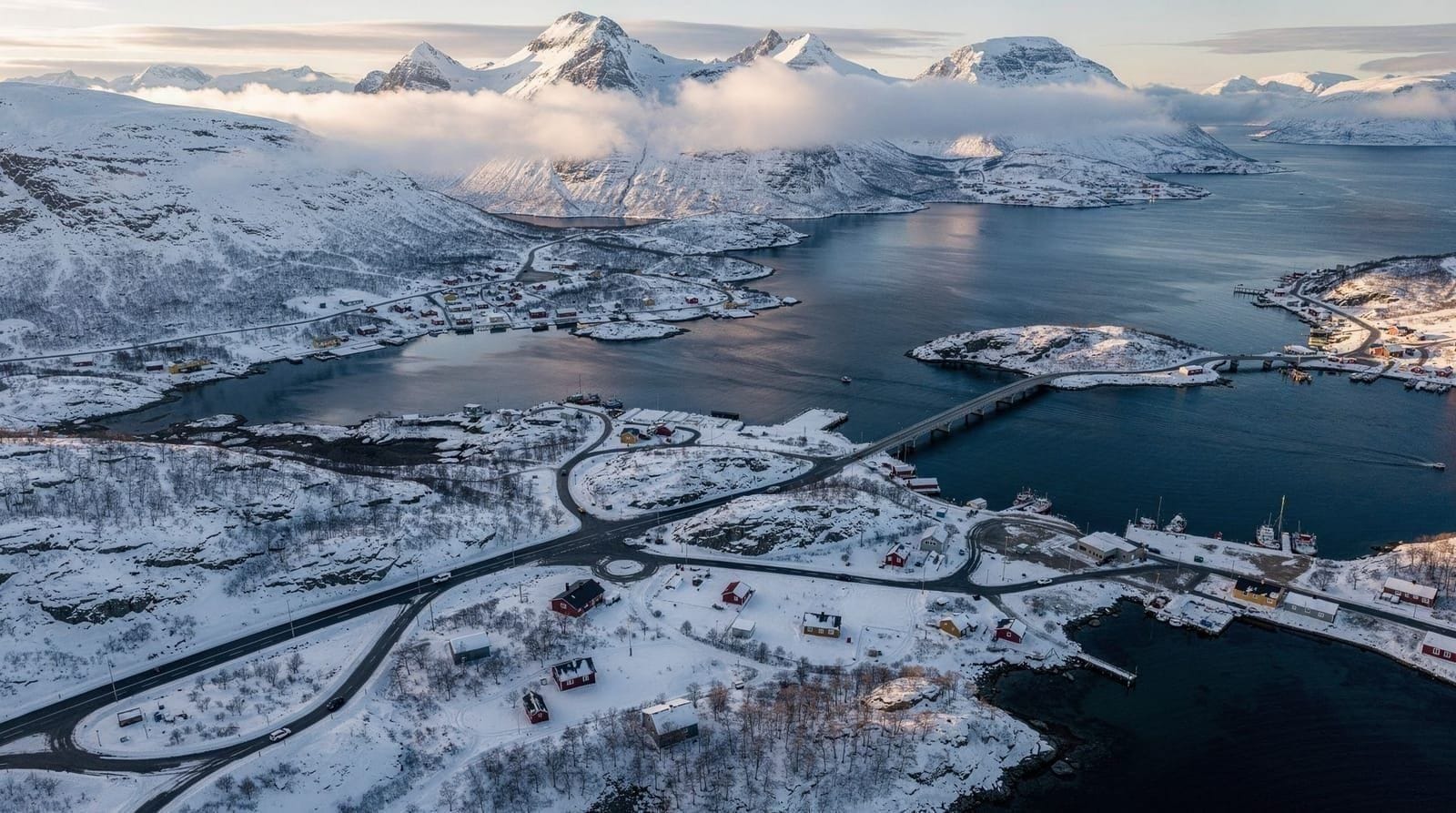
Rather than choosing between Tromsø and Lofoten outright, some visitors do a shortened version of both by basing in Tromsø and using it as a hub for day and multi-day trips to nearer, less-crowded islands. Senja and the Lyngen Alps both offer Lofoten-adjacent scenery — dramatic peaks straight from the sea — within 2–3 hours of Tromsø, without the extra flight or ferry connection Lofoten requires. This is not a substitute for Lofoten’s specific iconic viewpoints, but for travellers with under a week, it captures a similar visual register at a fraction of the logistics.
The how many days in Tromsø guide helps calibrate how much of your trip a Tromsø base can realistically cover before Lofoten becomes worth the extra travel time.
Which should you choose?
Choose Tromsø if:
- Aurora hunting is a primary goal
- You want whale watching
- You want Arctic activities (dog sledding, reindeer, snowmobile)
- You want a real city base with proper restaurants, hotels, and services
- You are visiting December–February
- You want day trip access to Senja, Lyngen, and Sommarøy without driving to Lofoten
Choose Lofoten if:
- Iconic landscape photography is your priority
- You want very specific hikes (Reinebringen, Svolværgeita) and are visiting in a non-crowded month
- Stockfish history and fishing village culture interests you specifically
- You are willing to deal with summer crowds for the visual payoff
Do both if:
- You have 10+ days
- You are comfortable with the 5-6 hour drive or additional domestic flight
- You want the complete Arctic Norway experience
The 7-day Arctic itinerary builds in a Lofoten component from a Tromsø base for those with time and flexibility.
A third option nobody mentions enough
If you want Lofoten’s dramatic island scenery without the crowds: consider Senja instead. Two hours from Tromsø, genuinely comparable landscapes, fraction of the visitors. The Senja road trip diary covers this in detail.
Frequently asked questions about Lofoten vs. Tromsø
Can I visit both on a one-week trip?
Possible but rushed. A realistic one-week itinerary that includes both requires at least one domestic flight (Tromsø to Bodø or Leknes) and leaves 3–4 days in each location. The 7-day Arctic itinerary provides a template.
Is Lofoten better in summer or winter?
Summer for hiking, photography, and midnight sun. Winter for (occasional) aurora, snow scenery, and the quieter off-season atmosphere — but significantly fewer open restaurants and services.
Which is less crowded?
Lofoten is considerably more crowded than Tromsø in summer, particularly July–August, when the iconic spots (Reine, Hamnøy, Nusfjord) can feel genuinely overwhelmed. Tromsø in summer is busier than winter but never approaches Lofoten’s summer density.
Do I need a car for either destination?
For Tromsø: not essential for the city itself; necessary for day trips to Senja, Lyngen, and Sommarøy. For Lofoten: a car is strongly recommended — public transport between villages is limited and slow. The car rental guide covers Tromsø car hire logistics.
Is it worth flying between Tromsø and Lofoten instead of driving?
Yes, if time matters more than budget. The domestic flight (Tromsø–Bodø or Tromsø–Leknes/Svolvær with a connection) takes roughly 1–1.5 hours versus 5.5–6 hours of driving. For a trip under 10 days, the flight time saved is usually worth the extra cost, freeing up a full extra day at each destination.