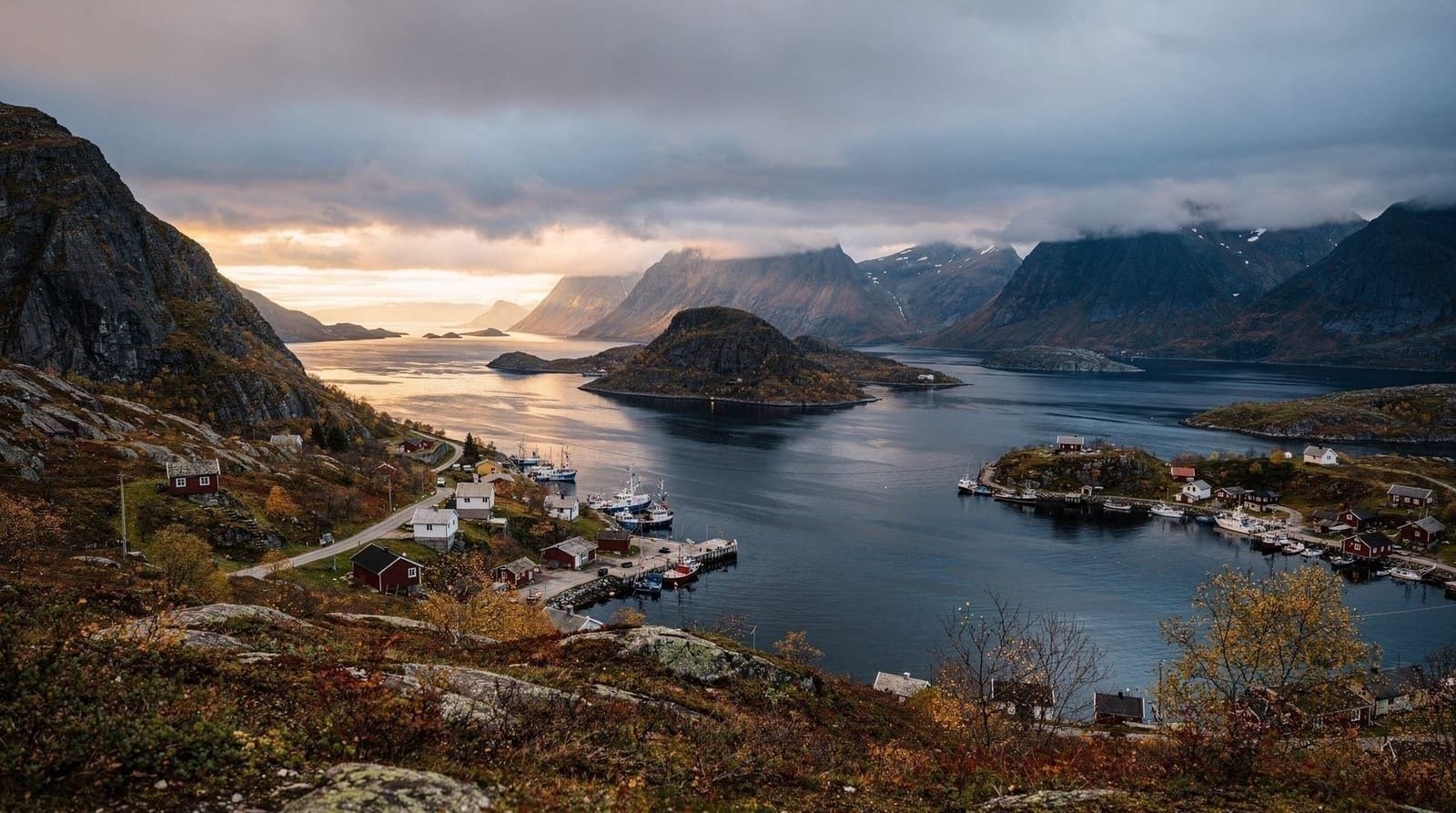
Silent electric fjord cruise near Tromsø — honest review 2026
Tromsø: Arctic Fjord Cruise with Stop on Land at Fish Racks
Marketing copy for Tromsø fjord cruises throws around “silent,” “electric,” and “hybrid” fairly loosely, and the actual on-water experience varies more than the listings suggest. This review sorts genuine electric operation from marketing language, compares the main cruise formats by duration and price, and covers what to actually expect onboard in each season.
| Where | Departs Prostneset quay, central Tromsø |
| Cost | around 700–2,800 NOK depending on format |
| Time needed | 1.5–5 hours |
| Best time | Year-round; aurora dinner cruises Sep–Mar |
| Booking | 2–3 days ahead; dinner formats 1–2 weeks in peak season |
Why silent cruises are worth understanding before you book
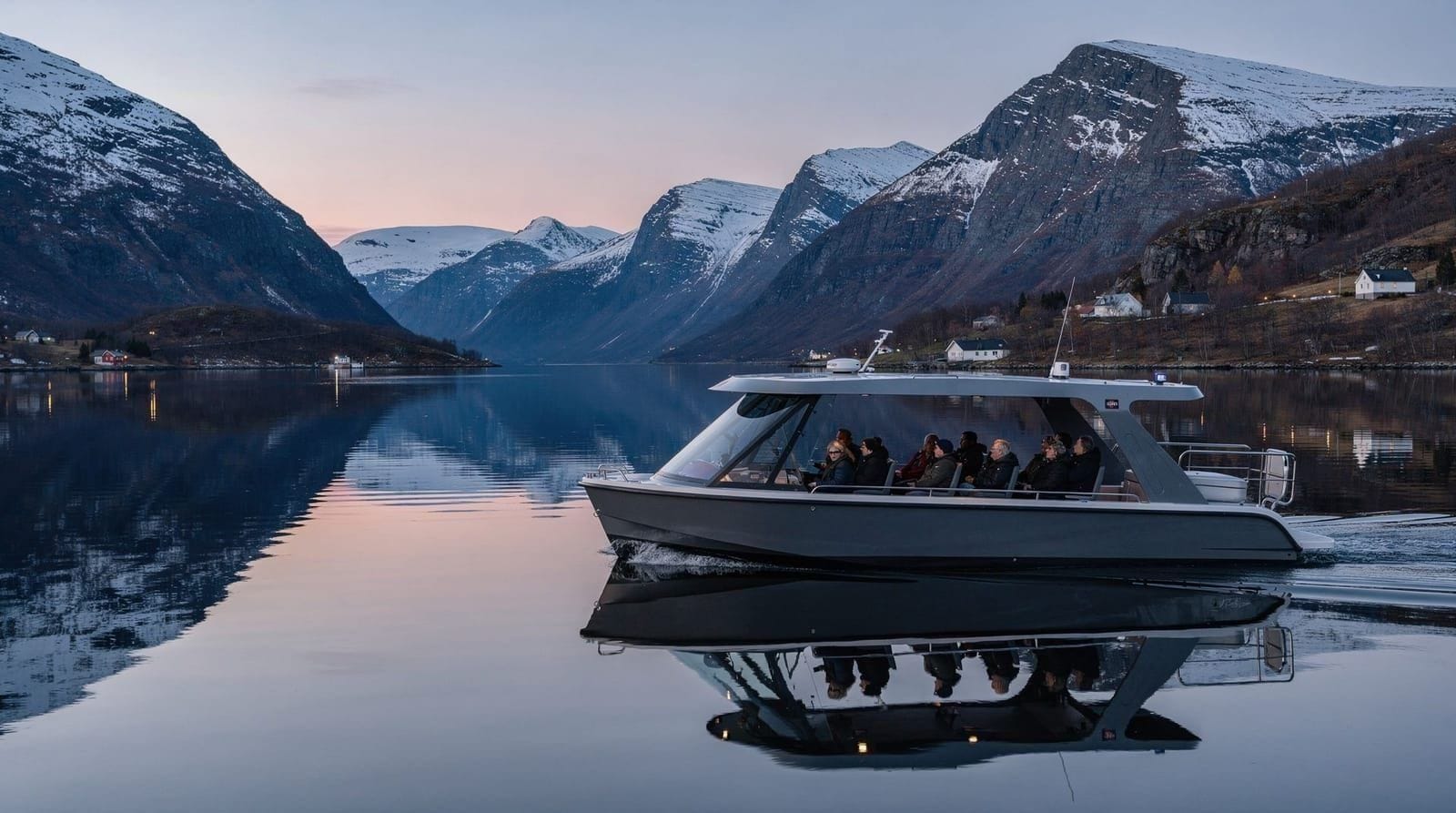
Most Tromsø fjord cruise listings use terms like “hybrid-electric,” “electric catamaran,” and “silent cruise” interchangeably — but the actual technology varies considerably. A true zero-emission electric vessel runs on battery alone. A hybrid vessel uses electric motors at low speed but switches to diesel at cruising speed. A boat marketed as “eco-friendly” may simply have a newer diesel engine.
The practical difference for passengers: genuine electric operation means near-total silence on the water — you hear wind, water against the hull, and birdcall, nothing else. This changes the character of the cruise meaningfully. Hybrid boats are quieter than conventional motor vessels but not silent. Knowing which you’re boarding helps set expectations.
The silent electric fjord cruise guide covers the technical background in more detail.
The fjord landscape around Tromsø
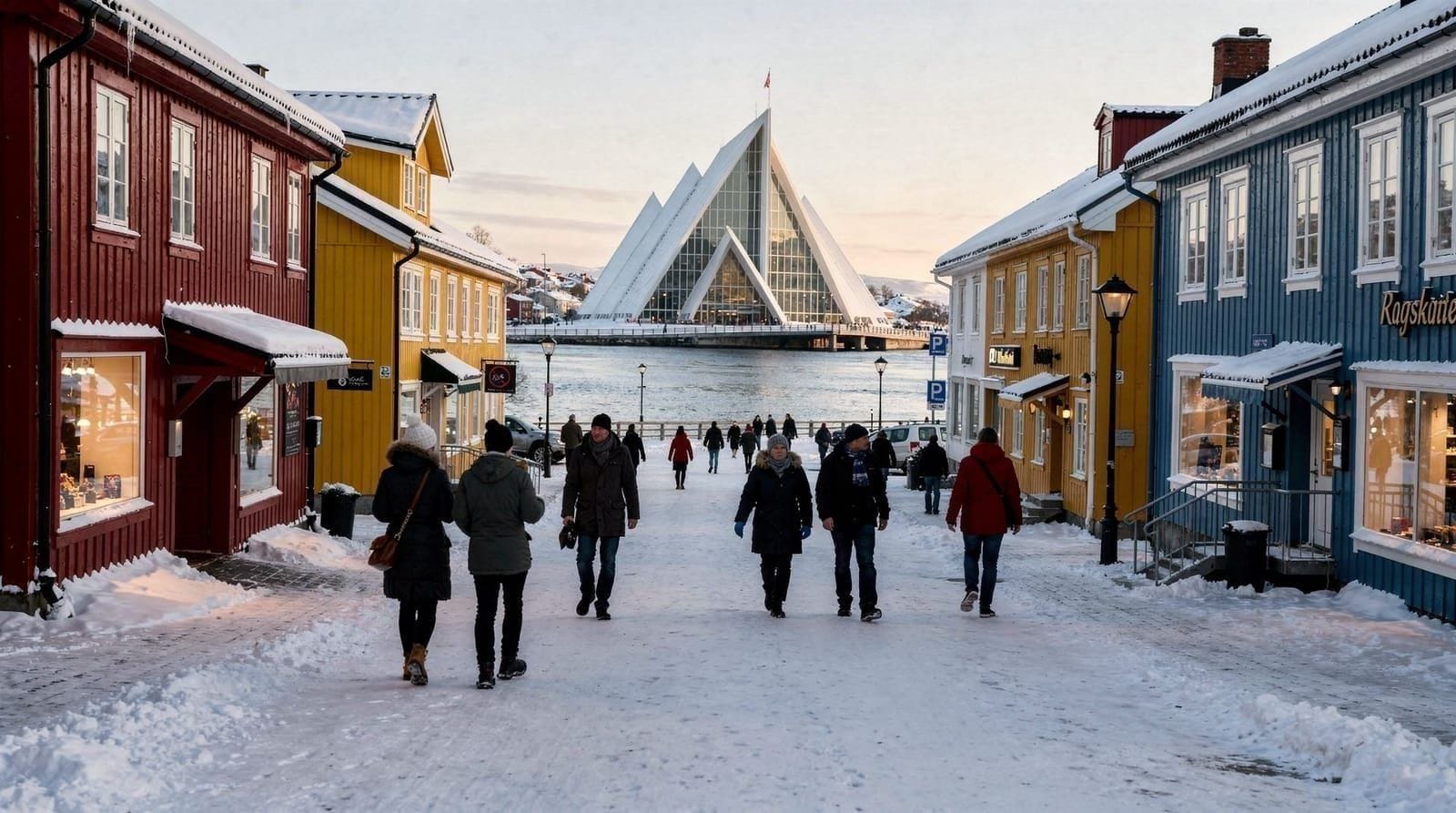
Tromsø sits on an island (Tromsøya) in the Tromsøfjord, with the Ringvassøya and Kvaløya islands to the west and the mainland fjord systems (including Balsfjord, Malangen, and Ullsfjord) extending south and east. A short fjord cruise stays within the protected waters between these islands — calm, scenic, and accessible year-round.
A longer cruise heads west toward Kvaløya, past the island communities and into the open ocean-facing shore where sea eagles nest and seals rest on rocks. The outer edges of Kvaløya are more exposed and more dramatically wild.
The classic scenic stop on many cruises is the fish rack area — traditional wooden structures covered in drying stockfish (dried cod), a sight unique to the Norwegian Arctic coast. The smell is distinctive. The visual is striking in morning light.
Arctic fjord cruise with electric catamaran and fish racks stopCruise formats compared
2-hour inner fjord (snacks and drinks included) The shortest practical cruise format. Covers the immediate Tromsøfjord, passes under the bridge connecting Tromsøya to the mainland, and returns. Good for visitors who want fjord scenery without committing a half-day. Price range: 700–1,100 NOK. Usually offered multiple times daily.
3-hour sightseeing cruise Reaches further into the fjord system, often including Kvaløya coastline or the outer islands. Enough time to see eagles and seals if they’re active. Usually includes hot drinks. Price: 1,100–1,600 NOK. The sweet spot for most day visitors.
Luxury catamaran cruise (dinner/meal included) Longer duration (3–5 hours), a proper dining experience onboard, and typically better quality of commentary and service. Price: 1,800–2,800 NOK. Worth it for evenings when you want dinner with a view rather than a restaurant meal.
Aurora dinner cruise Runs in the dark (19:00–23:00 typically), with dinner onboard and aurora viewing from the deck. The aurora viewing position on water is excellent — 360-degree horizon, no light pollution. The boat cannot chase cloud gaps, so success depends on forecasted conditions. Price: 1,800–2,500 NOK.
| Format | Duration | Includes | NOK |
|---|---|---|---|
| Inner fjord short | 1.5–2.5h | Snacks, drinks | 700–1,100 |
| Sightseeing | 3h | Hot drinks | 1,100–1,600 |
| Luxury catamaran | 3–5h | Meal | 1,800–2,800 |
| Aurora dinner | 3–4h (evening) | Dinner | 1,800–2,500 |
Fjord cruise or dedicated winter option?
For midwinter visitors specifically, some operators run a polar fjord cruise winter format tuned for the darkest months — shorter daylight windows mean the route and commentary emphasize the blue-twilight light quality rather than long-distance views. It’s worth checking whether your chosen departure is this winter-specific product or the standard year-round route before booking, since the pacing differs.
Aurora from the water versus aurora from a cruise-specific tour
An aurora dinner cruise is a genuinely different aurora product from a dedicated chase tour — the boat is fixed to its route and can’t relocate for a cloud gap the way a minibus can, but the open water horizon and total absence of land-based light pollution make it one of the better passive viewing positions in the area. The northern lights from a cruise guide explains the trade-off in more detail if you’re deciding between the two formats for a single evening.
What to expect onboard
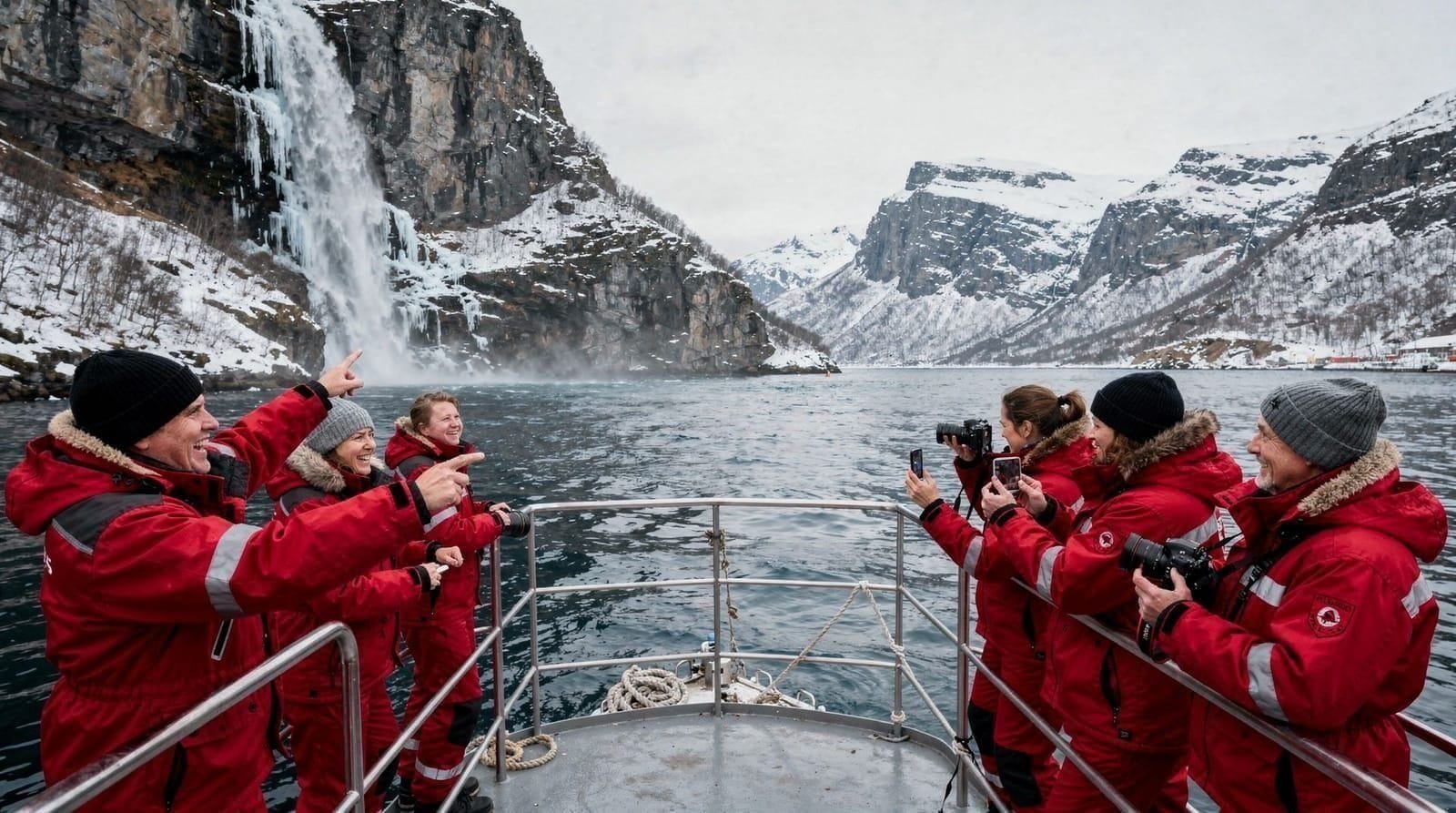
Modern Tromsø cruise vessels — particularly the electric and hybrid catamarans — have heated interior salons with large windows. In winter, you spend roughly 60% of the cruise inside and 40% on deck for viewpoints, bird sightings, and the dramatic moments (entering a narrow channel, passing close to a rock face). Outdoor time in -5°C to -10°C requires proper layering even for short intervals.
Standard commentary is in English and Norwegian. Ask the operator whether commentary is live (a guide who can answer questions) or recorded. Live guides are worth the premium.
Most onboard catering on Tromsø cruises features local products: smoked salmon, reindeer pastries, Norwegian cheese, and locally-sourced hot drinks. This is genuine — not airport-lounge food. The quality gap between a budget cruise snack and a luxury catamaran dinner is real but both are better than the European average.
Best seasons for fjord cruises
Winter (November–March): Polar twilight and aurora season. The blue light at midday during the polar night period (27 November–15 January) creates surreal, photogenic conditions. Eagles active. Cold but spectacular.
Spring (April–May): Snow still on mountains, clearer skies statistically, longer days. Often underrated as a cruise season.
Summer (June–August): Midnight sun cruises run overnight. The landscape is green, seabird colonies active, seals with pups. Very different atmosphere from winter.
Autumn (September–October): Aurora season begins, autumn colors on birch trees before snow. Underrated for photography.
For a full seasonal guide, see the best time to visit Tromsø page.
Wildlife you might actually see
Sightings are never guaranteed on a scenic cruise, but sea eagles are seen fairly reliably along the Kvaløya coastline, and seals haul out on skerries in several sheltered channels. Orcas and humpback whales are a different matter — they follow herring migrations and are seasonal and location-specific rather than a fjord-cruise incidental. If a genuine whale sighting matters to you, book a dedicated whale watching tour rather than relying on a scenic cruise; the orca versus humpback guide explains which species you’re likely to see and when.
Frequently asked questions about silent electric fjord cruises
How far is the cruise departure point from Tromsø city center?
Most cruises depart from the Tromsø city harbor (Prostneset quay), which is walkable from almost every city center hotel — roughly 5–15 minutes on foot. A few operators depart from Breivika (2 km north). Check your specific boarding point when booking.
Is the fjord cruise better in winter or summer?
They are genuinely different experiences. Winter offers dramatic polar scenery and aurora possibility. Summer offers midnight sun and more wildlife activity (seabirds nesting, seal pups). Most visitors prefer whichever season they’re in once they’re actually on the water.
Can I bring young children on a fjord cruise?
Yes — fjord cruises are among the most family-friendly winter activities in Tromsø because the heated interior means children can warm up easily. Most short cruises are suitable from age 2 upward. The Tromsø with kids guide covers this and other family considerations.
Is the electric catamaran faster or slower than regular motor boats?
Slower. Electric vessels typically cruise at 8–12 knots vs 20–30 for conventional motor vessels. This means longer transit times to reach the outer fjords, which operators factor into their route planning. The trade-off — silence, wildlife responsiveness — is generally considered worthwhile by passengers.
Do cruises run in rough weather?
Most operators cancel or modify routes in conditions that would make the experience unsafe or very uncomfortable (storm-force winds, heavy sea state). Inner-fjord routes are rarely cancelled due to weather — the sheltered waters remain navigable. Outer-island routes can be modified. Check cancellation policy at booking.
What is the difference between a fjord cruise and a whale watching boat?
A fjord cruise is a scenic sightseeing experience that may incidentally encounter wildlife. A whale watching tour is specifically optimized for finding cetaceans — it uses faster vessels, has naturalist guides, and travels to specific feeding areas (like Skjervøy). If whale watching is your primary goal, book a dedicated whale watching tour.
Can I book a fjord cruise on the day without advance planning?
Short inner-fjord cruises (1.5–2h) often have walk-up availability on weekdays, particularly in the shoulder months of April–May and September–October. In July and during good-forecast aurora nights in winter, book at least 2–3 days in advance. Luxury catamaran formats and dinner cruises should be booked 1–2 weeks ahead in peak periods to avoid sellout.
Practical booking notes for silent electric fjord cruises
Most booking platforms list cruise departure times in local Norwegian time (CET/CEST). Note that Norway observes daylight saving — UTC+1 in winter, UTC+2 in summer — so if you’re planning from a different time zone, double-check the local hour.
Online booking typically offers a small discount (5–10%) versus walk-up prices at the quay. Cancellation policies vary: most operators allow free cancellation 24–48 hours before departure. Same-day cancellations for weather are typically refunded automatically when the operator cancels; passenger cancellations on the day usually forfeit the ticket.
The main Tromsø departure quay at Prostneset (the city harbor) is easily found — it is the waterfront area immediately behind the main city bus terminal, a short walk from the city centre. A few smaller operators depart from the Breivika area (2 km north of center). Your booking confirmation will specify the boarding point and any meeting-point instructions.
What separates a good fjord cruise operator from a mediocre one
Tromsø has numerous operators running broadly similar-looking fjord cruises. The practical differences that matter:
Vessel age and condition. Older diesel vessels that haven’t been upgraded are noisier, smell of fuel, and have cramped interior spaces. Hybrid-electric vessels built after 2018 are meaningfully better: quieter, better-heated salons, and more open deck layouts. Ask about the vessel name when booking and check whether it appears in operator websites with photographs — this avoids unwanted surprises.
Guide quality versus recorded commentary. A live guide who can answer “is that an eagle?” in real time is worth substantially more than a recorded audio commentary on a set route. Most operators use live guides, but some budget formats use audio. If this matters to you, confirm before booking.
Catering sourcing. The best Tromsø cruise operators use local producers for their onboard food: locally-smoked salmon, bread from Tromsø bakeries, cheese from Troms county. Generic supermarket items served in a hotel-lounge format are a step down. It is reasonable to ask what the food offering consists of when booking.
After-tour debrief. Small operators who run naturalist-led cruises sometimes offer a brief overview of what was observed — bird species, locations, any unusual sightings. This is a nice touch and signals that the operation genuinely values the wildlife component.
For a comparison of the Tromsø fjord cruise with the whale watching alternative, see the fjord cruises guide. For dedicated wildlife-focused sailings, see the whale watching season guide.